 Chandra Wijayanto
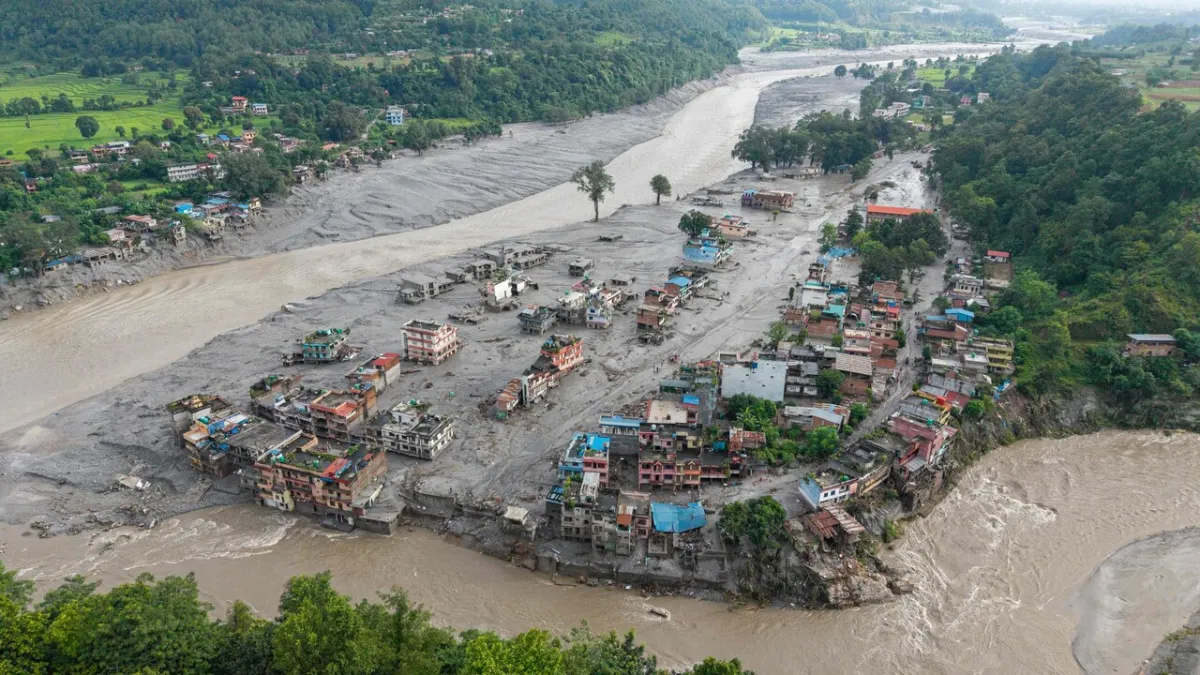
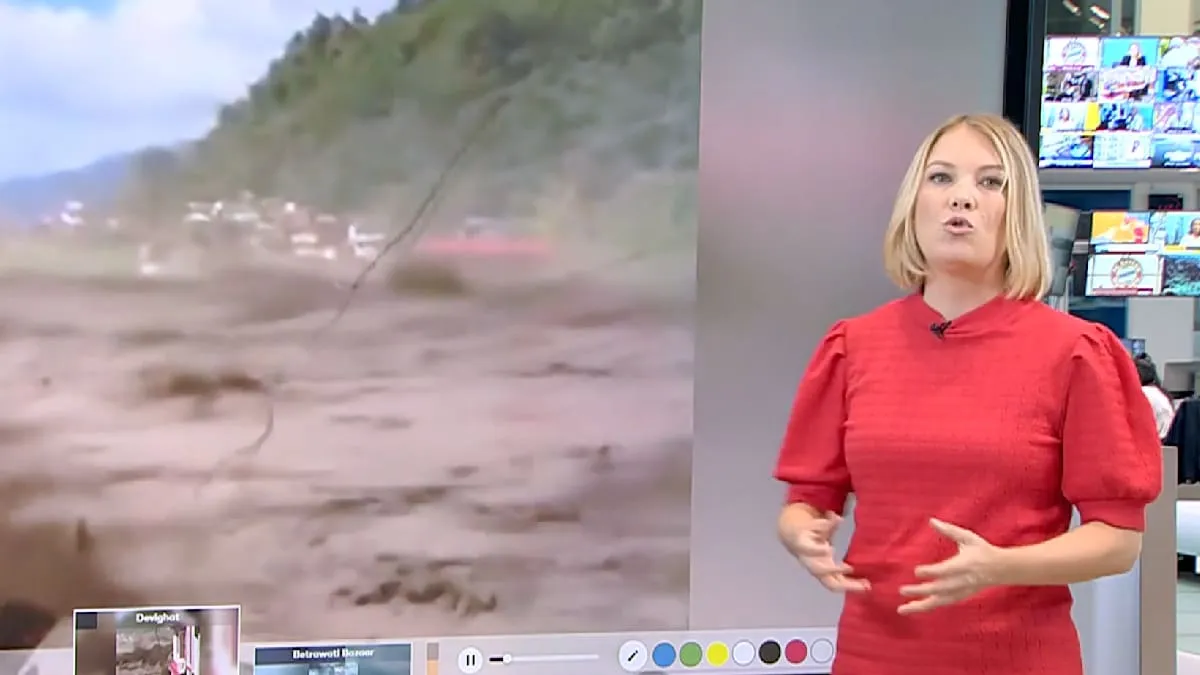
KATHMANDU – Nepalese authorities have announced the disappearance of 517 foreign tourists following a devastating flash flood that swept through the border region with Tibet. This tragic event has not only sparked global concern but also ignited diplomatic tension regarding the accuracy of casualty data between the Kathmandu government and Beijing. The United States has responded by allocating 500,000 USD in emergency aid to support humanitarian efforts in the affected areas.
This natural disaster, occurring during the monsoon season, has caused severe infrastructure damage and isolated several areas. The majestic Himalayan region, renowned for its beauty, now witnesses massive search operations. This flash flood is believed to be the result of a glacial lake outburst, a phenomenon increasingly frequent amidst climate change.
Rudra Bhattarai, spokesperson for Nepal's Ministry of Home Affairs, stated, We have lost contact with hundreds of foreign nationals who were trekking or touring in the Langtang region and its surroundings. The number 517 is based on initial reports from local guides and travel agencies. This statement underscores the scale of the ongoing humanitarian crisis.
However, these figures immediately became a subject of debate. Chinese authorities, through diplomatic channels, claimed that the number of affected foreign nationals on the Tibetan side was significantly lower, and most had already been evacuated. There is a significant difference in the reported figures, and we are coordinating to verify every detail, said a Chinese embassy official in Kathmandu, without providing specific numbers.
This data discrepancy hinders cross-border rescue coordination. Search and rescue operations face immense challenges. The extreme terrain, coupled with adverse weather and severed communication lines, makes it difficult for SAR teams to reach remote locations. Helicopters remain the only vital means to access the most affected areas.
The United States, through its International Development Agency (USAID), promptly allocated $500,000 in emergency funds. This aid will be used to provide temporary shelter, food, clean water, and medical assistance to thousands of local residents and some tourists who have been successfully evacuated. We stand with the people of Nepal during this difficult time, stated the U.S. Ambassador to Nepal.
The floods have exacerbated the plight of thousands of local residents who have lost their homes and livelihoods. Farmers lost their land, while local traders lost market access due to destroyed roads. Communities dependent on tourism have also been severely impacted by this devastating disaster.
History shows that the Himalayan region is vulnerable to hydrometeorological disasters, but their intensity and frequency have significantly increased in recent decades. This phenomenon is often linked to the impacts of global climate change, which accelerates glacier melt and triggers extreme rainfall.
The Government of Nepal urges the international community not only to provide emergency aid but also to support long-term efforts in disaster mitigation and climate change adaptation. They also call on China to open more transparent data communication for the effectiveness of joint SAR operations.
The situation on the Nepal-Tibet border remains highly uncertain. Families of missing tourists from various countries continue to await news, while search efforts persist amidst unresolved uncertainty and data tension.
Editorial Insight:
The flood crisis at the Nepal-Tibet border reveals more than just a natural disaster; it reflects complex geographical, diplomatic, and humanitarian challenges. The data discrepancy between Kathmandu and Beijing not only hampers emergency response but also highlights fragile coordination in a strategic region. While US aid is vital, long-term solutions demand transparency, strong regional collaboration, and integrated climate adaptation strategies to protect one of the world's most challenging ecosystems and tourist destinations.