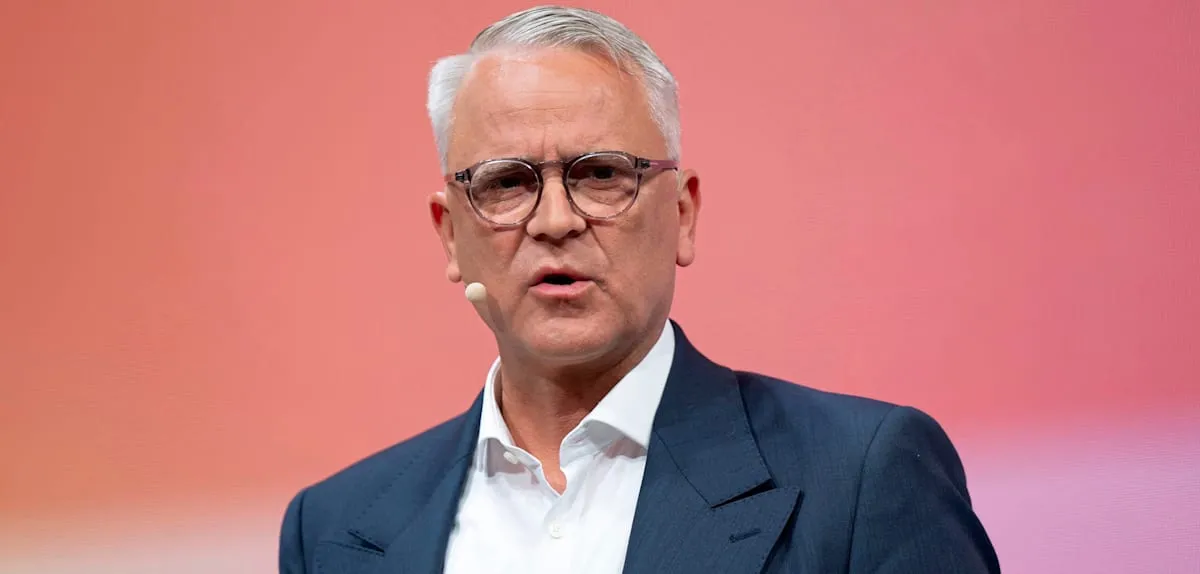
BERLIN – The German automotive industry, long a pillar of the European economy and a global benchmark for innovation, is now facing a worrying new reality. Philipp von Hirschheydt, Head of Aumovio, a leading automotive supplier, warns that the sector is under immense cost pressure, demanding drastic measures to prevent further decline for Europe by 2026.
Von Hirschheydt emphatically stated that Germany no longer sets the tone in the global automotive industry. This statement delivers a sharp critique for a nation synonymous with automotive innovation, quality, and performance for centuries.
This cost pressure stems from various factors, ranging from rising raw material prices and fluctuating energy costs to the massive investment demands for the transition to electric vehicles and autonomous technologies. Global competition, particularly from aggressive Asian manufacturers and the growing US market, further exacerbates the situation.
In his view, urgent solutions are needed to stem this wave of pressure. Von Hirschheydt specifically highlighted the necessity of lower labor costs as one of the keys to restoring the competitiveness of German manufacturers on the international stage.
Furthermore, he advocates a simpler vehicle design approach. The philosophy of simpler cars is expected to cut production complexity and costs, which often balloon due to excessive features that may not be relevant to all market segments.
The demand for simpler cars also reflects the increasingly complex global supply chains, as seen in the semiconductor chip scandal some time ago. This issue not only hampered production but also increased the cost of crucial components.
Failure to adapt, according to Von Hirschheydt, has the potential to trigger a further decline of Europe in the global economic and industrial power map. This is not just an issue for Germany but for the entire automotive and manufacturing ecosystem on the continent.
The German economy, heavily reliant on the automotive sector, will feel the direct impact if this industry continues to erode. Thousands of jobs, research and development investments, and a reputation for high technology will be at stake.
These statements from the Head of Aumovio come amid a rapid shift in the global automotive landscape, driven by disruptive innovation and changing consumer preferences. German manufacturers are now challenged to find a balance between maintaining legendary quality standards and the need for cost efficiency and speed of adaptation.
This cost crisis is not just about company profits; it is about Germany and Europe's strategic position in the future. Without bold structural reforms, the dominance once enjoyed could become a mere memory. This challenge represents a severe test for policymakers and industry players to collaborate in finding sustainable solutions for 2026 and beyond.
Editorial Insight: Philipp von Hirschheydt's stark warning underscores a crucial turning point for the German and European automotive industry. The transition to electric vehicles and digitalization necessitates massive investments that clash with ever-increasing production cost pressures. Without a comprehensive strategy involving labor cost reform, product simplification, and supply chain adaptation, Europe's dominance in the automotive sector could permanently shift to other regions. This is not merely a business issue; it is a geopolitical economic gamble that will determine the continent's competitiveness in the coming decades.