 Debby Wijaya
WASHINGTON – The United States has threatened to cease its intelligence sharing cooperation with Kyiv. This threat emerges following strong criticism from Ukrainian President Volodymyr Zelensky regarding Washington's decision to lift sanctions on Russian diesel exports. The incident unfolds amid the Kremlin's efforts to project a compromising stance on de-escalation and a deadly Russian attack in Zaporizhzhia, which Zelensky interprets as thanks from President Vladimir Putin. These events have sparked significant diplomatic tension in early 2026.
Bilateral relations between the United States and Ukraine, which have been a crucial pivot in Eastern European geopolitical dynamics, are now facing a severe test. Zelensky's vocal stance against Washington's foreign policy under President Donald Trump indicates deep friction.
The primary trigger for this tension is the decision by President Donald Trump's administration to revoke several economic sanctions previously imposed on Russia's energy sector, particularly regarding diesel supplies. This decision has rattled Kyiv and raised serious concerns among European allies.
President Zelensky, in a nationally televised address, openly expressed his disappointment. He argued that lifting these sanctions would only strengthen Russia's financial capacity to continue its aggression in Ukraine.
Decisions like this, while we are still fighting for our sovereignty, send the wrong signal, Zelensky stated. This not only weakens our position but also erodes trust in international solidarity.
Diplomatic sources in Washington, who requested anonymity, revealed that the threat of halting intelligence sharing is a direct response to what they deem as disproportionate and unhelpful criticism from Ukraine. They asserted that US policy is based on broader strategic calculations.
Intelligence sharing forms the backbone of Ukraine's defense against Russian invasion. A cessation of this cooperation could have serious consequences for Kyiv's ability to plan military operations and defend its territory.
Meanwhile, in Moscow, the Kremlin issued a somewhat surprising statement. A spokesperson for President Putin indicated that the Russian leader understands some of the United States' proposals regarding de-escalation efforts. This statement came just hours after the US threat to Kyiv became public.
The Kremlin's comments have fueled speculation about secret diplomatic overtures or merely a political maneuver to create further division between Washington and Kyiv. The unexpected alliance between Trump and Putin on the diesel deal has been a global spotlight in 2026.
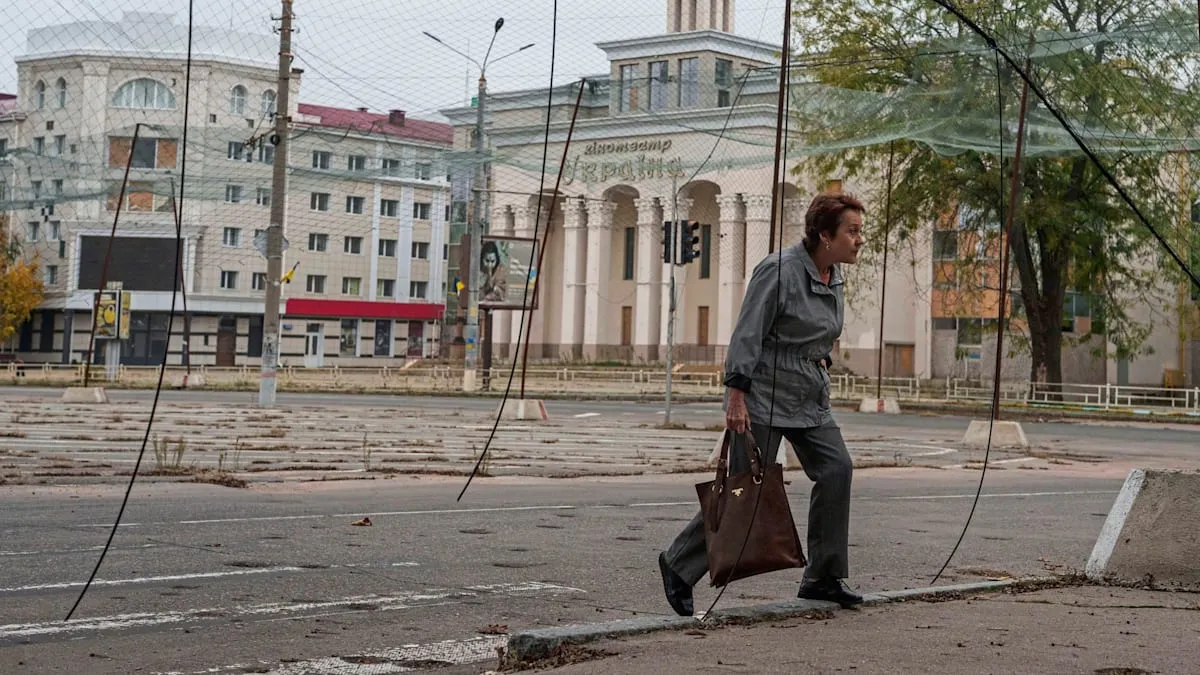
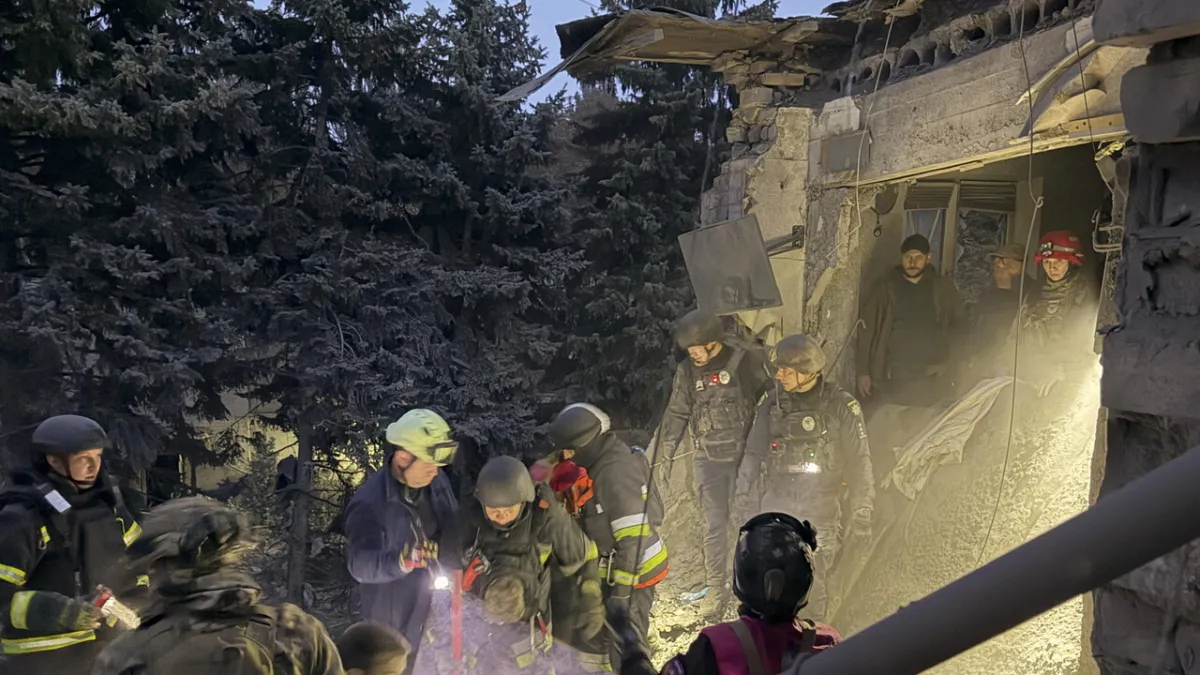
The situation is further complicated by the bombing incident in Zaporizhzhia, a city that has repeatedly been a target of attacks. Recent attacks in Zaporizhzhia claimed the lives of eight people, including children, adding layers of sorrow and anger.
President Zelensky directly linked these attacks to US policy. He declared, The attack on Zaporizhzhia is Putin's 'thanks' for every concession made to him. This statement underscores Ukraine's perception that any leniency towards Russia will be interpreted as a green light for further aggression.
This diplomatic crisis has the potential to damage cohesion among Western nations in confronting Russian aggression. It could also affect the stalled peace negotiations and the prospects for regional stability in Eastern Europe.
This condition highlights the complexity of international relations, where national interests can sometimes clash with principles of solidarity. The continuity of US intelligence support is crucial for Ukraine, making this threat a serious escalatory step.
The international community now awaits the next moves from the three main parties – the United States, Ukraine, and Russia – to see if a diplomatic resolution can be found for this deepening stalemate, or if the conflict will enter a more unpredictable phase in 2026.
Editorial Insight:
This conflict illuminates a fundamental dilemma in geopolitical alliances. Washington's decision to lift Russian diesel sanctions, while possibly based on economic or domestic political considerations, inevitably creates discomfort for Kyiv. The threat of intelligence cessation is not mere rhetoric; it is a significant pressure tool that could alter battlefield dynamics. The Kremlin's response, expressing understanding for US de-eskalation proposals, might be a cunning attempt to widen the wedge between the US and Ukraine. Moving forward, this could trigger a shift in Ukraine's strategy for seeking international support and may compel Kyiv to become more self-reliant.