 Dodi Irawan
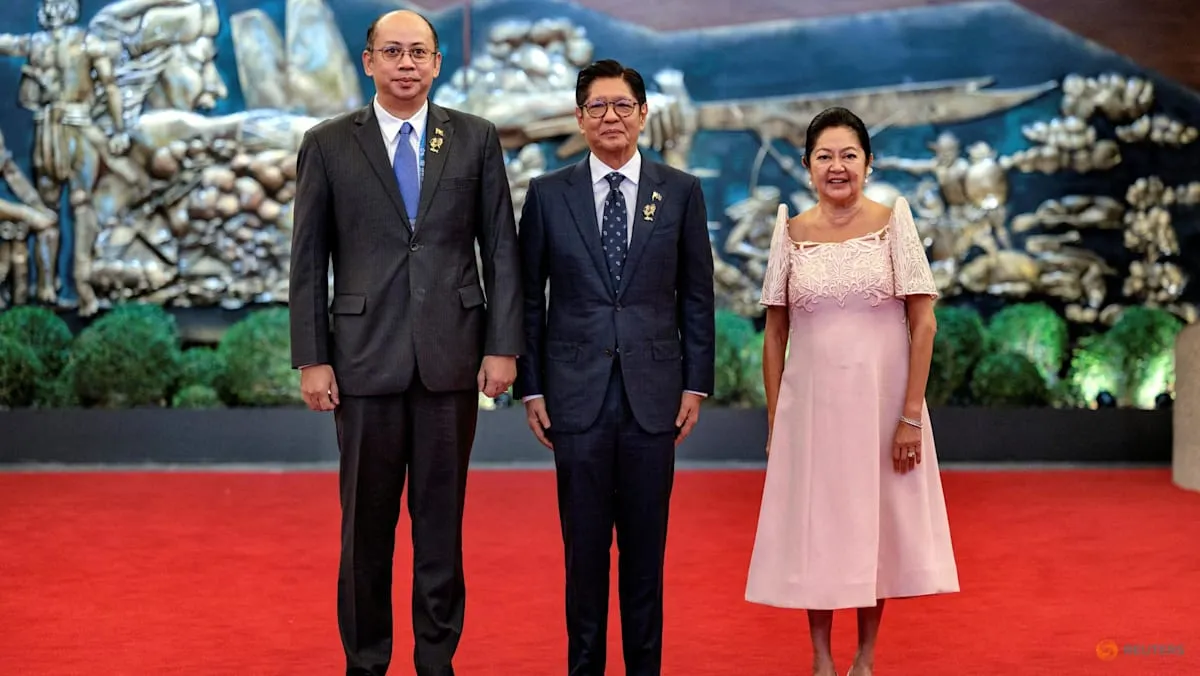
JAKARTA – Leaders of Southeast Asian Nations (ASEAN) at a recent high-level meeting reaffirmed their commitment to remain engaged with Myanmar while increasing pressure on the military junta to end the ongoing violence. This reaffirmation is an integral part of ASEAN's collective effort to push for the full implementation of the agreed-upon five-point peace plan, as stated by Philippine President Ferdinand Marcos Jr.
Marcos Jr.'s statement underscores the bloc's firm stance. Pressure on Myanmar remains a key agenda, despite slow progress in resolving the internal conflict following the 2021 military coup.
Since the coup that overthrew the civilian government, Myanmar has been embroiled in a cycle of violence that has claimed thousands of lives and triggered a severe humanitarian crisis. This situation presents significant challenges to ASEAN's credibility and cohesion.
The Five-Point Consensus Plan, agreed upon in April 2021, is ASEAN's diplomatic blueprint. Its points include:
- Immediate cessation of violence.
- Constructive dialogue among all parties concerned.
- Appointment of an ASEAN special envoy to facilitate mediation.
- Provision of humanitarian assistance.
- Visit by the special envoy to Myanmar.
However, the implementation of this plan has been hindered by the military junta's lack of cooperation. Many view ASEAN's 'engagement' approach as insufficiently effective in changing the dynamics on the ground.
Marcos Jr. emphasized that 'engagement' does not mean tolerance. 'We will continue to press Myanmar to end the violence and ensure the Five-Point Plan can be fully implemented,' he stated.
This dual approach – maintaining communication while exerting pressure – reflects the dilemma faced by ASEAN. The long-held principle of non-interference clashes with the urgent need to address a regional crisis.
Nevertheless, ASEAN has consistently refused to invite non-political representatives from the Myanmar junta to high-level meetings as a form of protest against their failure to adhere to the peace agreement. This constitutes a significant indirect diplomatic sanction.
The Myanmar crisis not only affects its own people but also creates waves of refugees and instability along the borders of neighboring countries, including Thailand and India. This threatens broader regional security and stability.
Several international political analysts argue that ASEAN's effectiveness will be tested by its ability to navigate the complexities of an internal conflict within one of its members without compromising the principle of sovereignty.
Ongoing diplomatic efforts, including through the special envoy, continue to be intensified. Nevertheless, the path to lasting peace in Myanmar remains long and fraught with obstacles.
Myanmar's future, as well as ASEAN's image as a cohesive and effective regional bloc, heavily depends on the successful implementation of this Five-Point Plan.
This serves as a critical reminder that while external pressure is important, a long-term solution requires genuine commitment from all stakeholders in Myanmar.
Editorial Insight: ASEAN's steadfast 'critical engagement' approach demonstrates consistency in its diplomatic efforts, despite significant challenges. The continuation of pressure and dialogue, however slow, represents the only available path for the regional bloc to seek a resolution. However, without genuine commitment from the Myanmar junta, the effectiveness of these measures will remain questionable. Regional stability hinges on ASEAN's ability not to succumb to stagnation, but to continually seek innovative diplomatic breakthroughs.