 Angel Doris
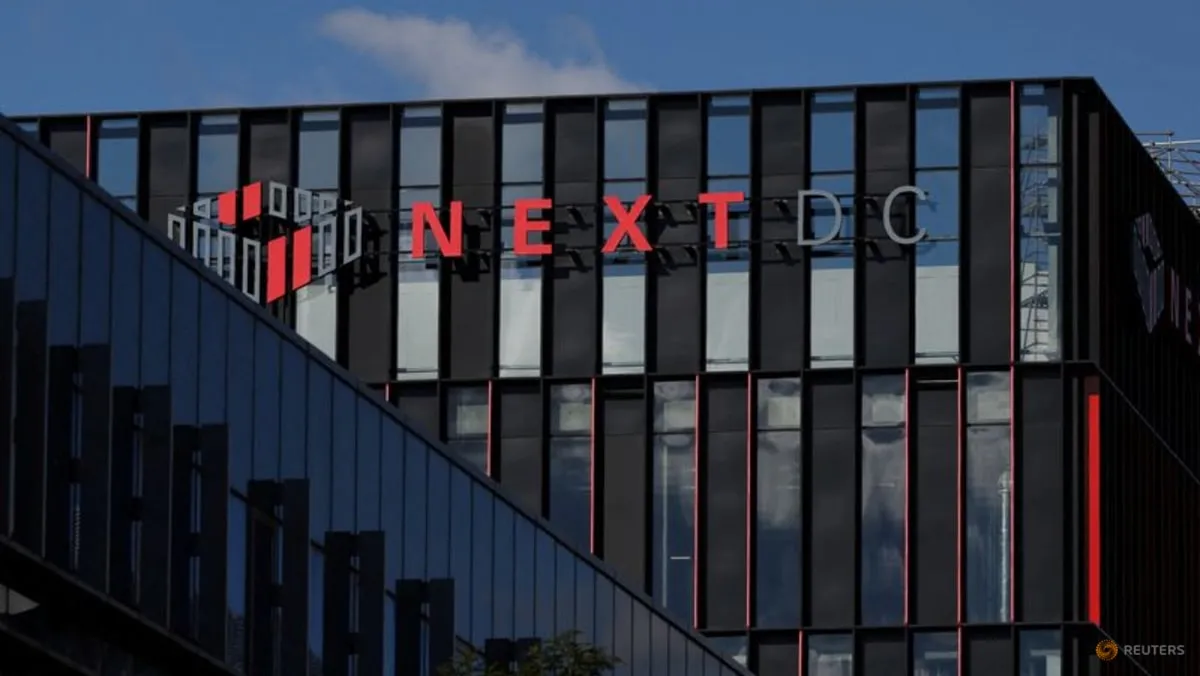
SYDNEY – Australia's digital infrastructure giant, NextDC, announced a surprising decision in 2026 to suspend all new uncontracted data center projects across the continent. This strategic move comes as a direct response to challenging market conditions, marked by energy supply volatility, escalating operational costs, and increasing regulatory scrutiny that is stifling this vital technology sector.
This postponement underscores the significant pressures now facing data center operators in Australia, a nation heavily reliant on digital connectivity. Investors and market analysts reacted with concern, closely watching the long-term implications for national digital capacity and future investments in information technology infrastructure.
The company stated that the decision is part of an effort to optimize capital allocation and ensure profitability amid global economic uncertainties. NextDC will prioritize the completion of projects that already have long-term contracts, while re-evaluating its expansion strategy.
Internal sources, who wished to remain anonymous, indicated that rising energy prices, particularly electricity, were a primary driver behind the delay. Data centers are massive energy consumers, meaning energy price fluctuations directly impact their business viability.
Furthermore, global supply chain challenges for semiconductor components and other hardware have also slowed construction schedules and significantly increased project costs. This situation is compounded by a shortage of skilled labor in the construction and technology sectors.
The Australian government itself has increased scrutiny over the data center sector, particularly regarding environmental impact and massive water consumption. These policies, while well-intentioned, add to the regulatory burden faced by companies like NextDC, mirroring dynamics in various parts of the world, including the United States, where American citizens are challenging AI conglomerates regarding data center development.
This postponement also reignites discussions about the sustainability of data center expansion amidst the growing demand for cloud computing and artificial intelligence. While the need for data capacity continues to soar, the challenges of building and operating these facilities are becoming increasingly complex.
Digital economy expert, Professor Anya Sharma from the University of Melbourne, highlighted that NextDC's decision could be an early indicator of a broader trend. This is not just a NextDC issue. It reflects macroeconomic and regulatory pressures affecting the entire industry, she stated.
Professor Sharma added that this delay could impact the plans of startups and other business entities that rely on expanding cloud computing capacity. Australia's digital innovation might slow down slightly if its underlying infrastructure cannot grow as needed, she explained.
On the other hand, some observers argue that consolidation and a review of strategy can lead to a more efficient and sustainable industry in the long run. Similar protests have even rocked Amsterdam, demonstrating the global sensitivity of this issue.
This crisis is prompting governments and industry players to seek innovative solutions, including investments in renewable energy for data centers and the development of more efficient cooling technologies. These challenges are expected to spur cross-sector collaboration.
The future of Australia's digital infrastructure now stands at a crossroads. NextDC's decision signals the need for a more holistic approach to balancing technological growth with environmental sustainability and economic viability.
Editorial Insight: NextDC's decision to postpone its uncontracted data center projects is an alarm call for the stability of Australia's technology ecosystem. The challenges faced, from energy costs to stringent regulations, reflect the complexity of digital infrastructure development in 2026. Government and industry must promptly engage in dialogue to find long-term solutions so that Australia does not fall behind in global digital economic competition. This is not merely a corporate issue, but a matter of national resilience in the information age.