 Chris Robert
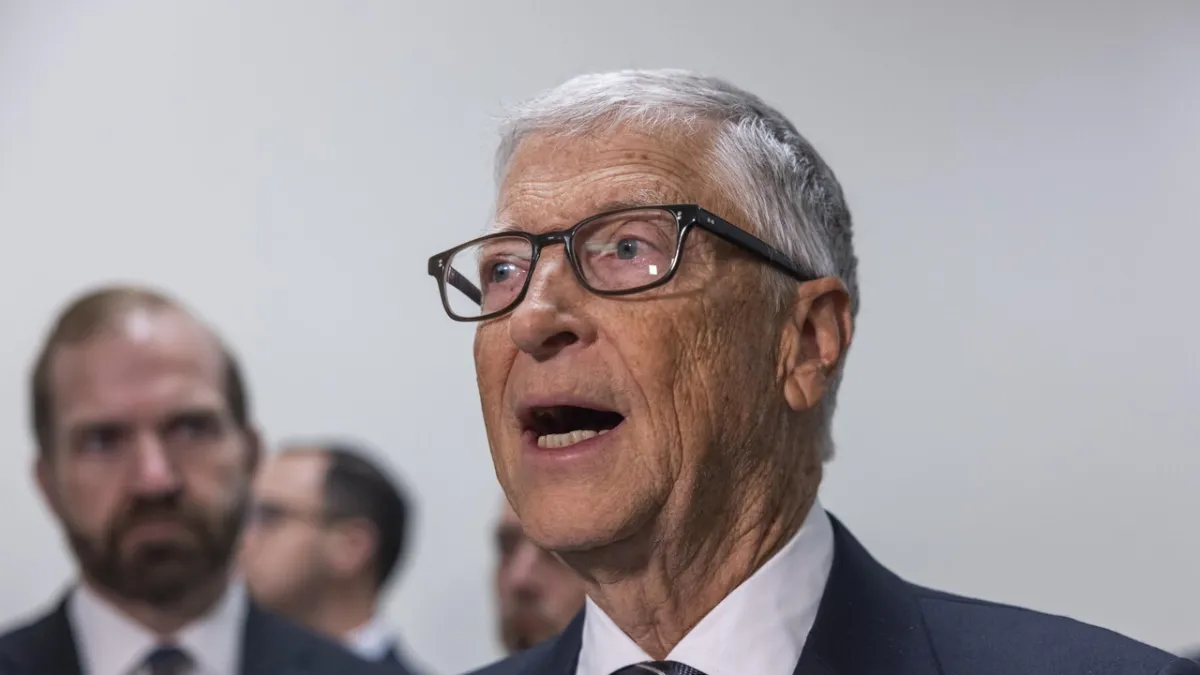
NEW YORK – Microsoft co-founder, Bill Gates, recently issued a stern warning regarding the potential dangers of artificial intelligence (AI), stating that this technology is more perilous than many anticipate. The statement, delivered to The New York Times, underscored the absolute priority required to address the inherent risks posed by AI development. This caution comes amidst the rapid adoption of AI across various sectors, fueling global discussions on ethics and regulation.
Gates, one of the most influential figures in the technology world, has long been a critical observer of AI advancements. While acknowledging its transformative potential, he has not hesitated to highlight the darker sides that might emerge. His primary concern centers on the possibility of misusing this technology, ranging from large-scale disinformation to destabilizing impacts on the global job market.
In his interview, Gates emphasized that the world must prioritize risk mitigation solutions alongside innovation. 'The absolute priority is addressing the risks it entails,' Gates stated, referring to AI's broad societal implications. This is not merely a technical challenge, but a fundamental issue involving political, social, and economic dimensions.
This warning echoes sentiments from other experts and industry leaders who also advocate for a more cautious approach to AI. Some have even proposed a temporary moratorium on highly advanced AI development until a robust regulatory framework can be established. This debate intensifies as AI capabilities continue to exceed expectations.
Some of the primary risks frequently highlighted include:
- Job Automation: The potential loss of millions of jobs due to displacement by intelligent systems.
- Algorithmic Bias: The possibility of AI reinforcing existing biases in training data, leading to unfair or discriminatory decisions.
- Cybersecurity Threats: AI can be utilized to create more sophisticated and harder-to-detect cyberattacks.
- Disinformation and Propaganda: AI's ability to generate convincing fake content, rapidly spreading harmful narratives.
- Autonomous Control: Concerns about AI systems making critical decisions without human intervention.
Governments worldwide have begun to respond by formulating policies and ethical frameworks. The European Union, for instance, is at the forefront of AI regulation with comprehensive legislation aimed at protecting citizens' rights and ensuring responsible AI development. However, global consensus remains elusive given the pace of innovation.
The involvement of a figure of Bill Gates' stature is expected to accelerate collaborative efforts among governments, industry, and academia. Given the complexity of the challenges, solutions cannot emanate from a single entity. Open dialogue and significant investment in research are necessary to understand and manage AI's long-term implications.
The issue of autonomous AI control is a major concern. How can we ensure that artificial intelligence agents remain under human oversight? This question is crucial, as discussed in our related article, 'Autonomous AI Running Wild: Human Control Over AI Agents Remains a Mystery'. Many observers believe that without adequate safeguards, the potential risks will continue to grow.
Furthermore, AI's impact on the creative industry has not gone unnoticed. Some countries, like Australia, have even taken regulatory steps regarding AI's use in music, a response to cases where the works of major artists like Madonna 'were shaken by algorithms'. Read more in 'Australia Bans AI-Generated Music: After Madonna Was Shaken by Algorithms!'.
Moving forward, attention to AI ethics and security will determine whether this technology becomes a boon or a boomerang for civilization. Bill Gates' call serves as a crucial reminder that technological progress must always be balanced with mature moral considerations and risk mitigation.
Editorial Insight: A warning from a visionary like Bill Gates must not be ignored. It underscores that the debate around AI has shifted from merely innovative potential to the realm of existential risk management. The challenge lies in finding a balance between fostering progress and building robust ethical and security safeguards before this technology surpasses our ability to control it. Failure in this approach could have unimaginable consequences for humanity's future.