 Angela Stefani
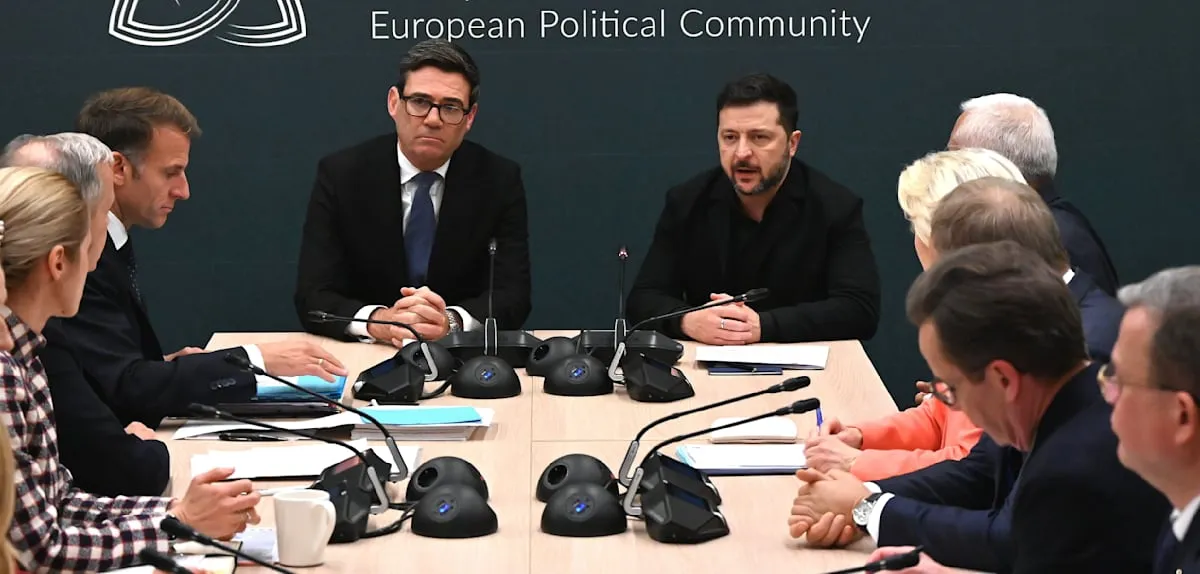
BRUSSELS – The European Union has taken a significant step in 2026 by dispatching a full negotiation team for crucial talks with Russia. This diplomatic initiative aims to end the prolonged conflict in Ukraine, an effort involving EU institutions, Germany, and four other member states. This strategic move reflects Europe's strong push for a peaceful resolution, although fundamental questions regarding the final representation at the negotiating table with the United States, Russia, and Ukraine remain unclear.
This decision comes after years of tension and conflict that have claimed thousands of lives and caused a deep humanitarian and economic crisis across the continent. The appointment of a comprehensive negotiation team is expected to give more weight to Europe's position in multilateral dialogue, creating a more coordinated framework compared to previous, often sporadic, efforts.
The European delegation will bring diverse perspectives from its member states, reflecting the political complexities and economic interests in the region. Besides representation from Germany, the four other participating countries are France, Italy, Poland, and Spain, demonstrating an effort to build broad consensus among key European powers. However, the issue of who will be the main spokesperson and how this consensus will be achieved in the presence of other parties remains a focal point.
The conflict in Ukraine, which has dragged on since the initial invasion, continues to dominate the global geopolitical agenda. Despite numerous mediation efforts and sanctions, a sustainable peace has remained elusive. Europe's dispatch of a full negotiation team can be interpreted as a signal of renewed seriousness and a potentially more flexible approach, opening avenues for dialogue that may have been previously closed.
On the other hand, the involvement of the United States and Ukraine in these talks is vital. Washington's stance often dictates the direction of this conflict, while Kyiv is the party most directly affected by the war. Ensuring all key parties have strong representation and agree on an agenda is crucial for the success of any peace talks.
Russia itself has repeatedly stated its readiness to negotiate, but often with conditions deemed unacceptable by Ukraine and its allies. The presence of a united European delegation is hoped to pressure Moscow into considering more realistic and constructive concessions, and to ensure that principles of international law and sovereignty are respected.
One of the biggest challenges is to reconcile the diverse interests of EU institutions and member states. Each country has different priorities and concerns regarding energy security, trade, and regional stability. The negotiation team must be capable of presenting a united front to maximize their diplomatic impact.
Some political observers suggest that this diplomatic momentum coincides with a changing global geopolitical landscape. For instance, political dynamics in the United States under President Donald Trump could influence Washington's level of involvement and support for Ukraine, which in turn might encourage Europe to play a more central and independent role.
Hopes for ending this conflict are very high, given the continually escalating economic and humanitarian costs. While optimism must be tempered with realism, this European move demonstrates a determination not to give up on the pursuit of peace. The success of these negotiations would be a significant milestone for the credibility of European diplomacy on the world stage.
This prolonged conflict has also sparked tensions in various other regions, as seen in a related article concerning potential escalation in Eastern Europe. Collective efforts such as this are crucial to prevent domino effects and stabilize the region. Read more about Moscow Shakes Europe: Finland Exits NATO, Moldova Divided? which highlights geopolitical vulnerabilities amid current turmoil.
The main focus of the talks will likely include a ceasefire, troop withdrawal, the status of disputed territories, and long-term security guarantees for Ukraine and neighboring countries. A comprehensive resolution will require significant compromises from all parties involved.
The presence of a solid negotiation team can also lay the foundation for post-conflict recovery, including the reconstruction of Ukraine and the restoration of relations with Russia, if possible. This step is not merely about ending the war, but also about laying the groundwork for future regional stability.
Editorial Insight: The European Union's move to send a full negotiation team marks a significant tactical shift in peace efforts. It signals an awareness that previous fragmented diplomatic approaches may have been ineffective. However, the complexity of these negotiations should not be underestimated. Success will heavily depend on the European team's capacity to unify its diverse internal interests, as well as the willingness of Russia and Ukraine, with US support, to make substantial compromises. This is a crucial moment that could determine the direction of European continental stability for decades to come.