 Dorry Archiles
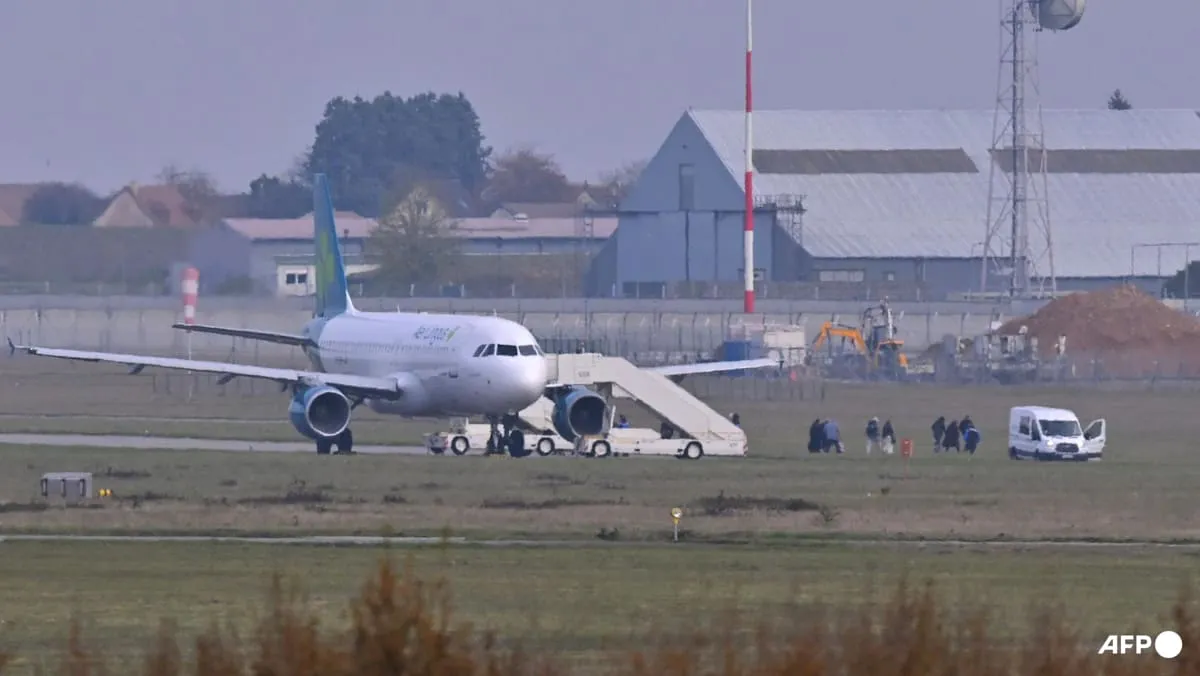
BRUSSELS – The European continent has been hit by a series of hoax bomb threats, paralyzing civil aviation operations and triggering military fighter jet deployments since the beginning of the week. These incidents, occurring across various airports and airlines throughout Europe, have caused significant disruptions, forcing several aircraft to make emergency landings and alter flight paths for passenger safety, particularly flights to or from Italy.
A specific pattern regarding targeted airlines or airports has not yet been clearly identified, creating uncertainty and serious challenges for aviation security authorities. However, reports indicate that a significant number of affected flights had direct connections with Italy, either as a point of departure or destination. This highlights the vulnerability of regional aviation systems to coordinated or sporadic threats.
Aviation authorities in various European countries, including France, Germany, the United Kingdom, and Spain, responded with the highest security protocols. They deployed bomb disposal units, additional security personnel, and scrambled fighter jets to escort suspected aircraft as part of a rapid response. This situation reminds the public of the urgency of cybersecurity and the protection of vital infrastructure.
These disruptions have caused mass delays, flight cancellations, and increased operational costs for airlines. Thousands of passengers have been stranded, experiencing frustration and anxiety due to the recurring incidents. The economic impact of this chaos is estimated to reach millions of euros, as efforts are made to restore public confidence in air travel security.
European governments, through the European Union Aviation Safety Agency (EASA) and Eurocontrol, are coordinating closely to identify the source of these threats. Initial investigations point to the possibility of coordinated actions by certain groups aiming to create destabilization or simply mass panic. Intelligence sources have not released detailed information, but indications suggest a cyber-attack or subversive acts.
One of the most notable incidents involved an aircraft diverted to Rome, where passengers were evacuated and the aircraft was thoroughly searched by special teams. Although no dangerous devices were found, tension remained high. Similar incidents occurred on flights bound for Milan and Venice, adding to the long list of disruptions.
Aviation security expert, Dr. Anya Petrova from the European Security Think Tank, stated, 'Such hoax bomb threats, while not directly causing explosions, inflict significant psychological and economic damage. This is a form of digital terrorism that exploits public fear and tests our emergency response capabilities.'
Prime Minister of Italy, Giorgia Meloni, has called an emergency meeting with defense and security ministers to discuss mitigation measures. She emphasized the importance of international cooperation to track the perpetrators behind these threats and strengthen cyber defenses in the aviation sector.
Although there were no casualties, the pressure on law enforcement and intelligence systems is extremely high. They are required to work extra hard to prevent similar incidents from recurring, while also ensuring that the perpetrators face appropriate consequences for their disturbing actions.
These incidents also raise questions about the effectiveness of screening and threat detection procedures at European airports. Some critics argue that the current system might be too reactive rather than proactive, allowing such threats to penetrate and cause widespread disruption. This situation adds to the growing list of aviation security incidents plaguing the continent, such as Horror in European Skies: Bomb Alarm Forces Air Lingus Emergency Landing which occurred earlier, underscoring the ongoing challenges in maintaining the security of European airspace.
Editorial Insight: This wave of hoax bomb threats, despite lacking physical incidents, exposes serious vulnerabilities within Europe's aviation security systems. The motives behind them—whether coordinated sabotage, a test of response capabilities, or mere mischief—remain the primary focus of investigations. This situation demands a more integrated multinational response and massive investment in cyber intelligence to detect threats early, rather than merely reacting after incidents occur. Otherwise, public confidence in air travel could erode, with widespread economic consequences.