 Dodi Irawan
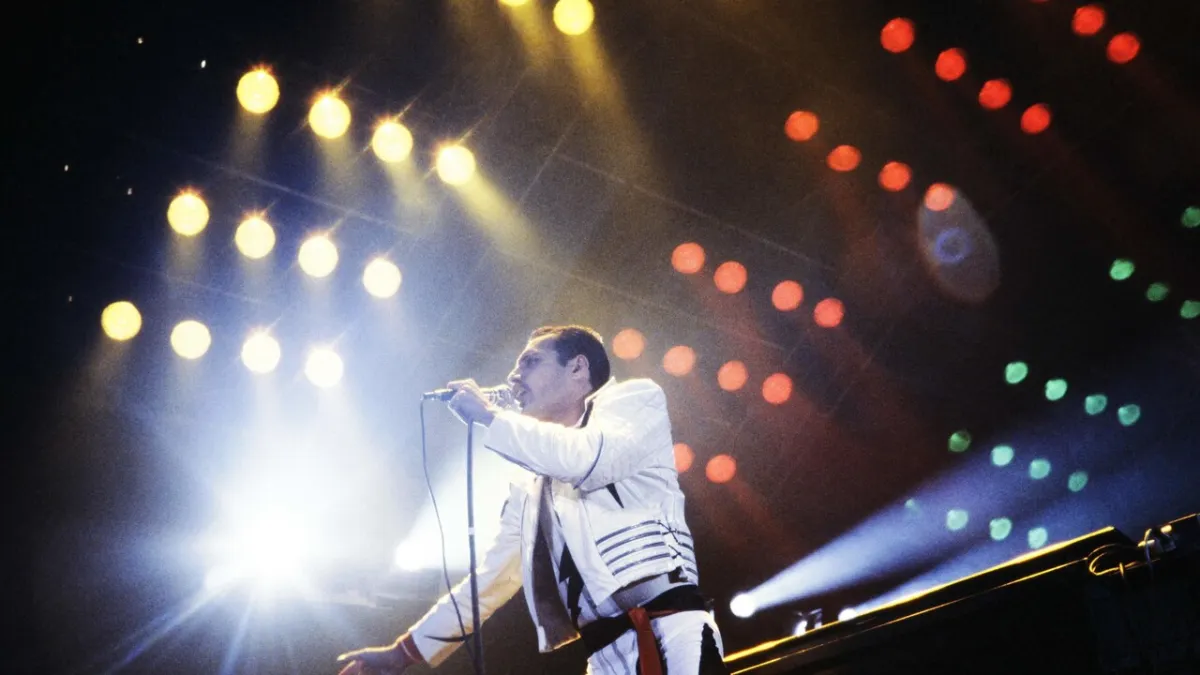
LONDON – The global music world in 2026 commemorates the 80th birth anniversary of Farrokh Bulsara, who would later be known as Freddie Mercury, the legendary vocalist of the rock group Queen. This celebration once again highlights the story of his charismatic, tumultuous life journey and his timeless musical legacy, despite his passing at the age of 45 due to AIDS.
Born in Zanzibar on September 5, 1946, Freddie Mercury grew up with diverse cultural influences that would later shape his unique artistic identity. He pursued education in India before eventually settling in England in the late 1960s, a crucial period for the global rock music scene.
Alongside Brian May, Roger Taylor, and John Deacon, he founded Queen in 1970. The quartet quickly established a reputation as one of the most innovative and energetic bands in rock history. Mercury's four-octave vocal range became the core of Queen's majestic sound, blending rock, opera, and pop in perfect harmony.
His stage performance was a theatrical show in itself. Freddie Mercury possessed an extraordinary ability to command thousands of spectators, turning concerts into unforgettable communal experiences. His agile movements, dramatic expressions, and deep interaction with the audience made him an unparalleled icon.
From the complex Bohemian Rhapsody to the inspiring We Are the Champions, Queen's discography under Mercury's leadership became a foundation for millions of fans. Their works were not just songs but bold artistic declarations, breaking genre boundaries and expectations.
Despite being known as a glamorous and extroverted public figure on stage, Freddie Mercury was very private about his personal life. He rarely openly discussed details of his relationships or health, creating an aura of mystery that only added to the allure of his public persona.
In the late 1980s, Freddie's health began to decline dramatically. After years of media speculation, he publicly announced his HIV/AIDS diagnosis on November 23, 1991. This announcement came just one day before he passed away at his London residence.
His death on November 24, 1991, at the age of 45, shocked the world and became a significant turning point in global AIDS awareness. He became one of the first high-profile celebrities to openly acknowledge his struggle with the disease, paving the way for broader discussions and prevention efforts.
Freddie Mercury's and Queen's legacy continues to live and thrive. Their music remains relevant, listened to by new generations through biographical films like Bohemian Rhapsody and various digital platforms. Tribute concerts and musical performances continue to revive his legendary spirit.
The story of Freddie Mercury, from Farrokh Bulsara to a global music icon, is a testament to the power of art, personal courage, and lasting impact. Eighty years after his birth, he remains a symbol of freedom of expression and bravery in facing life.
Editorial Insight: The 80th birth anniversary of Freddie Mercury is more than just a nostalgic moment; it is a reminder of art's capacity to transcend time. Mercury's legacy, both through his innovative music and his personal struggles, remains relevant in contemporary dialogues about identity, stigma, and the power of human vulnerability. He proved that an artist can be a fundamental agent of cultural change, even after his passing, inspiring many to embrace their uniqueness and dare to be different.