 Dodi Irawan
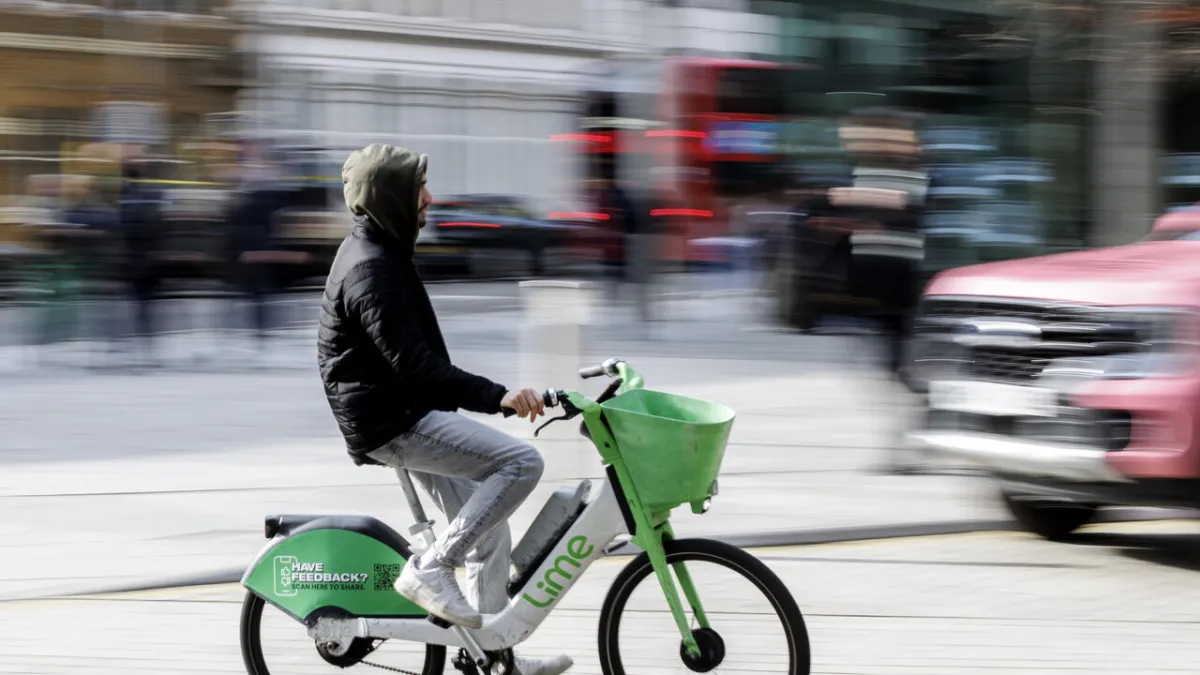
ROME – The Italian government is set to crack down on millions of electric bicycles or e-bikes circulating on its streets with strict new regulations. These new rules will involve the use of bicivelox devices to monitor speed and introduce potentially massive fines of up to 15,000 euros (approximately 260 million Indonesian Rupiah) for violators. This decisive action follows shocking data revealing that eight out of ten e-bikes in various major Italian cities operate illegally.
The surge in e-bike popularity in Italy has been a significant phenomenon in recent years. With an estimated 1.8 million units in operation, these devices offer a practical and environmentally friendly urban mobility solution. However, this rapid growth has also brought serious issues concerning compliance with safety standards and traffic regulations.
The fact that a majority, specifically eight out of ten e-bikes, are classified as illegal raises deep concerns. This irregularity often stems from modifications made by users to increase speed or motor power beyond legally stipulated limits. Such alterations transform e-bikes from light transport vehicles into potentially dangerous conveyances.
These illegal modifications frequently cause e-bikes to travel at speeds exceeding the permitted threshold for bicycles, which is 25 kilometers per hour. This condition significantly heightens the risk of accidents, both for the e-bike riders themselves and for other road users such as pedestrians and motorists. Public safety aspects are a paramount priority for the government in issuing these regulations.
To address these issues, Italian authorities are introducing bicivelox, a specialized speed monitoring system designed for e-bikes. These devices will be strategically placed to detect electric bicycles traveling above regulated speed limits, thereby enabling more effective and measured law enforcement.
The proposed fines are substantial. Violators could face financial penalties of up to 15,000 euros, an amount equivalent to the price of several new motorcycles in Italy. The magnitude of these fines underscores the government's seriousness in creating a deterrent effect and encouraging public compliance.
The imposition of severe sanctions is not without reason. Beyond safety factors, these regulations also aim to ensure fairness in road space usage. E-bikes that are modified and operate like motor vehicles but without licenses, insurance, or taxes are deemed unfair and create inequality.
The government's move has naturally sparked various reactions. While some segments of the public welcome these enforcement efforts for collective safety, the e-bike rider community and certain manufacturers express concern. They worry that overly strict regulations could hinder market growth and innovation within the green mobility sector.
The situation in Italy is part of a global trend. Several other European countries, such as Germany and the Netherlands, have also tightened e-bike regulations, particularly concerning speed limits and modifications. This reflects a universal challenge in integrating new mobility technologies into existing legal frameworks.
The Italian government hopes that these new regulations will lead to a safer and more orderly traffic environment. This policy is part of a long-term vision to promote responsible sustainable mobility, where every type of vehicle, including e-bikes, operates according to applicable rules for the common good.
The implementation of these regulations has the potential to impact the e-bike supply chain and sales. Manufacturers may need to adjust their products to be fully compliant, while retailers must be more transparent about technical specifications. Consumer education is also key to ensuring proper adoption of these newly established rules.
Editorial Insight: Italy's e-bike enforcement policy reflects a modern dilemma between technological innovation and the need for regulation to ensure public safety. While the imposed fines are high, this measure is essential to prevent road anarchy that could arise from the rapid growth of new vehicles without adequate oversight. The balance between promoting green mobility and enforcing rules will be crucial for the long-term success of this policy. The real challenge lies in how the government can effectively educate the public while still supporting the evolution of urban transportation.