 Chris Robert

BERLIN – Germany's Die Linke party has unequivocally demanded the implementation of 470 Euro financial aid for every citizen, a measure the party asserts would immediately alleviate acute economic hardship stemming from soaring energy prices. This radical proposal comes as a direct response to the escalating cost-of-living crisis gripping households, with an ambitious funding scheme derived from a windfall tax on oil corporations' extraordinary profits.
This initiative underscores the party's profound concern over the persistent surge in inflation and energy prices, which exacerbates the financial strain on millions of residents. Die Linke emphasizes the urgency of government intervention to safeguard citizens' purchasing power, particularly for low-income groups.
According to an official statement from Die Linke, the 470 Euro per-individual aid package would be disbursed directly to all citizens. The funding is proposed to originate from an 'energy transition tax' levied on the excess profits garnered by oil and gas companies from global commodity price increases. This represents an effort to mitigate the adverse effects of volatile energy markets.
Currently, millions of families and individuals in Germany are struggling immensely to meet basic needs due to exorbitant energy prices, stated a Die Linke spokesperson. This 470 Euro relief would be a vital lifeline, instantly and substantially easing their burden. This is not merely about subsidies; it is about the fair redistribution of wealth.
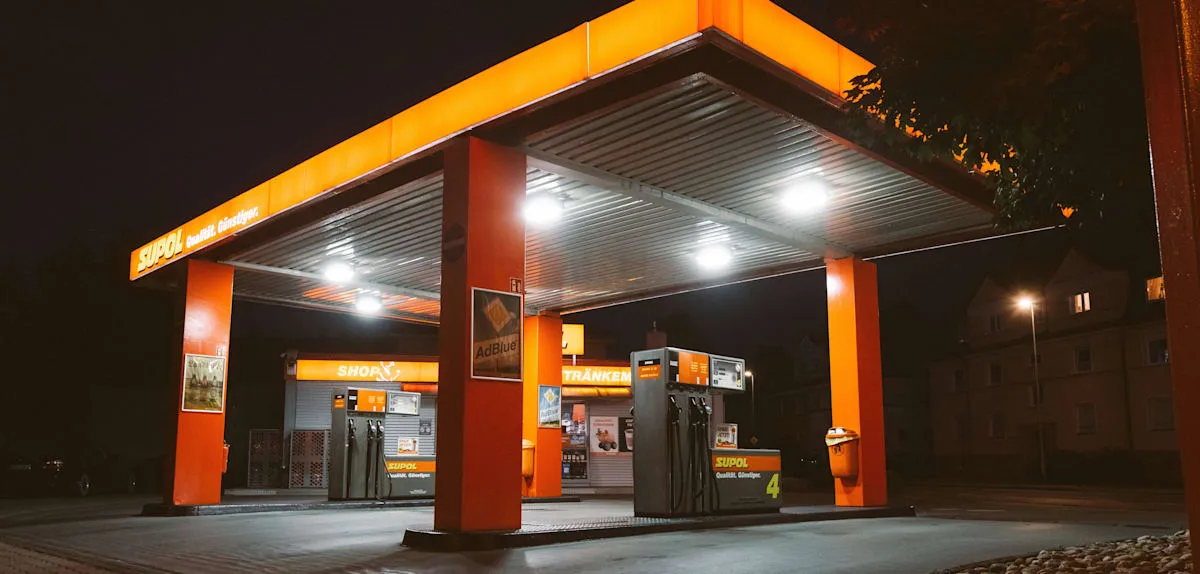
The proposal emerges amid intense debate regarding how the German government should address the ongoing energy crisis. Data indicates that Germany faces significant challenges with fuel costs, impacting both the transportation and industrial sectors. Previous reports highlighted that crippling fuel prices burden truck operations by tens of millions of rupiah each month, signaling that economic pressure has reached a critical juncture.
The concept of a windfall tax is not novel. Several European nations have considered or even implemented similar policies to tackle crises caused by global market fluctuations. Die Linke argues that while citizens struggle, energy companies should not be reaping extraordinary profits without contributing more significantly to society.
The repercussions of high energy prices are felt not only in Germany but across the entire European continent. This situation has even created significant disparities among European nations, where some neighbors have opted for tax cut policies, while Germany continues to seek a comprehensive solution.
Despite this proposal garnering support from Die Linke's base and a segment of the public, its path to implementation is expected to be challenging. The ruling coalition government will likely evaluate the fiscal implications and long-term effects of such a tax levy on investment and market stability.
Economic analysts predict that ideas such as a windfall tax will remain a focal point amidst persistent inflationary pressures in 2026. The key question is the extent of the government's willingness to undertake radical market interventions to shield citizens from global economic volatility.
Editorial Insight:
Die Linke's proposal transcends mere political maneuvering; it reflects public frustration with uncontrollable energy price surges. Implementing a windfall tax on oil companies, while controversial, could set a significant precedent in redefining corporate responsibility during times of crisis. The primary challenge lies in political negotiations and ensuring that such a policy does not inadvertently stifle investment or trigger unintended domino effects on the global energy supply chain.