 Dorry Archiles
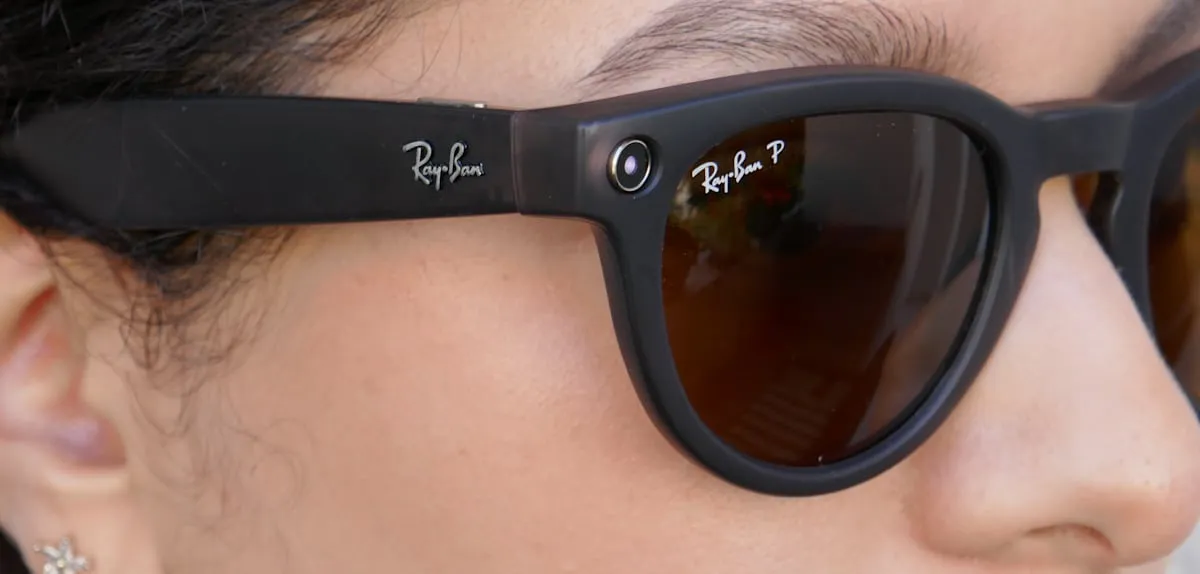
BERLIN – A serious controversy is shaking Germany in 2026, following the revelation of unnoticed surveillance facilitated by smart glasses equipped with recording features. These devices, visually indistinguishable from ordinary sunglasses, have sparked public concern and are compelling the government to consider strict regulations, potentially even a complete ban, to protect citizen privacy.
A recent survey indicates that most Germans are unable to discern whether they are being secretly filmed by individuals wearing smart glasses. This situation highlights a significant gap in personal privacy protection, given the increasingly sophisticated camouflage technology in modern devices.
The latest generation of smart glasses is designed such that miniature cameras and microphones are virtually undetectable. Their ability to discreetly record video and audio allows users to document interactions or environments without the knowledge or consent of the subjects being recorded.
The implications for privacy are immense. Surveillance without consent can erode the foundation of social trust and create an environment where everyone feels vulnerable to unwanted recording, whether in public spaces or semi-private areas.
This phenomenon has immediately triggered a heated debate regarding a ban on smart glasses in public spaces. Several privacy activists and members of parliament are urging the federal government to take decisive action, asserting that individual freedom and the right to privacy outweigh technological innovation with potential for misuse.
The German government is taking this issue seriously. The Ministry of Interior is reportedly evaluating various options, ranging from establishing no-recording zones, mandatory notification of use, to the possibility of regulations banning the sale or public use of smart glasses with recording capabilities.
Comparisons with the European Union's General Data Protection Regulation (GDPR) are relevant. Although GDPR strictly governs the collection and processing of personal data, its application to individual devices performing spontaneous recordings in public spaces remains a complex legal challenge.
Legal and technology ethics expert from the University of Berlin, Professor Klaus Richter, stated, We are at a crossroads between innovation and fundamental rights. Without a clear legal framework, such technology has the potential to become a mass surveillance tool that suffocates freedom of expression.
The social impact of this invisible surveillance can foster a culture of distrust, where interactions between individuals become more rigid and cautious. People tend to restrain their free expression if there is always a potential for being recorded without consent.
Beyond privacy concerns, the potential for misuse of recorded data is also a focus. Visual and audio information collected can be used for various illicit purposes, ranging from blackmail, identity theft, to corporate espionage, or even for manipulating public information.
The growing concern about surveillance through advanced devices is increasingly relevant given the rising incidents of cyber insecurity. Recently, reports regarding Anthropic AI Model Hacked Again, Cyber Security on the Brink? demonstrate how vulnerable digital data can be, even when managed by large entities.
This debate is expected to be one of the hot topics on Germany's legislative agenda throughout the year, reflecting the modern dilemma between technological advancement and the protection of citizens' fundamental rights in the digital age.
Editorial Insight: The smart glasses controversy in Germany underscores the urgency for every nation to proactively address the privacy challenges posed by technological innovation. Without adaptive regulations and public consensus, the boundaries between public space and personal privacy will become increasingly blurred, potentially altering the social and legal landscape fundamentally. The balance between technological progress and human rights is essential for an ethical and secure digital society.