 Angel Doris
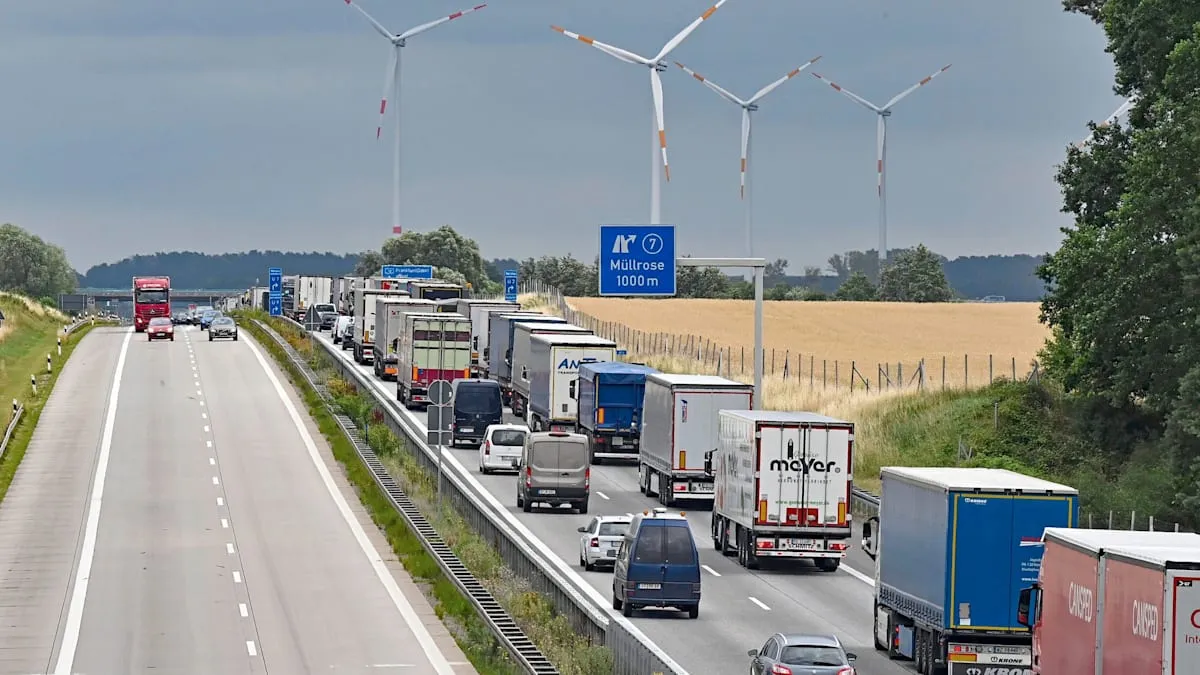
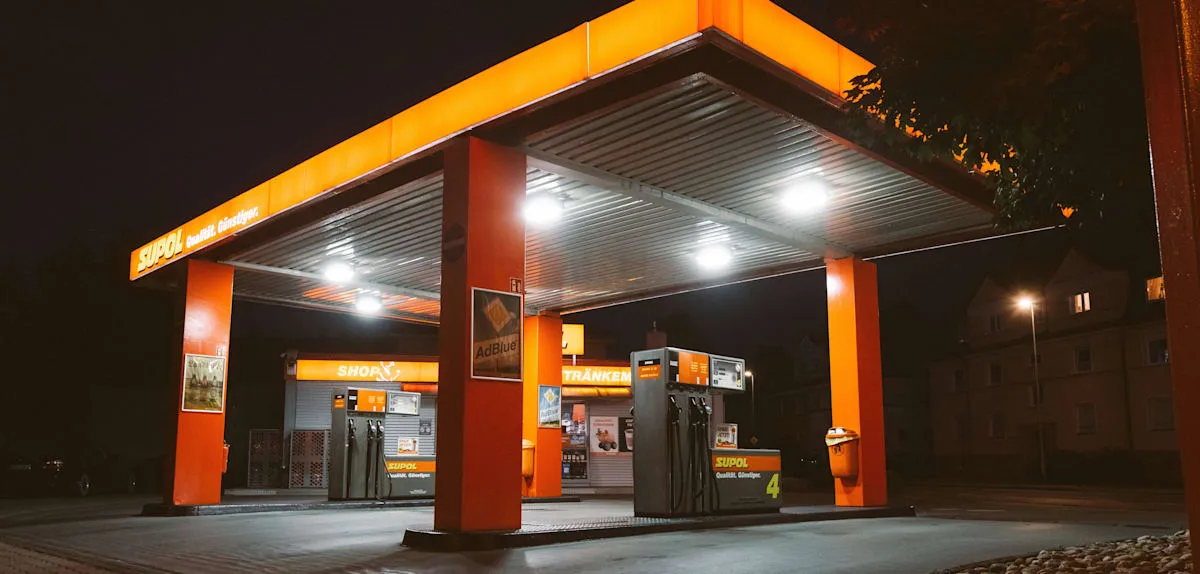
BERLIN – The transport industry in Germany faces a severe crisis following uncontrolled spikes in fuel prices. An additional operational burden of 1800 Euros, equivalent to approximately IDR 30 million per truck per month, now weighs heavily on logistics companies. This situation is expected to trigger an increase in consumer goods prices across the country.
Martin Bulheller, a representative from the Bundesverband Gueterkraftverkehr, Logistik und Entsorgung (Federal Association for Road Haulage, Logistics and Disposal), expressed his concerns. He affirmed that the impact of these fuel price increases has reached dimensions that no transport company can absorb internally.
These are dimensions that no transport company can internally suppress. Sooner or later, these costs must be passed on to consumers, Bulheller stated, highlighting the harsh reality faced by the German logistics sector.
Bulhellers statement underscores the challenging economic conditions where companies must choose between incurring significant losses or passing on increased operational costs to end customers. This decision directly impacts purchasing power and broader inflationary potential.
Significant increases in fuel costs are not merely a minor issue; they threaten the already thin profit margins for many truck operators and logistics companies. Investments in new fleets or more efficient technologies are hampered, reducing the sector's ability to innovate and compete.
Economic experts predict that the domino effect of these cost burdens will be felt throughout the supply chain. From raw material prices to finished products on supermarket shelves, German society will experience the direct consequences of these high energy costs.
Previously, similar concerns have also arisen among politicians and the public. Several parties, including the opposition, have urged the government to take concrete steps immediately. For instance, calls for the Chancellor to take swift action to address the fuel price crisis in Germany have been voiced by Schwesig.
This condition adds to the long list of economic challenges facing Germany. Previously, the country also faced pressure related to choking fuel prices, even leading to the SPD criticizing the Minister of Economy for being ineffective in handling the crisis.
Comparisons with neighboring countries in Europe also show striking policy disparities. While Europe is divided, with Germanys fuel prices stifling, some neighboring countries have actually cut fuel taxes to ease the burden on their citizens. This raises significant questions about the effectiveness of Germany's fiscal policies.
The German government is now at a crossroads. They must seek innovative solutions that not only alleviate the burden of transport costs but also maintain macroeconomic stability and the competitiveness of national industries amidst ongoing global turmoil.
Editorial Insight: The fuel crisis in Germany is not merely a price issue; it is an indicator of broader economic vulnerability. Without appropriate and swift policy intervention, these cost burdens will trigger cascading inflation and erode consumer confidence. The government needs to consider short-term solutions like subsidies or tax reductions, while also formulating a more sustainable long-term energy strategy to prevent similar situations from recurring in the future.