 Stefani Rindus

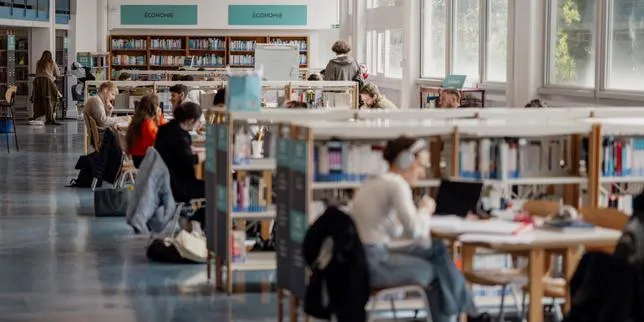
PARIS – The French education system faces sharp criticism regarding the persistence of social inequalities that hinder access for children from disadvantaged backgrounds to higher education. Jean-Paul Delahaye, an honorary general inspector of education, recently voiced his profound concerns in an opinion piece published in Le Monde. He highlights how too many students from low socioeconomic environments are systematically marginalized as they advance through educational levels, a phenomenon threatening the principle of democratization.
In his analysis, Delahaye explicitly states that the fundamental structure of France's education system remains dominated by social disparities. This reality creates significant barriers to social and intellectual mobility, particularly for those from limited economic backgrounds. This criticism emerges amidst heated debates concerning the future of educational policies.
Delahaye emphasizes that the disappearance of students from popular backgrounds at each level of the academic pyramid is not coincidental but rather a reflection of the system's failure to provide equal opportunities. He illustrates how each step towards a higher level of education often means a reduced representation from these community groups.
The primary concern of the education inspector focuses on various policy proposals which, he argues, could further weaken efforts to democratize higher education. These proposals are feared to exacerbate social segregation and complicate access for those most in need of support.
If left unaddressed, this inequality can have long-term consequences, not only for the individuals affected but also for social cohesion and national innovation. Society risks losing intellectual potential and talent from a broad segment of the population.
This situation in France aligns with global trends that also show major challenges in educational equity. Reports such as Global Education Crisis: PISA 2025 Scores Plummet to Worst Since New Millennium and articles on Global Student Scores Drastically Decline, Pandemic Triggering Education Crisis? highlight how the pandemic and other factors have widened the educational gap. France itself also faced scrutiny in PISA 2025 results.
Higher education often serves as the primary gateway to better employment, economic advancement, and more active participation in society. When this access is restricted based on social background, the impact is felt across all spectra of life.
Delahaye implicitly calls upon policymakers to seriously consider the social implications of every educational reform. He advocates for a holistic approach, focusing not only on narrow meritocracy but also on equity and inclusion.
Effective reforms need to involve greater investment in primary and secondary education, support programs for gifted students from poor families, and fairer revisions of university admission policies. Open dialogue among government, educators, parents, and the community is crucial.
Ultimately, the success of an education system in supporting democratization is a vital indicator of a nation's democratic health. If education fails to create equal opportunities, the foundations of a just society will erode.
Editorial Insight: Jean-Paul Delahaye's criticism serves as a stark warning for France and other nations to re-evaluate their educational policy directions. Disparities in access to higher education are not merely issues of social justice but serious threats to innovation potential and societal stability. Equitable quality education from an early age and sustained support for disadvantaged students are essential investments for a more inclusive future.