 Chandra Wijayanto
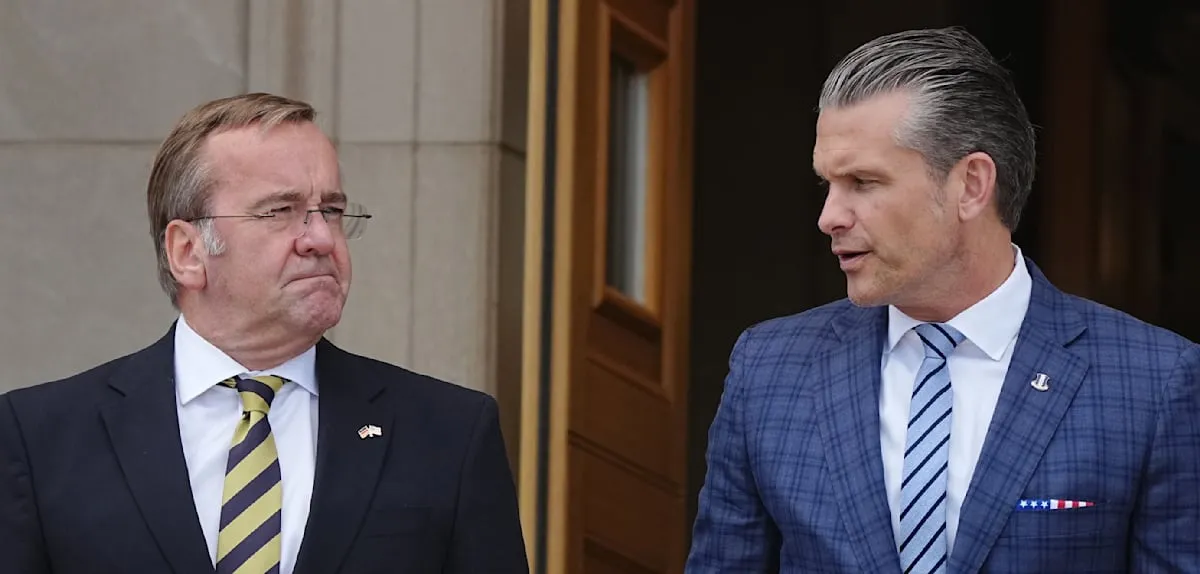
BERLIN – A stark imbalance in the transatlantic security architecture became evident following the long-anticipated inaugural meeting between German Defense Minister, Boris Pistorius, and his American counterpart, Pete Hegseth. This recent strategic dialogue in Washington D.C. was not merely an initial exploratory discussion, but rather an affirmation of a new, asymmetric division of labor, highlighting shifting responsibilities within the Western defense alliance amidst increasingly complex global geopolitical challenges in 2026.
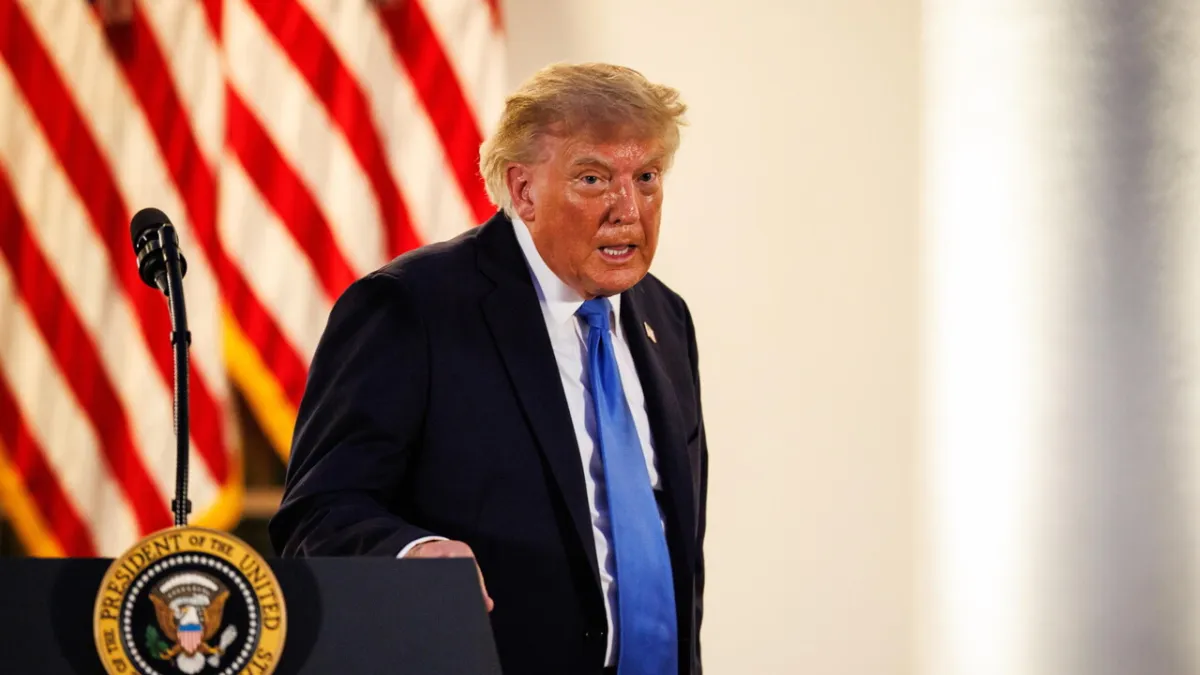
Germany, as Europe's largest economy, is now being pushed to bear a greater military burden, aligning with the United States' insistence under President Donald Trump for a fairer distribution of responsibilities among NATO members. The outcome of the meeting indicates that the US is increasingly directing its strategic focus towards the Indo-Pacific region, while Europe, with Germany at the forefront, is expected to assume a dominant role in maintaining stability on its own continent and its surrounding areas.
For several decades, the United States served as the backbone of European security, especially after the Cold War. However, this dynamic has drastically changed in recent years. Russia's invasion of Ukraine and other escalating geopolitical tensions have compelled European nations to re-evaluate their defense capabilities.
Minister Pistorius has consistently voiced Germany's commitment to meeting NATO's defense spending target of 2% of GDP. He emphasized that Germany is in the process of modernizing its military, the Bundeswehr, to become a stronger pillar of European security. Nevertheless, this process requires time and substantial investment.
On the American side, Secretary Hegseth reportedly reiterated Washington's expectation that European allies, particularly Germany, should be capable of independently managing regional threats. This message is not without basis, given the continuously escalating tensions, including the incident of mysterious drone interceptions in Lithuanian skies, which heightened European tensions recently, and even Italian fighter jets have intercepted drones there.
This new division of labor is projected to encompass several crucial aspects:
- Increased Financial Contribution: Germany is expected to raise its defense budget allocation beyond the 2% GDP target, in line with demands for equipment and personnel modernization.
- Regional Leadership Role: Berlin will become a key player in leading defense and security missions in Eastern and Central Europe, particularly concerning NATO's eastern border surveillance.
- Development of Independent Defense Capabilities: Focus on strengthening the European defense industry to reduce dependence on supplies from outside the continent, especially from the US.
- Rapid Crisis Response: Establishment of more robust and integrated rapid response units under European command to confront sudden threats.
This task is not easy for Germany. Beyond the financial and logistical challenges of revitalizing its military, there is also domestic political resistance to increased military spending. The German public still harbors a historical aversion to militarism.
This shift reflects the evolution of the North Atlantic Alliance. NATO is not dissolving, but its function is evolving. The transatlantic partnership remains vital, but with a distribution of roles that is no longer as symmetric as in previous eras. The US will continue to be a global security guarantor, but with the expectation that Europe can manage its own affairs.
Foreign policy observers view this as a pragmatic move by Washington, which is also currently facing a threatening global ammunition crisis and tensions in the Pacific. For Germany, this is both an opportunity and a test to truly become a decisive force in Europe.
The discussions between Pistorius and Hegseth may mark the beginning of a new era in transatlantic relations, an era demanding greater strategic autonomy from Europe, particularly Germany. The successful implementation of this new division of labor will largely depend on the political will and economic capacity of European nations.
Editorial Insight:
This meeting is not merely a routine gathering of defense ministers. It is a fundamental marker of a new geopolitical reality, where the United States is explicitly shifting its focus. For Germany, this is a wake-up call to act as a military power commensurate with its economic weight. However, this transition will be fraught with challenges, given Germany's internal complexities and the need to build regional consensus in Europe. Going forward, pressure to enhance Europe's independent defense capabilities will intensify, significantly altering the face of NATO and the global security architecture.