 Dorry Archiles
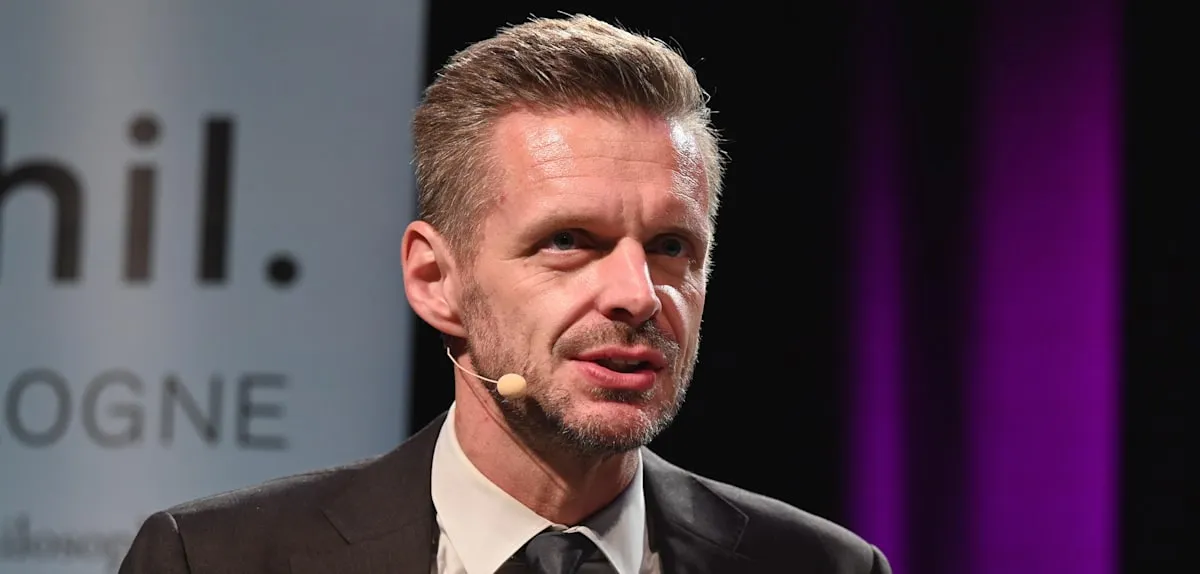
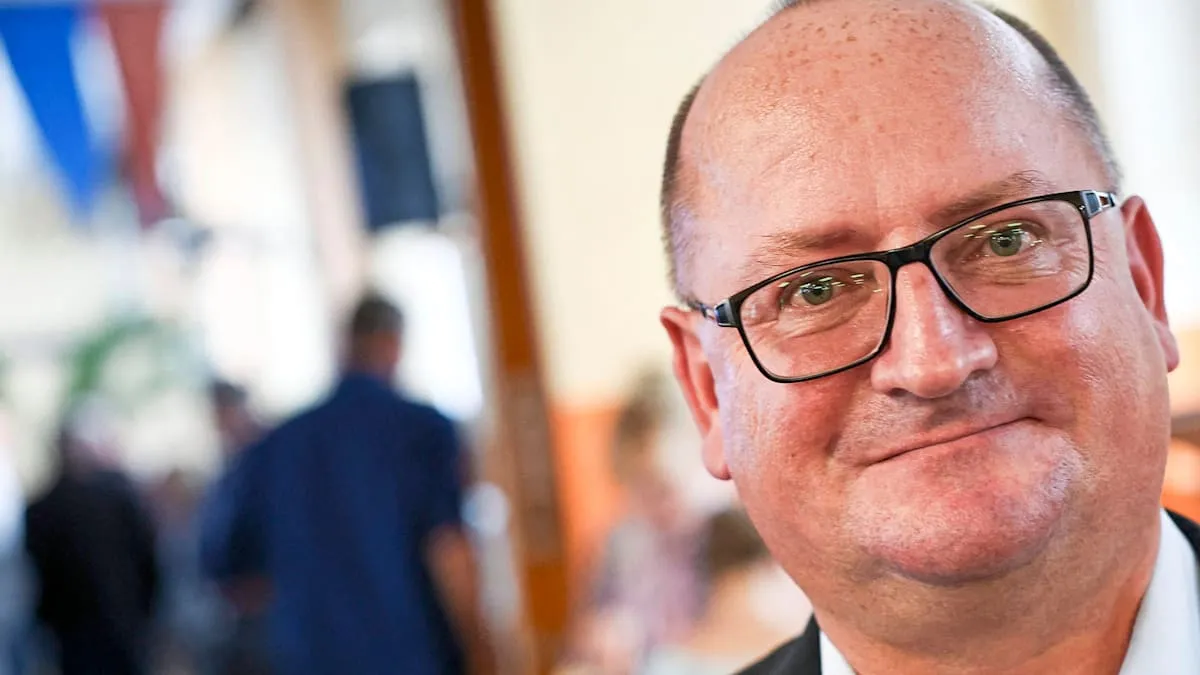
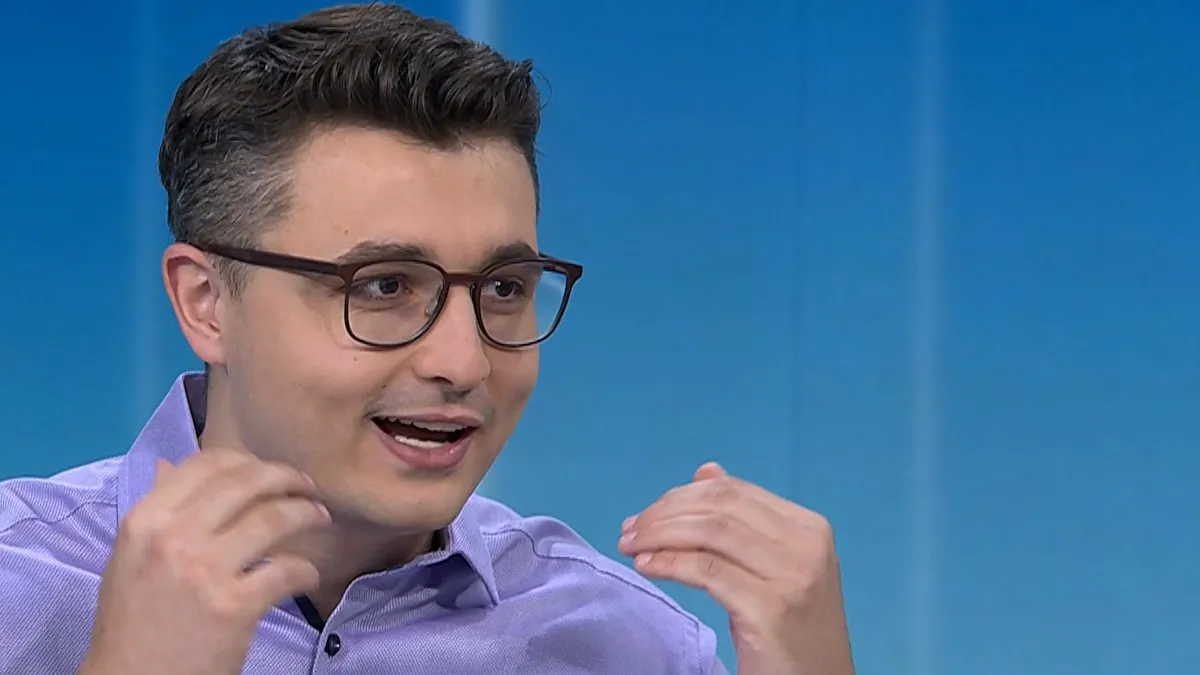
BERLIN – Prominent German cabaret artist, Florian Schroeder, recently stirred a public uproar with sharp criticism directed at a segment of the East German populace. His provocative remarks highlight contradictions in their perspectives on the state, democratic systems, and relations with Russia, sparking widespread debate across Germany's political and social landscape.
Schroeder, known for his satirical style and astute observations, did not shy away from using strong language to articulate his analysis. His most controversial statement was, The irony is, you want exactly this paternalism, referring to a mentality he labels as Jammer-Ossis or whining Easterners.
This issue is not new. Following Germany's reunification in 1990, social and economic tensions between the Western and Eastern regions have frequently been a focal point. Schroeder appears to be touching upon these old wounds, alleging that despite numerous complaints about the system, there is also a tendency to expect intervention or direction from authorities.
The critique specifically targets an ambivalent attitude towards democracy. He accuses certain groups in East Germany of showing dissatisfaction with the liberal democratic system, yet simultaneously not entirely rejecting forms of more centralized or even authoritarian control familiar from the past.
Another aspect highlighted by Schroeder is the perception of Russia. In the current geopolitical context, views on Russia in Germany are divided. However, Schroeder claims that among the Jammer-Ossis, there is an excessive sympathy for Moscow, which clashes with Western democratic values and German foreign policy.
This perspective, according to Schroeder, reflects a longing for, or at least a comfort with, a more structured and state-centric order, contrasting sharply with individual freedoms and responsibilities in a democratic society.
Schroeder's statements immediately triggered diverse reactions. Some commended his courage in vocalizing sensitive issues rarely discussed openly. They argue that such criticism is necessary to encourage introspection and constructive dialogue concerning social integration in Germany.
However, many also condemned him, accusing Schroeder of overgeneralization and insensitivity towards the unique challenges faced by East Germans post-reunification. This criticism is seen as divisive and only deepening the existing chasm.
German Member of Parliament, Petra Schmidt, stated, Generalizing millions of individuals based on an artist's views is reckless. The challenges in East Germany are far more complex and require solutions beyond provocative rhetoric.
Indeed, several social and economic analyses indicate that East Germany continues to face structural issues, such as labor shortages and economic disparities, which can fuel public dissatisfaction. This cabaret artist's critique might be a symptom of deeper underlying problems.
The debate surrounding Florian Schroeder's remarks is not merely about differing opinions, but also highlights the complexities of German identity post-reunification. This struggle involves historical legacies, expectations of the state, and Germany's position in a continuously turbulent international arena.
Editorial Insight: Florian Schroeder's sharp criticism, despite its controversy, successfully reignited a fundamental debate about integration and identity in Germany. This is not just a matter of comedy but a reflection of deep-seated sociopolitical tensions, particularly ahead of the upcoming federal elections. The public response indicates that the issue of differences between the Western and Eastern regions remains a sensitive point requiring a comprehensive approach, rather than mere stigma, to achieve true national cohesion.