 Stefani Rindus
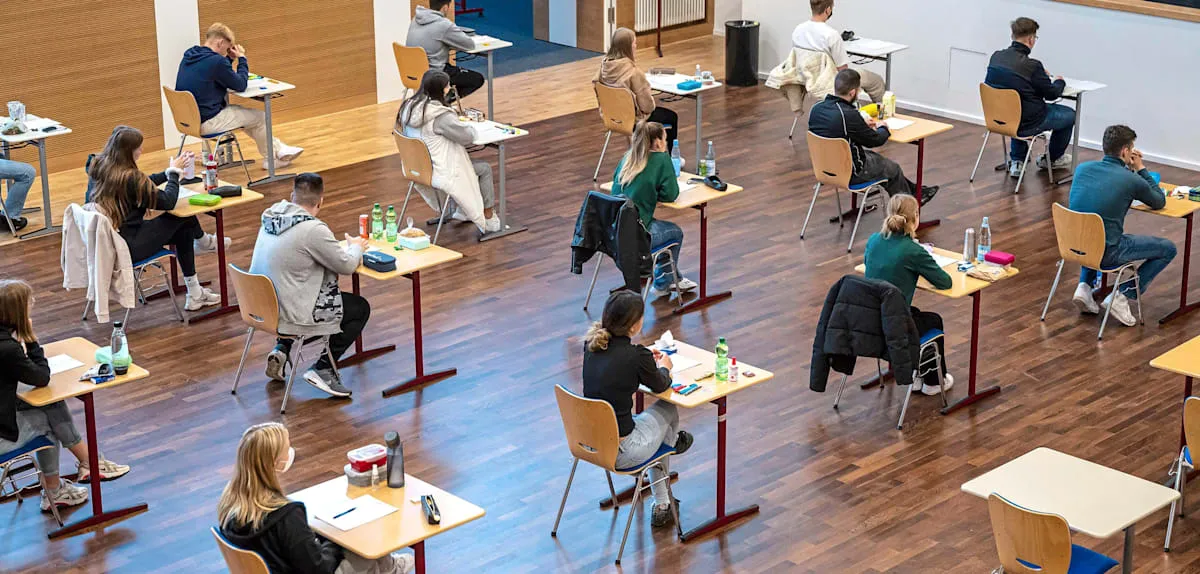
HAGENOW – A massive failure rate has hit core subjects at Hagenow Gymnasium, Germany, sparking serious concerns about the quality of education. Startling data reveals over 90 percent of students failed their basic math course, with 14 of them receiving an absolute zero. A similar situation occurred in the basic oral German language course, which recorded a 50 percent failure rate, igniting a national debate about the effectiveness of Germany's education system in 2026.
The basic math scores at Hagenow Gymnasium are truly alarming. More than nine out of ten students failed to meet the passing standards. The 14 students who received zero points indicate a fundamental gap in understanding basic concepts, raising critical questions about teaching methods and student preparedness.
A similar phenomenon, albeit at a slightly lower rate, was observed in the basic oral German language course. Half of the total participants failed this evaluation. This suggests that the academic problems are not limited to exact sciences but extend to humanities subjects, which are crucial for communication and cultural understanding.
The German public, particularly parents and education stakeholders in Hagenow, have expressed deep disappointment. The question of how this could happen has become a central focus in local discussions and national media. Demands for a thorough investigation and concrete steps to prevent recurrence are growing stronger.
Hagenow Gymnasium, as one of the secondary education institutions in Mecklenburg-Vorpommern, is now under immense pressure. Its reputation is at stake due to unprecedented failure rates. This incident compels school and regional authorities to conduct deep introspection.
Some education experts suggest that the problem stems from a curriculum that may be too ambitious or teaching methods that are less adaptable to the needs of modern students. Conventional learning models may no longer be effective in addressing the challenges of the digital age, where digital literacy and critical thinking are increasingly important.
Furthermore, students' readiness to follow subject matter is also a factor. Learning gaps that may have arisen from periods of remote learning in previous years, or a lack of academic support outside school hours, could contribute to declining performance.
This incident in Hagenow is not an isolated case; it potentially reflects a broader issue within the German education system. Although Germany is known for high academic standards, this case indicates significant disparities in quality between regions or types of schools. For instance, Germany's Educational Breakthrough: Magdeburg-Stendal Gets New Female Rector in 2026 demonstrates a commitment to innovation, but fundamental challenges persist.
Regional and federal Education Ministries are expected to respond promptly to this crisis. The formation of an independent investigation team and a review of curricula and graduation standards will likely be initial steps. Psychological support for affected students also needs consideration.
Long-term implications of a large number of students failing basic subjects could affect their future, as well as the availability of skilled labor in Germany. An economy dependent on innovation and technology requires a solid educational foundation.
Collaboration between schools, parents, and the community is key to overcoming this crisis. Initiatives for additional tutoring, mentorship programs, and improved communication between teachers and parents can create a more supportive and inclusive learning environment.
Editorial Insight: The grade crisis at Hagenow Gymnasium is a wake-up call for the entire German education system. This incident demands more than just partial fixes; a comprehensive structural evaluation of pedagogy, curriculum, and student support is necessary. Fundamental failures in key subjects like mathematics and language represent a serious threat to Germany's future global competitiveness if not addressed immediately with bold and visionary policies.