 Edward DP Situmorang
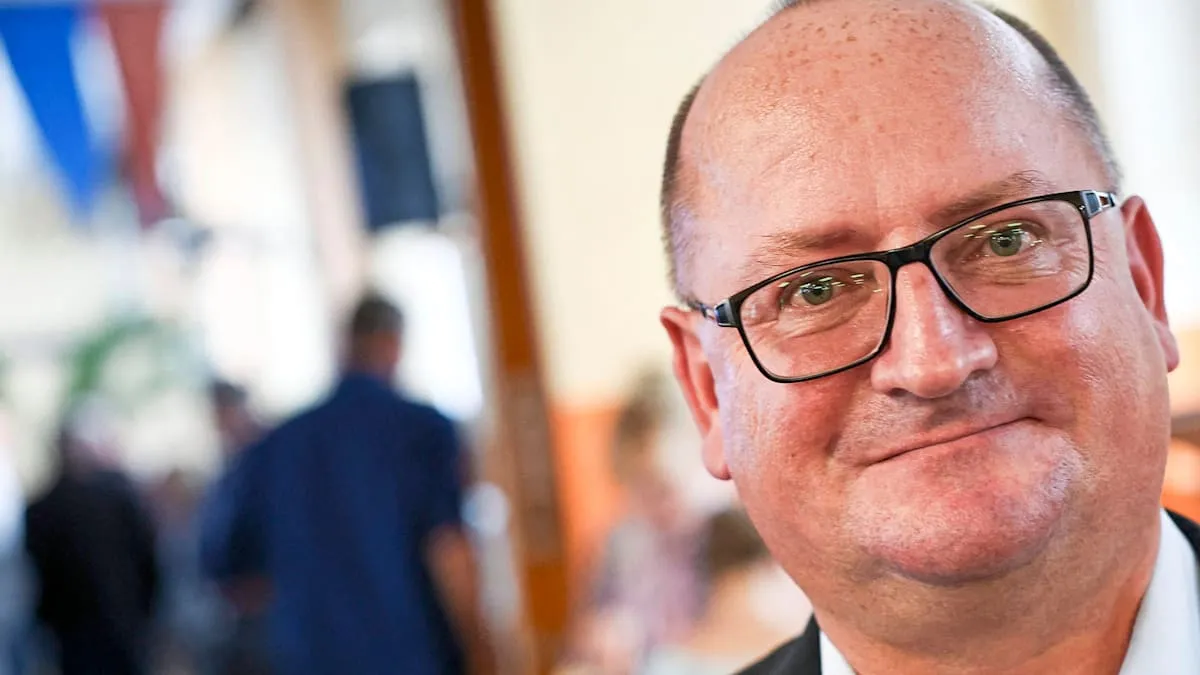
PARIS – Isabelle Laffont, Head of the Conference of Deans of Medicine in Europe, is urging the adoption of a universal charter of good practices within university environments. This call aims to address deviations in alternative medical practices, with primary concerns including financial exploitation and sectarian tendencies that could harm patients.
Laffonts firm statement, delivered through an exclusive interview with the newspaper Le Monde in 2026, highlights the urgency of strict regulation. This regulation is needed for various complementary and alternative medicine (CAM) modalities often introduced in academic settings. The objective is clear: to shield the public from unnecessary harm.
The Conference of Deans of Medicine (Conference des doyennes et doyens de medecine), an influential body representing leading medical education institutions, actively advocates for the highest ethical and scientific standards. They acknowledge the growing popularity of CAM modalities but simultaneously recognize the risk gaps that must be addressed.
While many alternative practices offer potential benefits when applied correctly, the lack of adequate regulation creates loopholes for irresponsible practitioners. This situation poses serious risks, particularly concerning the diagnosis and treatment of severe medical conditions that fundamentally require an evidence-based approach.
Laffont emphasized the imperative for undeniable transparency and accountability. In her quote, she stated, 'Patients must be protected from financial exploitation and sectarian tendencies associated with certain practices.' This statement reaffirms the essential commitment to maintaining the integrity of the medical profession and public trust.
The integration of alternative medical practices into university curricula or academic environments requires strict oversight and robust methodology. This is crucial to ensure that every method taught or practiced is based on verifiable scientific evidence and does not deviate from universal medical ethical principles.
This proposed charter of good practices is not intended to outright reject all forms of alternative medicine. Instead, it aims to create a clear framework that distinguishes between practices supported by credible science and those that could potentially harm or mislead patients.
Discussions regarding the regulation of alternative practices have been ongoing for a long time and have become a hot topic in various European countries. However, a call from an authoritative figure like Isabelle Laffont adds significant weight to the discussion, prompting a more concrete response from relevant health and education authorities.
Public education is also a crucial component of patient protection strategies. The public needs to be equipped with accurate and fact-based information to make wise health decisions and to recognize signs of questionable or unethical practices.
Close collaboration among academic institutions, health regulators, and professional associations is vital to achieve this goal. This multi-sectoral approach will ensure the effective, comprehensive, and sustainable implementation of the charter for the well-being of patients.
Editorial Insight: Isabelle Laffonts perspective reflects a widespread concern among medical professionals regarding the proliferation of practices with minimal scientific basis. The adoption of such a charter has the potential to revolutionize the landscape of alternative medical education and practice across Europe. This step would not only strengthen public trust in the healthcare system but also curb the greater potential harm from unregulated practices. It is a progressive and much-needed step for the future of medicine.