 Edward DP Situmorang
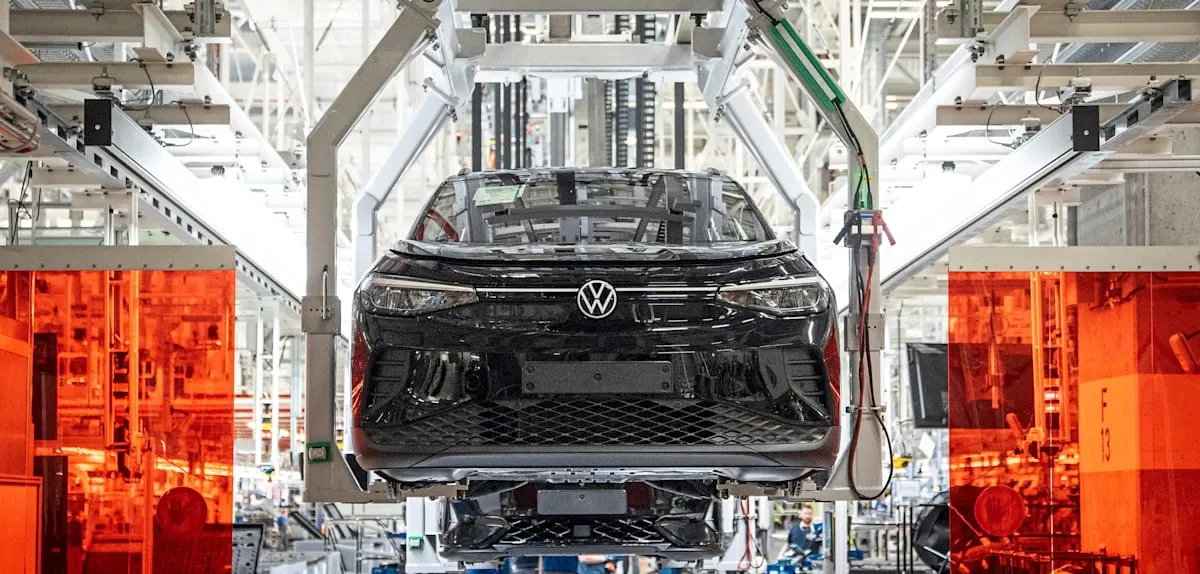
WOLFSBURG – Following months of intense dispute, the Volkswagen Supervisory Board has finally approved a critical rescue plan for the automotive giant. This pivotal decision includes the drastic elimination of 50,000 job positions worldwide, a monumental step aimed at ensuring the company's long-term viability amidst the global economic challenges of 2026. Despite the sweeping cuts, four specific plants have been granted a temporary reprieve, escaping immediate closure.
The restructuring blueprint, championed by CEO Oliver Blume, received the green light from the Supervisory Board after exhaustive negotiations, underscoring the severity of the company's financial predicament. These extreme austerity measures are deemed a bitter but essential remedy to restore Volkswagen's profitability and competitive edge in an increasingly fierce global market.
The elimination of 50,000 positions is far from a trivial number. It represents one of the largest corporate layoffs in recent history, signaling a significant paradigm shift in Volkswagen's operational strategy. While a substantial portion of these cuts will occur through early retirement and non-renewal of contracts, direct redundancies in some divisions are regrettably unavoidable.
Affected employees now face an uncertain future, compelling them to adapt to the new realities of the labor market. Germany's powerful trade union, IG Metall, has voiced deep concern and pledged to ensure the process is conducted as fairly as possible for its members.
In stark contrast to the fate of tens of thousands of workers, four production facilities successfully averted total shutdown, earning a 'grace period' or an opportunity to demonstrate their efficiency potential. Though not explicitly detailed, this decision likely stems from strategic considerations such as vital production lines, geographical advantages, or adaptability to emerging technologies, particularly electric vehicles.
This decision follows months of tug-of-war between management, the board of directors, and employee representatives. Heated discussions revolved around the magnitude of cost reductions required and their potential impact on thousands of families reliant on Volkswagen. Energy crises and global supply chain disruptions in preceding years exacerbated the urgency for radical change.
Oliver Blume, Volkswagen CEO, had previously underscored that without aggressive restructuring, the company's future would be severely jeopardized. 'We are at a crossroads,' he stated during a recent virtual press conference. 'Our choice is to adapt or fall behind. This decision, albeit difficult, is the only path to long-term sustainability.'
Volkswagen's move also reflects a broader trend within the global automotive industry. Automakers worldwide are under immense pressure to transition to electric vehicle production, invest heavily in software development, and automate manufacturing processes, all of which necessitate workforce restructuring.
Similar phenomena are evident across other sectors. For instance, amid the wave of digitalization, analysis indicates that The 2026 Media Revolution: Springer CEO Predicts Human Renaissance in the AI Era, where technological shifts also trigger massive workforce adaptations. Volkswagen, as a key player in the manufacturing sector, is no exception to this tide of change.
The ramifications of these job cuts are expected to ripple through various economic strata, from the local economy of Wolfsburg to the federal level in Germany. Despite efforts to mitigate social impact, an increase in unemployment figures in regions heavily reliant on VW plants is unavoidable.
Volkswagen, with its long history as a pillar of the German economy, now faces one of its most significant trials in decades. The successful implementation of this restructuring plan will determine whether the automotive giant can maintain its position as an innovator and a key player on an increasingly competitive global stage.
This transformation also implies a shift in the company's investment priorities, with a greater focus on technological innovation and production efficiency. Moving forward, Volkswagen is expected to emerge leaner, more agile, and better prepared to navigate the challenges of the new mobility era.
Editorial Insight: Volkswagen's sweeping restructuring decision demonstrates that even corporate giants are not immune to market pressures and technological shifts. The elimination of 50,000 jobs is a significant price paid for the company's survival. It also serves as a stark warning to other industries to continuously adapt, innovate, and strategically manage human resources amidst the evolving economic and technological turbulence of 2026. The success of this model will be closely observed by global stakeholders.