 Angela Stefani
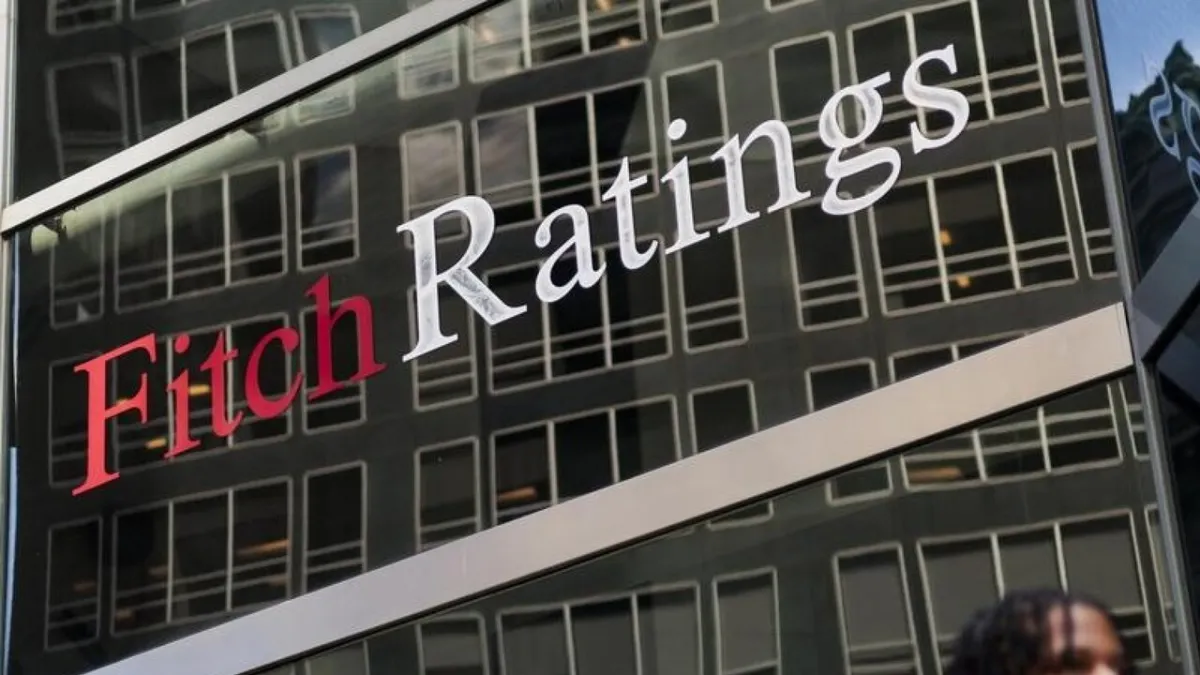
ROME – Fitch Ratings, one of the world's leading credit rating agencies, has affirmed Italy's sovereign debt rating at BBB+ with a stable outlook. This decision follows a comprehensive evaluation of the country's macroeconomic conditions and political environment, where recent political stability is considered a strong foundation for maintaining the nation's credit profile.
The BBB+ rating indicates that Italy is still regarded as a country with adequate investment quality, though not without risk. Global investors view this rating as a crucial indicator of a country's ability to meet its financial obligations in the medium to long term. The stable outlook suggests that Fitch does not foresee any significant factors that would alter the rating in the near future.
The rating agency explicitly stated that 'recent political stability has represented an element of solidity' for Italy. This statement underscores the crucial role of consistent leadership and measured policies in bolstering market confidence and maintaining fiscal sustainability amidst volatile global economic dynamics.
Italy's economy, as one of the largest in the European Union, continues to grapple with structural challenges, including high public debt levels and moderate growth. However, ongoing reform efforts and the absorption of EU recovery funds have provided vital impetus. The Italian government has proactively formulated policies to enhance competitiveness and attract investment.
This affirmation of the BBB+ rating with a stable outlook is a positive signal for both domestic and international investors. It can help keep Italy's government borrowing costs manageable and encourage essential capital inflows for economic growth. Investor confidence is a key pillar in post-pandemic recovery and mitigating the impact of energy crises.
The Italian government under Prime Minister Giorgia Meloni has strived to implement a reform agenda, particularly in the justice sector, bureaucracy, and labor market. These measures, although often facing resistance, aim to improve efficiency and transparency, which in turn will strengthen the country's economic foundations.
Despite progress, fiscal challenges persist. Italy's debt-to-GDP ratio remains a primary concern, placing the country in a vulnerable position to external shocks. Fitch will continue to closely monitor how the government balances public spending needs with budgetary discipline to reduce this debt burden.
Stability in Italy also has a strong resonance within the Eurozone. As an important member state, Italy's economic performance and political stability influence overall regional market sentiment. This Fitch decision has the potential to alleviate concerns that might arise from global uncertainty.
The stable outlook indicates Fitch's expectation that Italy will be able to maintain its credit profile over the projection period, provided there is no significant deterioration in economic conditions or extreme political turmoil. The focus will remain on the implementation of structural reforms and prudent fiscal management.
In the financial sector, this stability also supports consolidation and strengthening measures for Italian banks. This is evident in the dynamics of the domestic banking market, including important agreements involving institutions such as Intesa Sanpaolo. Confidence in the national banking system is crucial for maintaining the flow of credit to businesses and households.
Editorial Insight: Fitch's decision to affirm Italy's BBB+ rating with a stable outlook is more than just a numerical assessment; it reflects recognition of the government's significant efforts in maintaining political cohesion amid complex economic challenges. This signals relative optimism about Italy's ability to manage its debt and pursue reforms, although structural challenges and fiscal pressures still require continuous attention. Going forward, the sustainability of the reform agenda and responsiveness to global economic conditions will be key determinants of Italy's economic trajectory.