 Angel Doris
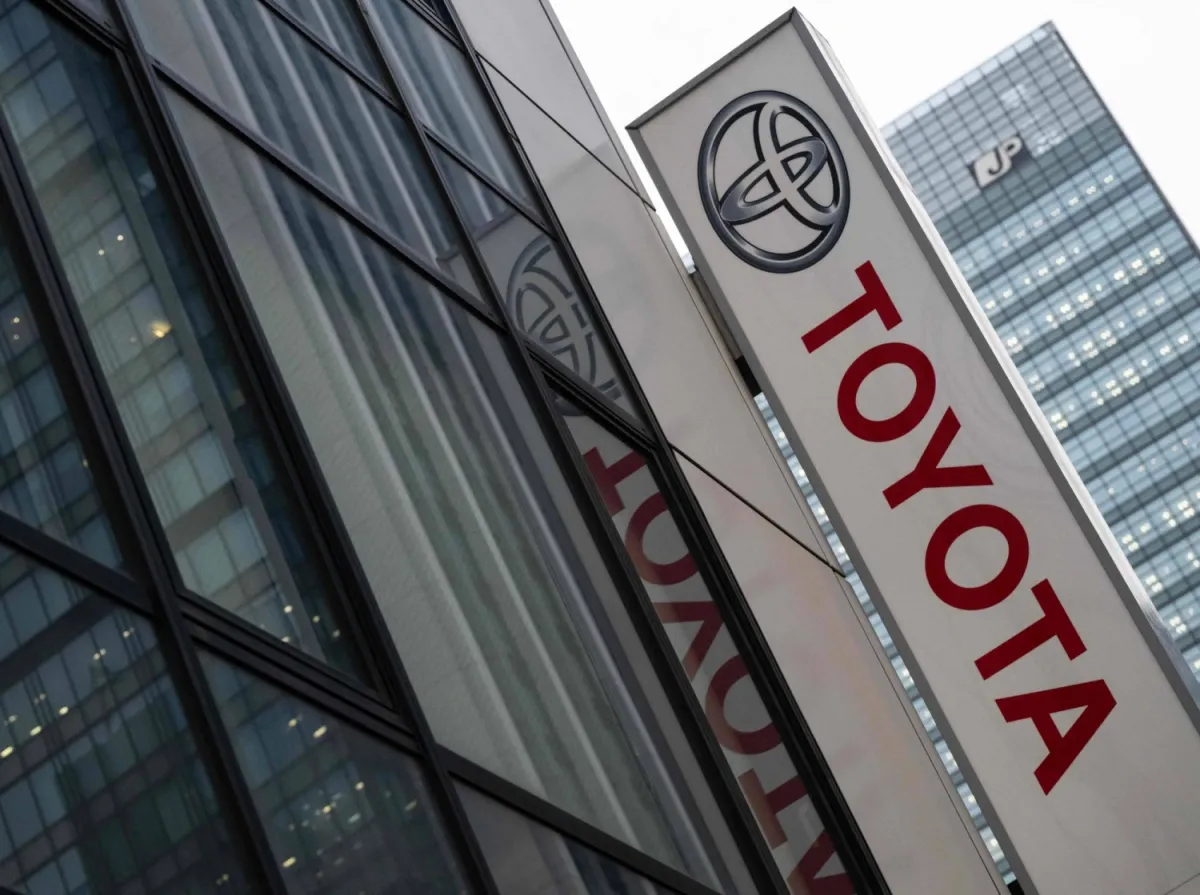
TOKYO – Toyota Motor Corporation, the world's largest automotive manufacturer, has surprisingly revised upward its net profit forecast for the 2026 fiscal year, marking a significant increase from its previous projection. This upward revision, announced in the third quarter of the current year, is driven by robust global demand for their products and the positive impact of a weakened Japanese yen.
The company now targets a net profit of ¥3.57 trillion, a substantial increase from its initial estimate of ¥3.25 trillion released last August. This optimistic revision underscores Toyota's resilience amidst global economic fluctuations and persistent supply chain challenges facing the industry.
The depreciation of the yen against the US dollar and other major currencies has been a key catalyst for Toyota's export performance. With production costs in yen remaining relatively stable, revenues from overseas sales, when converted back to the Japanese currency, yield significantly higher returns. This phenomenon directly boosts the company's profit margins on a global scale.
Besides currency factors, strong demand for various Toyota vehicle models in key global markets also plays a vital role. Despite recessionary concerns in some regions, consumers continue to show high interest in Toyota vehicles, both conventional and electrified offerings.
Market analysis indicates that Toyota's strategy of offering a diverse range of vehicles, including efficient hybrids and battery electric vehicles, caters to varied consumer preferences. This contrasts with some competitors who might be overly focused on a single market segment.
Various operational efficiency efforts and disciplined cost management have also contributed to this improved profitability. Toyota is known for its lean and adaptive production system, enabling them to respond quickly and effectively to market changes, even while facing challenges in securing certain component supplies.
Economists view Toyota's increased profit forecast as a positive indicator for the Japanese economy as a whole, particularly the manufacturing sector. Strong export performance from giants like Toyota can underpin economic growth amid global inflationary pressures.
This condition also generates positive sentiment among investors on the Tokyo stock exchange, although they continue to monitor potential risks such as rising raw material prices or geopolitical upheavals. Toyota's success in boosting profits highlights the importance of continuous adaptation and innovation in the dynamic automotive industry.
Despite the bright outlook, Toyota remains vigilant about ever-changing market dynamics. The transition to a fully electric vehicle era, intense competition from Chinese manufacturers, and semiconductor supply sustainability issues remain key areas of management focus for the long term.
Toyota's optimism, demonstrated through this profit revision, sends a strong signal to the global market that the company remains on a solid growth trajectory, thanks to a combination of shrewd strategy and favorable macroeconomic conditions.
Editorial Insight: Toyota's increased profit forecast for 2026 is more than just a number; it reflects a combination of sound business strategies and favorable market conditions. The weaker Japanese yen has indeed been a significant external driver, providing a competitive edge for exporters. However, it is crucial to note that the robust global demand for Toyota products, which contrasts with the situation of battered retail investors in China, demonstrates solid product fundamentals. This is also similar to Sony's surging profit performance during the same period. Moving forward, Toyota's biggest challenge will be balancing growth from its hybrid and internal combustion engine (ICE) segments with the massive investments required for accelerating the transition to electric vehicles (EVs), where competition is intensifying, including innovations like Kia's electric camper van or the development of Lexus TX1 luxury pickup. This performance will serve as a crucial benchmark for the global automotive industry. Geopolitical conflicts and commodity price fluctuations could also pose obstacles requiring extra attention from Toyota's management.