 Chris Robert
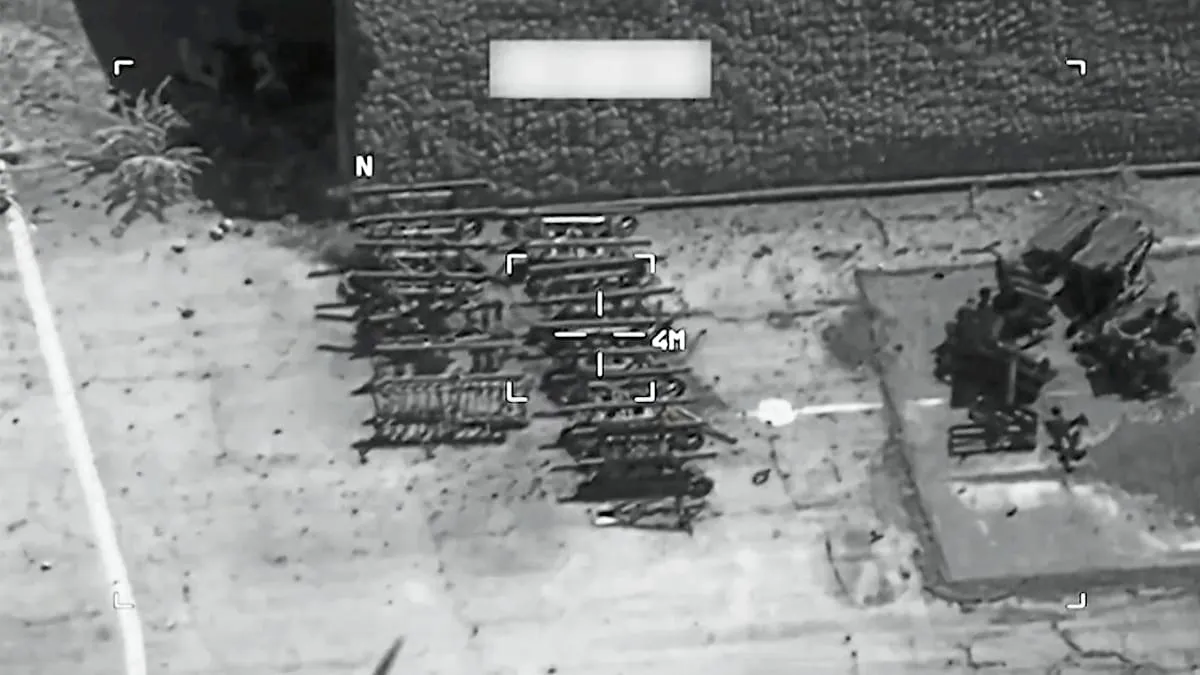
WASHINGTON — The United States military has once again launched a series of airstrikes against targets in Iran, marking the 12th consecutive wave of aggression. This escalation unfolds amidst heightened tensions in the Middle East in 2026, with US President Donald Trump having previously intensified his rhetoric and threats against Tehran, while also firmly refuting Iranian claims regarding related incidents.
This latest wave of attacks occurred at night, following the pattern of previous strikes over nearly two weeks. The focus of the US military operation this time reportedly targeted infrastructure allegedly linked to Iran's nuclear program development or military capabilities, which Washington deems a threat to regional stability.
Pentagon officials, unnamed but close to the operation, affirmed that all targets were carefully selected military facilities to minimize civilian casualties and avoid uncontrolled escalation. "We are acting defensively and responsively to the continuous threats posed by the Tehran regime," an official stated.
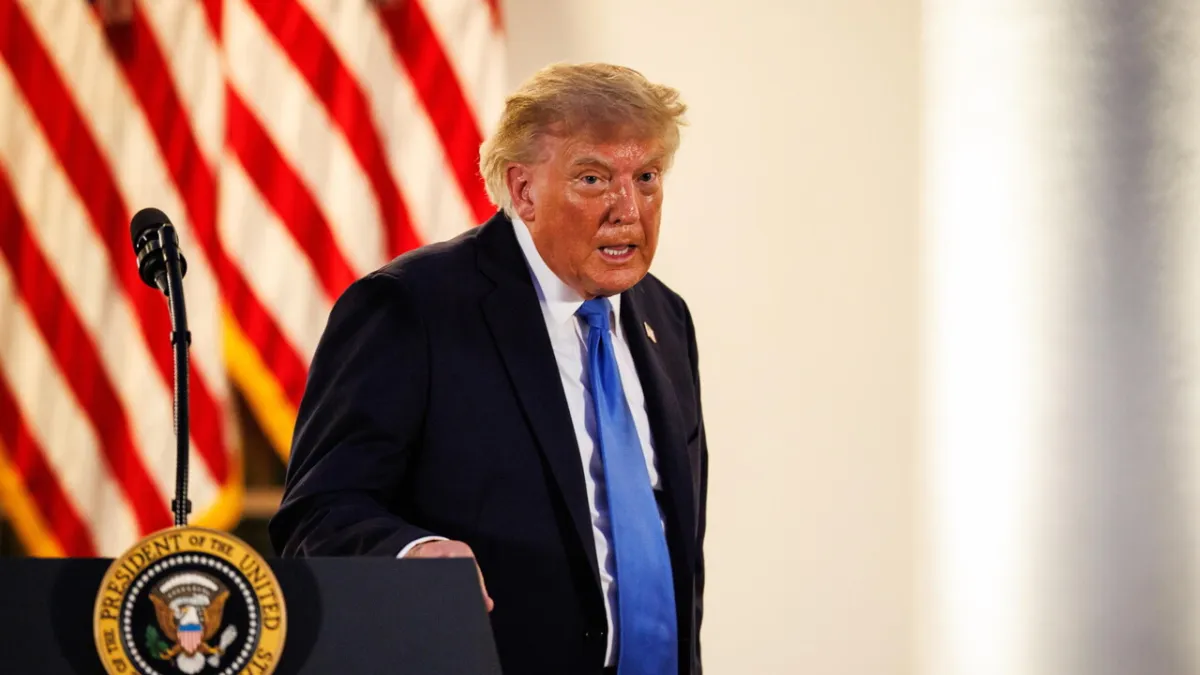
The increased military activity comes after President Trump reiterated his tough stance on Iran. In a speech to his supporters last week, President Trump declared, "We will not allow Iran to develop nuclear weapons, not now, not ever. Their threats will be met with force never before seen."
Specifically, Washington also publicly denied reports originating from Tehran. These reports, disseminated through Iranian state media, claimed that the Iranian navy successfully repelled a US attack in the Strait of Hormuz or even shot down an American drone.
"That is false information, a fabrication designed to boost domestic morale and deceive the international community," said US Department of Defense Spokesperson, Rear Admiral John Kirby, during a virtual press conference on Tuesday (XX/XX/2026). "There were no significant incidents in the Strait of Hormuz involving US forces that went unreported, and all our aerial assets are secure."
Counter-claims from Tehran are often part of the information strategy in this protracted conflict. Geopolitical analyst Dr. Sarah Miller from Georgetown University commented, "Both Washington and Tehran frequently leverage narratives to consolidate their respective positions, but direct refutations like this indicate a high level of issue sensitivity."
This incident adds to the long list of tensions between the two nations, which have persisted for decades. Since the US withdrawal from the Iran nuclear deal in 2018 and the re-imposition of economic sanctions, diplomatic relations between both sides have continuously deteriorated, frequently marked by military incidents and proxy wars in the region.
Nevertheless, some in the international community are calling for de-escalation. UN Secretary-General Antonio Guterres, in a statement, urged all parties to exercise restraint and return to the negotiating table to seek a sustainable peaceful solution for global stability.
The situation on the ground indicates increased vigilance. Tehran reportedly activated its air defense systems fully in anticipation of further potential attacks, while US naval units in the Persian Gulf remain on high alert.
The economic impact of this conflict is also beginning to be felt. Global oil prices show significant volatility, triggering concerns about disruption to world energy supplies. Investors are closely monitoring every development, fearing the crisis could spill over into the global financial sector.
The US Congress is not immune to the upheaval either. Fierce debates over military budget allocations and Middle East strategy continue, with some members of Congress expressing concerns about the potential for US involvement in a full-scale conflict.
This situation further complicates diplomatic efforts that have been ongoing for years. Mediation attempts by other countries, such as Oman and Switzerland, now face severe challenges due to the increasingly confrontational stance from both sides.
The continuous tension places the Middle East region on the brink of a larger crisis. The international community urges dialogue, but signs of de-escalation remain unseen, making the prospect of peace increasingly grim in 2026.