 Gabriella
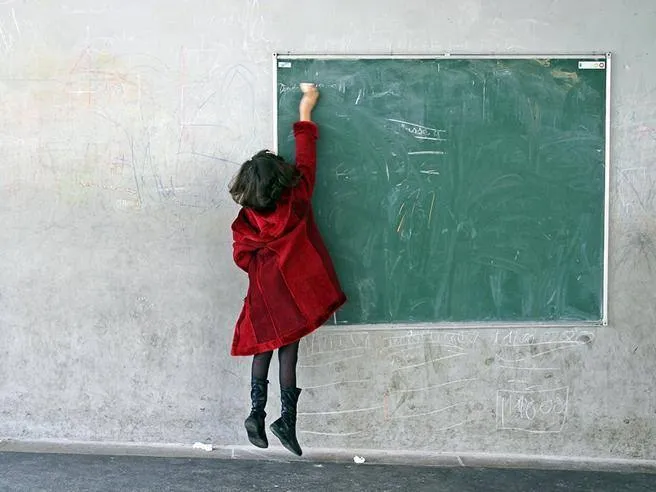
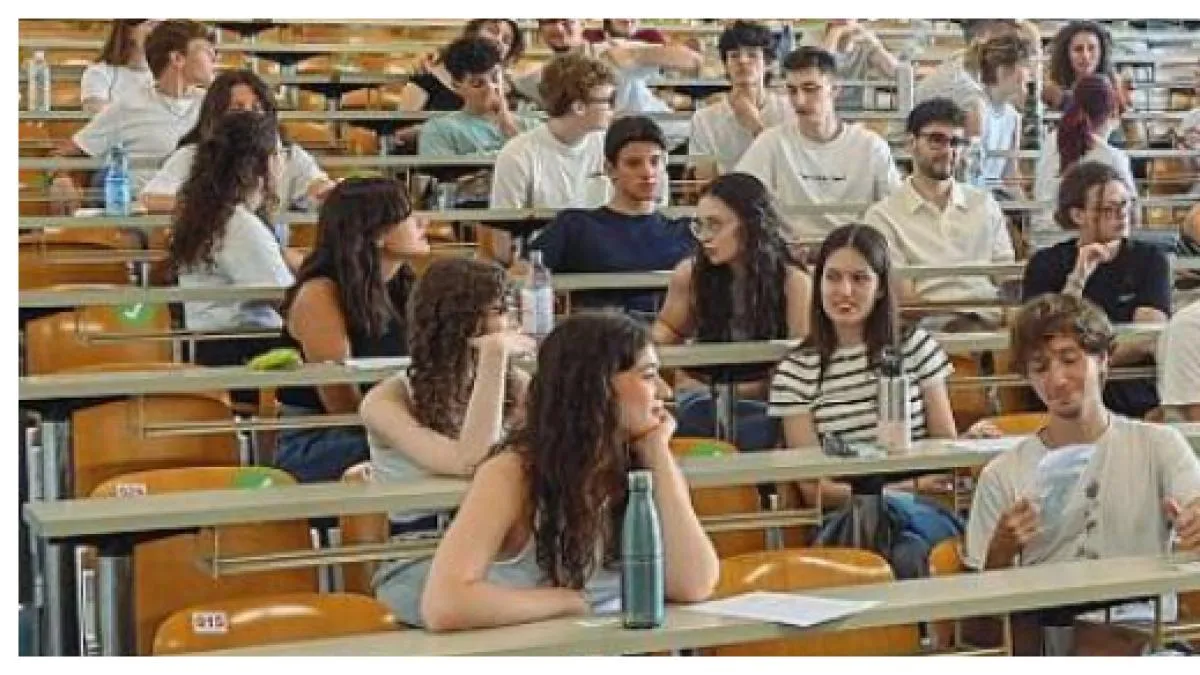
ROME – Fondazione Agnelli, a leading research institution in Italy, has made waves in the education sector with a revolutionary proposal for an inclusive support system in 2026. This model, termed the inclusive chair, emphasizes the presence of a single, highly competent, and trained teacher to serve the entire class, not just students with special needs. This innovative approach, which has undergone promising experimental phases, aims to enhance the quality of teaching and learning for all students comprehensively.
Currently, challenges in inclusive education often revolve around fragmented support, where support teachers are frequently detached from the main classroom dynamics. This condition sometimes creates stigma and hinders the full integration of students with special needs, while also reducing opportunities for classroom teachers to develop inclusive pedagogy independently.
Fondazione Agnelli's proposal offers a fundamental solution by integrating the role of the support teacher into the function of the classroom teacher. This means that a professional with specialized qualifications will be fully responsible for all students in one class, including those requiring additional support. This demands a leap in quality in teacher preparation and training.
The experimentation phase of the inclusive chair model has been carried out in several educational institutions with encouraging results. Researchers noted a significant improvement in student engagement, both academically and socially. The classroom atmosphere became more collaborative and adaptive to diverse learning styles.
Data from the experiment indicates that this model not only benefits students with special needs but also enhances the achievement and sense of belonging for other students. Those who previously felt marginalized are now more integrated, while other students benefit from more adaptive and personalized teaching methods.
Education experts involved in the project assert that success lies in the quality and capacity of teachers. A well-prepared teacher will be a bridge for all students to reach their best potential, creating an equitable and inspiring learning environment, stated one of the project coordinators from Fondazione Agnelli.
This model firmly positions the teacher as the primary learning facilitator capable of responding to individual needs without separating students. This approach is expected to minimize the gap between special and general education, forming a holistic learning ecosystem.
Implementing this proposal demands comprehensive reforms in teacher training programs. Universities and teacher training institutions need to adjust their curricula to produce educators who not only master subject matter but also possess deep expertise in inclusive pedagogy and multicultural classroom management.
However, significant challenges loom. Funding for intensive teacher training programs, recruitment of qualified educators, and potential resistance to changes in established systems pose serious obstacles. In this regard, conditions in other countries like Berlin also show similar education crises, where high teacher workload and lack of support lead to hundreds of teachers suffering from chronic illnesses, as revealed in the news Berlin Education Crisis: Hundreds of Teachers Chronically Ill, Workload Under Scrutiny. This underscores the need for sustained investment and commitment.
If successfully implemented broadly, the inclusive chair proposal has the potential to become a blueprint for national education policies in Italy and an inspiration for other European countries. This could be a progressive step towards realizing truly equitable and accessible education, where every child has an equal opportunity to thrive.
Editorial Insight: Fondazione Agnelli's proposal is not merely a methodological change but a profound educational philosophy. By focusing on the quality of a single, comprehensive teacher, this model holds significant potential to end fragmentation in inclusive education and build a stronger foundation for learning equality. Its success hinges on political will and sustained investment in educator capacity development. This is a crucial step towards a more humane and effective education system in the modern era.