 Gabriella
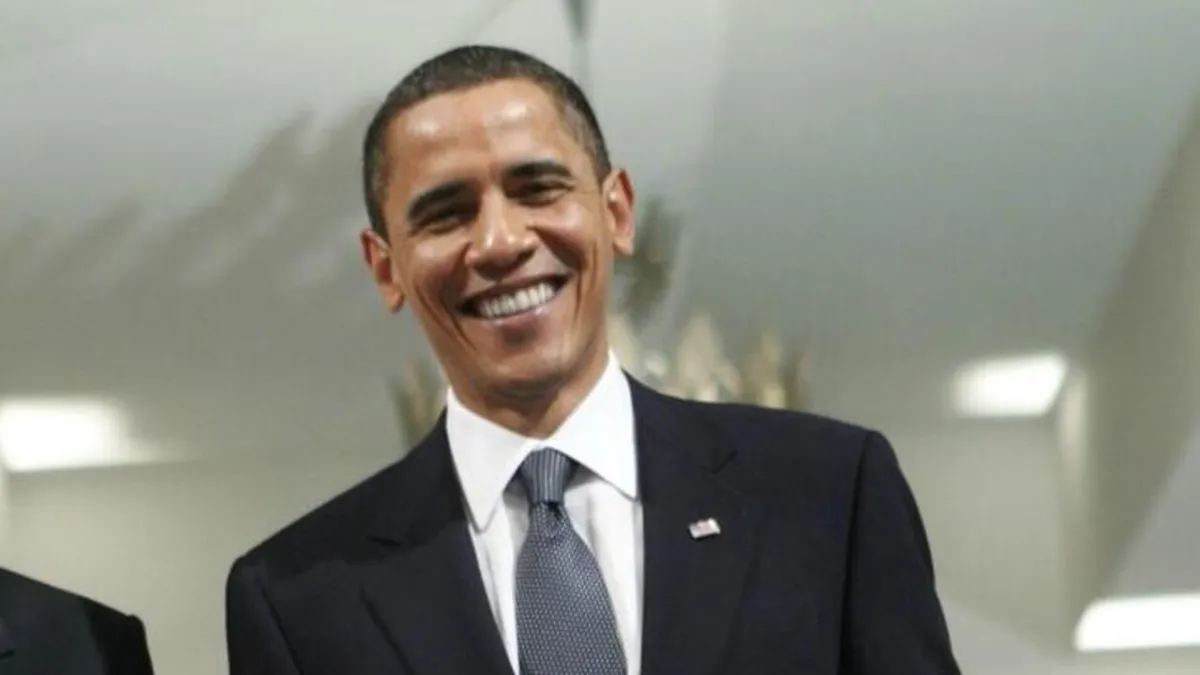
OSLO – Since the beginning of the 21st century, the Norwegian Nobel Committee has consistently awarded the Nobel Peace Prize to individuals and organizations relentlessly striving for humanity and reconciliation. The list of recipients reflects complex global geopolitical dynamics, from the diplomatic efforts of UN Secretary-General Kofi Annan to the advocacy for women's rights and education by Malala Yousafzai, culminating in the award to Venezuelan pro-democracy activist Maria Corina Machado in 2025. This award marks a vital point in the narrative of the global struggle for justice and lasting peace.
In 2001, Kofi Annan, along with the United Nations, was awarded the Nobel for their tireless work towards a more organized and peaceful world. This underscored the importance of multilateralism and the UN's role in responding to global challenges.
A year later, former US President Jimmy Carter received the award for his decades of tireless efforts to find peaceful solutions to international conflicts, advance democracy and human rights, and promote economic and social development across various parts of the world.
The fight against nuclear proliferation also garnered attention. Mohamed ElBaradei and the International Atomic Energy Agency (IAEA) received the Nobel in 2005 for their efforts to prevent nuclear energy from being used for military purposes, while ensuring the safest possible use of atomic energy for peaceful ends.
Climate change issues entered the realm of peace when Al Gore, former US Vice President, along with the Intergovernmental Panel on Climate Change (IPCC), was awarded the Nobel in 2007. They were recognized for their efforts to build and disseminate greater knowledge about human-made climate change and to lay the foundations for the measures needed to counteract such change.
US President Barack Obama was awarded the Nobel in 2009 for his extraordinary efforts to strengthen international diplomacy and cooperation between peoples. This award sparked various global discussions regarding its impact.
The struggle for human rights in China was recognized through Liu Xiaobo in 2010, for his long and non-violent struggle for fundamental human rights. His award became a symbol of resistance against oppression.
The European Union also received the Nobel in 2012 for its more than six decades of contributing to the advancement of peace and reconciliation, democracy, and human rights in the Blue Continent after two devastating world wars.
The Organization for the Prohibition of Chemical Weapons (OPCW) received the award in 2013 for its extensive efforts to eliminate chemical weapons, affirming international commitment to the disarmament of deadly weapons.
In 2014, Malala Yousafzai of Pakistan and Kailash Satyarthi of India shared the Nobel for their struggle against the suppression of children and young people and for the right of all children to education, an important recognition of fundamental rights.
The Tunisian National Dialogue Quartet was awarded the Nobel in 2015 for its decisive contribution to the building of a pluralistic democracy in Tunisia in the wake of the 2011 Jasmine Revolution, an example of a peaceful transition to democratic governance.
The International Campaign to Abolish Nuclear Weapons (ICAN) won the Nobel in 2017 for its work in drawing attention to the catastrophic humanitarian consequences of any use of nuclear weapons and for its groundbreaking efforts to achieve a treaty-based prohibition of such weapons.
In 2018, Denis Mukwege of the Democratic Republic of Congo and Nadia Murad of Iraq were awarded the Nobel for their efforts to end the use of sexual violence as a weapon of war and armed conflict, highlighting atrocities that often go unnoticed.
The World Food Programme received the award in 2020 for its efforts to combat hunger, its contribution to improving conditions for peace in conflict-affected areas, and for acting as a driving force in efforts to prevent the use of hunger as a weapon of war and conflict.
Finally, in 2025, Maria Corina Machado became a global focal point. This Venezuelan political activist was awarded the Nobel Peace Prize for her tireless struggle to restore democracy and civil rights in Venezuela. This award underscores the importance of dissenting voices in confronting authoritarianism and the hope for a peaceful transition to a more just society.
Editorial Insight:
Peace is a dynamic concept, requiring adaptation in its definition and appreciation. The Nobel Committee has shifted its focus, appreciating not only efforts to cease wars but also struggles against social injustice, climate crises, and threats to democracy. The award to Maria Corina Machado in 2025 clearly underscores the committee's pivot towards democratic struggles in nations facing internal political pressure, asserting that true peace cannot be achieved without the fundamental freedoms of its citizens. This is a strong signal that efforts to uphold human rights and democracy at the forefront of the fight against authoritarian regimes are increasingly recognized as core pillars of global peace.