 Angela Stefani
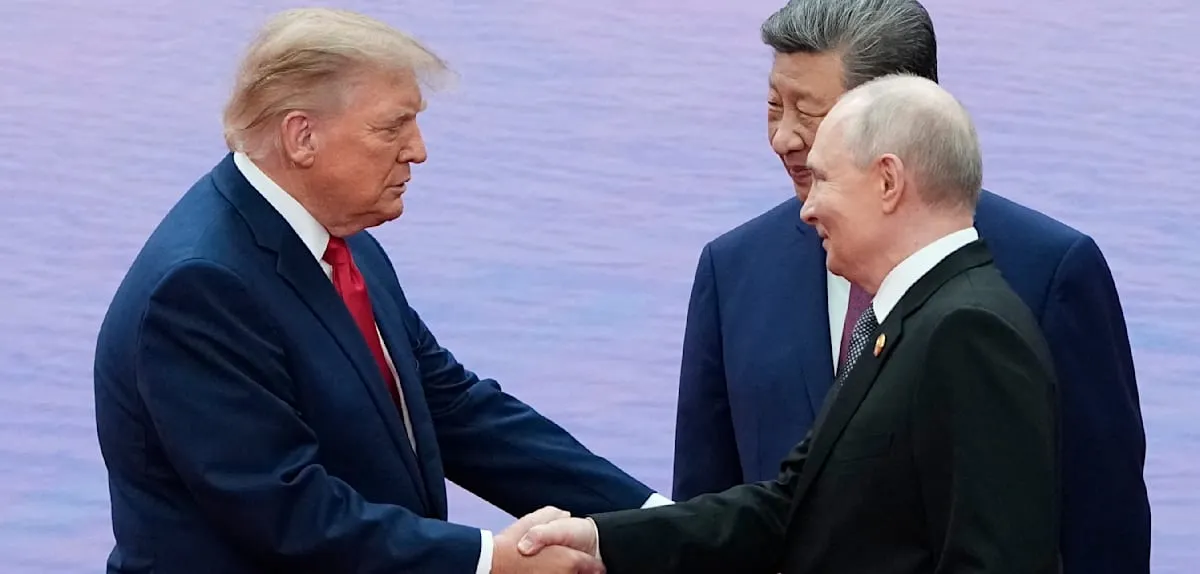
SHENZHEN – The world watches with a mix of hope and apprehension as United States President Donald Trump, Chinese President Xi Jinping, and Russian President Vladimir Putin convened for a historic summit in Shenzhen in 2026. This gathering of three global superpowers sparked intense speculation about a potential redivision of global spheres of influence, evoking parallels to the Yalta Conference following World War II. This summit could fundamentally reshape the international geopolitical order.
Europe, in particular, expressed profound unease. Observers on the continent worry that this summit has the potential to redraw the world map of influence, marginalizing the role of other global actors. This anxiety is well-founded, considering the long history of major agreements between great powers often determining the fate of many nations without their direct participation.
The primary agenda of the closed-door meeting in China's innovation metropolis is believed to encompass crucial issues such as regional stability, arms control, global trade, and responses to ongoing crises. Speculation about negotiations behind closed doors further strengthens the notion of a shifting center of world diplomacy, a point highlighted in the article Beijing Dares: Xi, Putin, and Trump, The World's Diplomatic Hub Shifts.
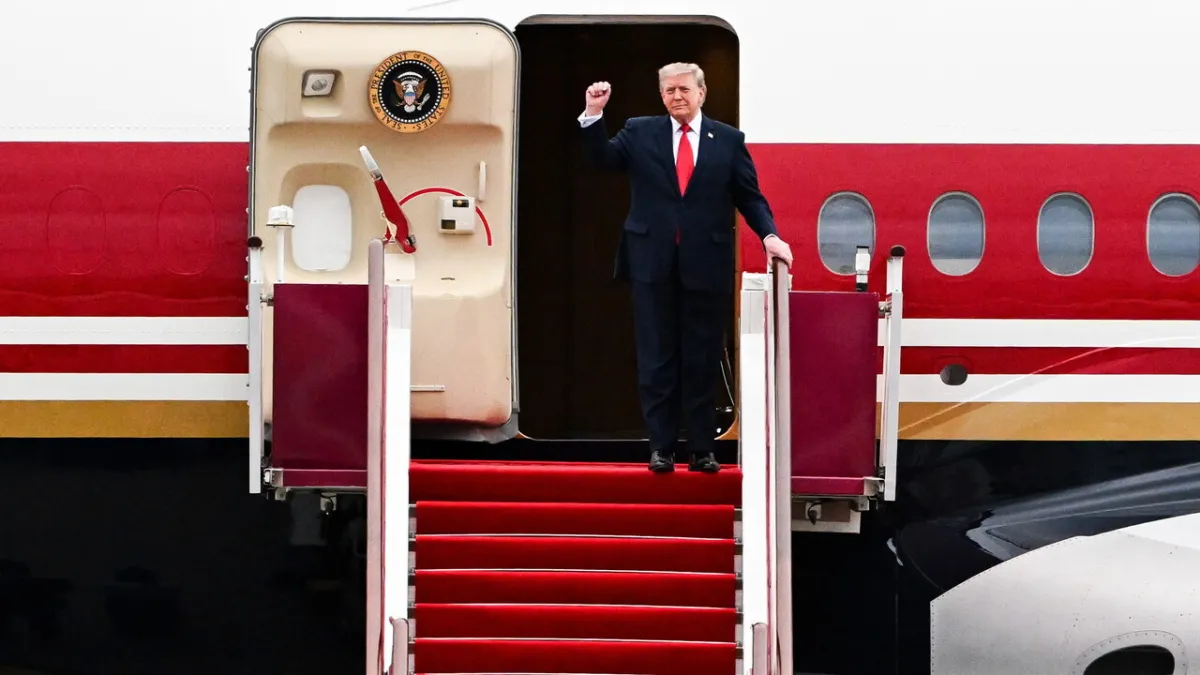
President Trump, who returned to office in 2025, is known for his pragmatic diplomatic approach, unhesitant in engaging directly with leaders of nations often considered rivals. His participation in Shenzhen demonstrates the United States' readiness to negotiate head-on regarding even the most complex issues.
For China, hosting such a summit reaffirms its undeniable status as a global power. President Xi Jinping further asserted China's leadership in shaping international dialogue, even embracing Trump in a moment that transcended protocol. This moment was highlighted in the article Diplomatic History: Xi Jinping Embraces Trump in Shenzhen, Exceeding Protocol.
President Putin of Russia, through his participation, seeks to strengthen his country's position on the global stage. Russia continues its efforts to position itself as a key player in the world's security architecture, capable of mediating or influencing sensitive issues across various regions.
The choice of Shenzhen as the meeting venue also carries symbolic significance. This city, known as a hub of innovation and technology, may imply that discussions are not solely focused on traditional geopolitics but also include technological dominance, the digital economy, and global cyber regulations.
One of the widely discussed topics is the potential impact on ongoing conflicts, particularly in Eastern Europe. The presence of these three major leaders raises questions about possible collective pressure or clandestine agreements that could affect dynamics in areas like Ukraine. Kiev is reportedly awaiting the outcomes of the Shenzhen handshake with apprehension, as reported in Rare Shenzhen Moment: Trump, Putin, and Xi Shake Hands, Kiev Awaits Pressure.
The economic implications of this summit cannot be ignored either. Any agreement, whether formal or informal, could reshape global trade flows, cross-border investments, and supply chains, affecting financial markets and industrial sectors worldwide.
While the specific details of the negotiations remain shrouded in secrecy, the signal emanating from the meeting is clear: a multipolar world order is gaining strength, and these superpowers are willing to engage in direct dialogue to chart the future of global geopolitics. The world now awaits announcements or consequences from a summit that could become a historical turning point of the 21st century.
Editorial Insight: The meeting of these three major powers in Shenzhen marks a pivotal moment in global dynamics. More than just negotiations, it is a statement that the era of unilateral dominance has concluded and great power negotiation is once again the norm. While concerns about the division of influence exist, there is also potential for new stability through direct dialogue, provided that the interests of all parties are fairly considered, not just a select few powers. Its effects will be felt in the coming decades, reshaping global alliances and priorities.