 Chris Robert
BERLIN – The Alternative for Germany (AfD) party has ignited a fierce debate across Germany after controversially labeling modern architecture as un-German. This statement, emerging a century after the peak of modernism in Europe, has launched what is being called a new Kulturkampf or culture war, targeting the foundations of national identity through the lens of architectural aesthetics.
The AfD, known for its nationalist agenda, has openly questioned the legitimacy of architectural styles that have dominated Germany's urban landscape for decades. The party's narrative centers on the claim that contemporary designs, with their minimalist lines and functionality, fail to reflect the authentic soul and tradition of German architecture.
This discourse is not limited to mere aesthetic criticism. Many speculate that it represents an attempt to solidify a narrow political view that manipulates cultural history for electoral gain heading into 2026.
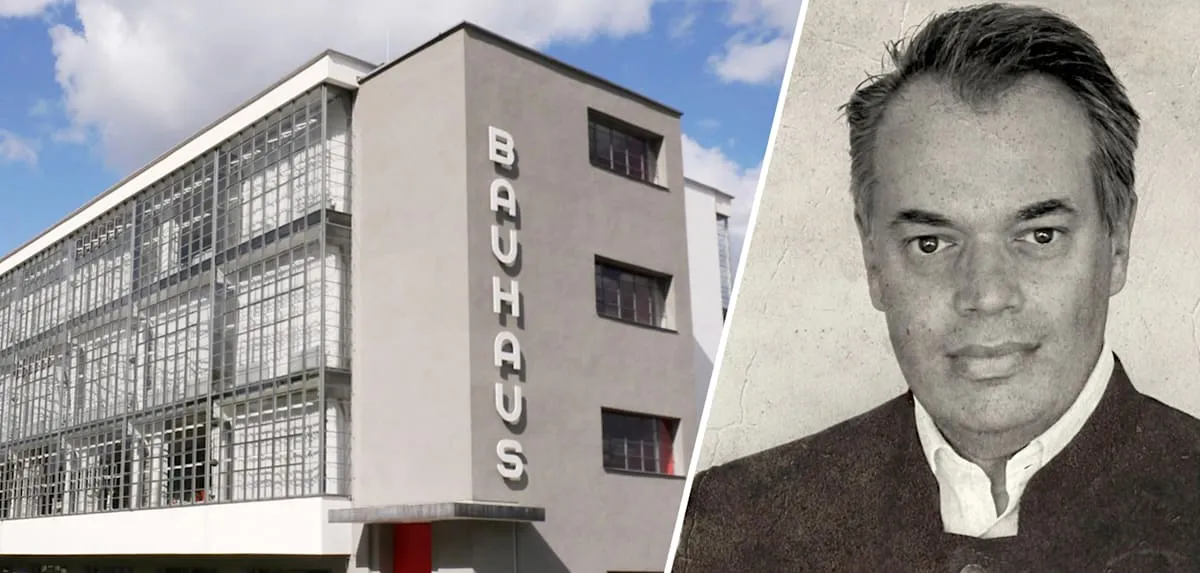
The phrase after 100 years refers to the post-World War I period when the Bauhaus movement and functional modernism gained a strong foothold in Germany. Architecture from that era represented a break with imperial traditions and a search for a new identity after significant upheaval.
This period was marked by radical innovations in design and construction, often interpreted as symbols of progress and rationality, yet also criticized as impersonal or alien by conservative groups at the time.
Now, a century later, the AfD seeks to revive similar sentiments, reinterpreting architectural heritage as an arena for ideological battle. A statement from an unnamed but widely quoted AfD spokesperson declared, we will not allow Germany to lose its face to characterless buildings that betray our history.
The party appears to capitalize on public unfamiliarity with the nuances of architectural history, simplifying a complex issue into an easily digestible narrative fraught with prejudice. They hope the public will accept a narrow, politically constructed view of German culture. This strategy echoes populist political strategies in Sachsen-Anhalt, where identity issues are often leveraged to garner support.
Prominent art historians and architects immediately condemned the AfD's statements, calling them a distortion of history and an attempt to politicize the arts. They argue that German architecture has always been the result of diverse influences and dynamic evolution.
The idea of a homogeneous and pure German architecture is a dangerous myth, stated Professor Lena Schmidt of Humboldt University, Berlin. Our history is rich with a blend of styles and innovation, not stagnant isolation. Criticism also came from opposition parties, who accused the AfD of diverting attention from substantive issues by creating unnecessary cultural controversies. This phenomenon also raises concerns about the use of culture as a tool for political ends, a tactic often seen in identity debates in other European countries.
Editorial Insight: The AfD's move to politicize modern architecture as un-German is a clever yet dangerous strategy. It demonstrates how populist parties continue to innovate in exploiting public sentiment and identity uncertainties within European societies. Instead of focusing on concrete solutions, they opt for a culture war that relies on prejudice, risking reducing important discussions about cultural heritage to a platform for political polarization. The credibility of their arguments will be tested by historians and experts, but its polarizing impact may have already taken deep root at the grassroots level.