 Chris Robert
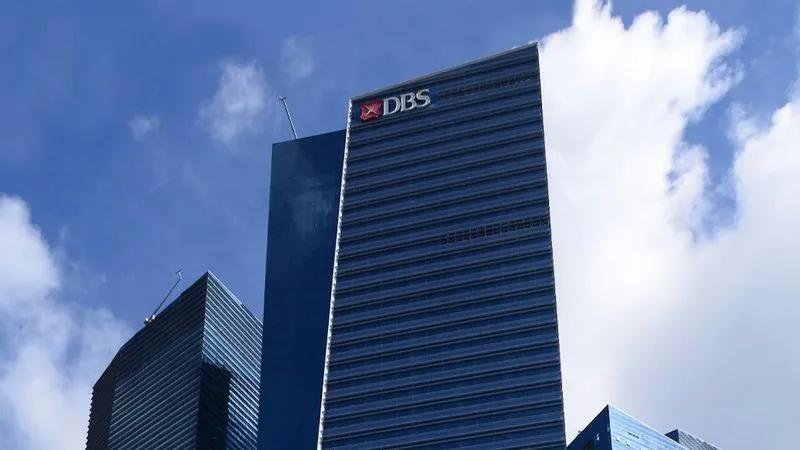
SINGAPORE – Circle, a leading issuer of the USDC stablecoin, has forged a strategic partnership with DBS Bank Singapore, one of Asia's largest financial institutions. This collaboration will allow DBS's institutional clients to directly purchase and redeem USDC, signaling an acceleration in the adoption of digital assets within Asia's increasingly competitive banking ecosystem in 2026. The move also highlights a significant trend where banks across Asia are actively developing their own digital payment systems powered by blockchain technology.
This innovative step comes as the global financial landscape continues to shift towards digitalization. USDC, as a stablecoin pegged to the US dollar, offers stability and efficiency in cross-border transactions, making it an attractive option for institutions seeking modern payment infrastructure. Direct integration streamlines intermediaries, reduces costs, and enhances transaction settlement speed for corporate entities.
DBS, known as a pioneer in adopting new technologies in the banking sector, views USDC as a crucial bridge to the future of decentralized finance. By providing direct access to the stablecoin, the bank not only addresses client needs for digital assets but also positions itself at the forefront of global payment innovation. This is a proactive response to the growing market demand for blockchain-based financial solutions.
The partnership between Circle and DBS does not occur in a vacuum. Across Asia, major banks are racing to create their own blockchain-powered digital payment systems. This competition is driven by the potential for efficiency, security, and scalability offered by distributed ledger technology. Such initiatives have the potential to redefine how funds move across national borders.
This phenomenon aligns with broader discussions regarding the future of money and the role of digital assets in the real economy. As more traditional financial institutions embrace blockchain technology, the legitimacy and broader acceptance of cryptocurrencies, especially stablecoins, continue to grow. This collaboration could serve as a blueprint for other banks looking to enter the digital asset arena in a secure and regulated manner.
DBS's provision of direct USDC purchase and redemption services underscores its commitment to the evolving digital financial ecosystem. Institutional clients now have an efficient pathway to convert fiat to USDC and vice versa, opening new opportunities for more efficient cash management, remittances, and international trade transactions.
This development also warrants close attention given the continually evolving digital asset regulatory dynamics across various jurisdictions. Singapore, with its progressive regulatory framework, has become an innovation hub for financial technology and blockchain companies. Partnerships like this demonstrate how institutions can operate within regulatory boundaries while pushing technological limits.
In a related context, several blockchain initiatives within the global financial sector have shown significant progress. For instance, reports indicate how Hyundai is testing AI agents on JPMorgan's blockchain for a trade revolution in 2026. This underscores the urgency for banks not just to adapt but to innovate.
Furthermore, the overall crypto market dynamics also need consideration. While Bitcoin and other crypto markets may face regulatory volatility in 2026, stablecoins like USDC tend to offer the stability sought by institutions.
Here are some key aspects driving the adoption of blockchain payment systems by banks in Asia:
- Transaction Efficiency: Reducing settlement times from days to seconds or minutes.
- Lower Costs: Eliminating intermediaries and expensive legacy infrastructure.
- Transparency and Auditability: Immutable transaction records on a distributed ledger.
- Financial Inclusion: Potential to reach unbanked or underserved populations.
- Fraud Resistance: Cryptographic security and the decentralized nature of blockchain.
This initiative confirms that the future of global payments is no longer solely the domain of non-bank fintech players. Traditional banking institutions are now aggressively leveraging the power of blockchain to maintain their relevance and competitiveness. A new era of institutional digital payments in Asia is at the threshold.
Editorial Insight: The Circle-DBS partnership is a strong indicator of a paradigm shift in institutional finance. This is not merely technology adoption, but a strategic repositioning of traditional banks to become central to a regulated digital asset ecosystem. Competition in developing blockchain payment systems across Asia will intensify, driving innovation that will ultimately benefit end-users through improved efficiency and security. However, cross-border regulatory challenges and interoperability between systems remain critical tasks to achieve mass adoption.