 Dorry Archiles

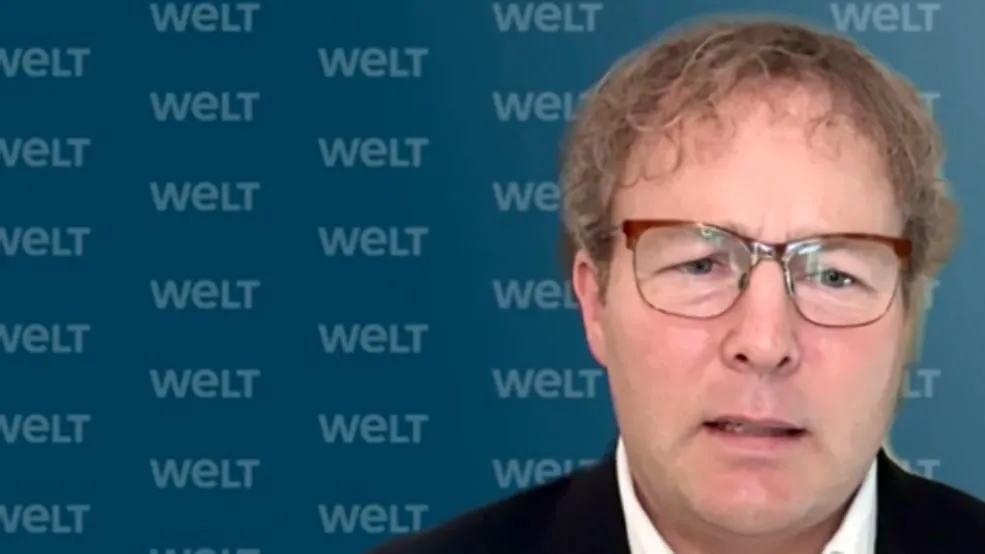
BERLIN – Maximilian Krah, a Member of Parliament from the Alternative for Germany (AfD) party, recently made a surprising statement, labeling maximal demands related to 'remigration' as a counterproductive policy. This statement, emerging in 2026, marks a substantial shift in the rhetoric of a key AfD figure, sparking a fierce debate regarding the party's strategy in addressing immigration issues.
Krah's change of stance has not only captured public attention but also raised significant questions about the future direction of AfD's policies. 'Remigration' has traditionally been understood as the mass repatriation of foreign nationals or German citizens with immigrant backgrounds, a concept often championed by hardline factions within the nationalist party.
In his explanation, Krah argued that his party needs concrete, implementable solutions rather than merely maximalist rhetoric. This statement indicates an emerging pragmatism among some AfD politicians, a signal that could alter the party's internal dynamics.
Krah's declaration of counterproductivity could potentially temper AfD's efforts to attract moderate voters, while simultaneously challenging the popular narrative that has long been the backbone of their campaigns. Such internal criticism is rarely voiced openly, making its implications highly significant.
Krah's move is inseparable from the continuous political pressure on AfD, especially following the wave of mass demonstrations against right-wing extremism that swept Germany some time ago. The party faces intense scrutiny and legal challenges, such as reports related to AfD Shakes Berlin: 2027 Budget Lawsuit Threat Triggers Constitutional Crisis?, forcing it to reassess some of its strategies.
The concept of remigration, often a sensitive issue in Germany, refers to the idea of returning non-German citizens to their countries of origin. For many, this term echoes xenophobic and anti-immigrant sentiments, frequently associated with the far-right spectrum of politics.
By rejecting maximal demands, Krah appears to be attempting to position AfD as a party seeking real solutions, not merely advocating rigid ideologies. This could be a strategy to distance the party from the extremist stigma that has long been attached to it.
Reactions within AfD itself to Krah's statement are expected to be varied. Some may view it as a wise step to broaden the voter base, while others might condemn it as a betrayal of core party principles. Internal divisions are not new to AfD, and this incident has the potential to deepen them.
Amidst Germany's increasingly complex political landscape in 2026, where immigration, economy, and integration are hot topics, every statement from a political figure carries its own weight. Krah's remarks could influence public debate and change how other parties respond to similar issues.
Whether this shift in rhetoric will become a new trend within AfD or remains merely Krah's individual perspective is yet to be seen. However, it clearly indicates turbulent internal dynamics within a party that has gained significant popularity in recent years.
Editorial Insight: Maximilian Krah's statement regarding the counterproductivity of 'remigration' is a significant indicator of the internal and external pressures facing AfD. This narrative shift may aim to modernize the party's image or respond to increasing public criticism. However, this move also risks alienating a core voter base that adheres to more hardline stances, thus the future of AfD's immigration strategy warrants close observation. This could be the beginning of a larger tactical or even ideological shift within the party.