 Gabriella
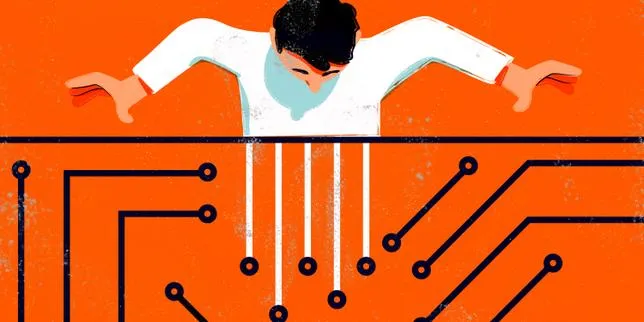
JAKARTA – The main phase of higher education selection for millions of students worldwide has just concluded, but not with a sense of relief. Instead, this process has left a deep anxiety among young people haunted by a fundamental question: Will their chosen field of study remain relevant in the future, as Artificial Intelligence (AI) continues to surge and reshape the job landscape?
This phenomenon of fear, now widely referred to as 'FOBO' (Fear Of Becoming Obsolete), has become a central issue. Many young people are faced with the crucial dilemma of investing time and money in an education that risks becoming obsolete or even disappearing before they earn their degree.
AI's exponential development is no longer just scientific discourse but a reality that is drastically transforming industries and professions. Routine, analytical, and even creative jobs now have the potential to be automated, forcing individuals to constantly adapt or face the risk of being left behind.
The widespread anxiety is clearly captured in various surveys and discussions. Many feel they are 'guinea pigs in this new world,' where the rules of the job market are constantly changing without clear certainty. This creates significant psychological pressure on a generation that should be eagerly anticipating the future.
Higher education systems, traditionally slow to adapt, now face immense challenges. Outdated or overly specific curricula can backfire, failing to prepare students for the demands of the AI-era job market, which prioritizes flexibility, critical thinking, and lifelong learning capabilities.
Educators and policymakers are urged to overhaul their approaches. The focus is no longer on mastering a static set of skills but on developing soft skills such as complex problem-solving, creativity, collaboration, and emotional intelligence, which are still difficult for AI to replicate.
Jobs in sectors like customer service, data entry, and even parts of journalism and graphic design have already felt the initial impact of AI automation. Conversely, professions requiring intensive human interaction, ethical decision-making, and interdisciplinary innovation are likely to be more resilient.
Industries also need to invest in reskilling and upskilling their workforce. Collaboration between educational institutions and businesses is crucial to ensure the relevance of study programs and the availability of internships aligned with technological trends.
Governments in various countries, including Indonesia under President Prabowo Subianto's leadership, are beginning to initiate programs for digital talent development and AI research. However, the scale of the FOBO threat requires a more structured and massive response to protect the potential of future human resources.
This uncertainty not only affects study choices but also the mental health of young people. The burden of expectation to 'choose correctly' amid future uncertainties can trigger stress, anxiety, and even depression among students.
Therefore, open dialogue among students, educators, parents, and industry stakeholders is crucial. A better understanding of AI's evolution and its implications can help young people make more informed decisions and build resilience in the face of change.
Editorial Insight: The fear of obsolescence due to AI is a clear reflection of the speed of digital transformation. Addressing FOBO requires not only curriculum adjustments but a paradigm shift in education that emphasizes adaptability and continuous learning. The government's role in facilitating this transition through innovative policies and investment in digital infrastructure is fundamental. Failure to adapt will create serious skill gaps, while success will foster a generation ready to face the challenges of the Artificial Intelligence era.