 Gabriella
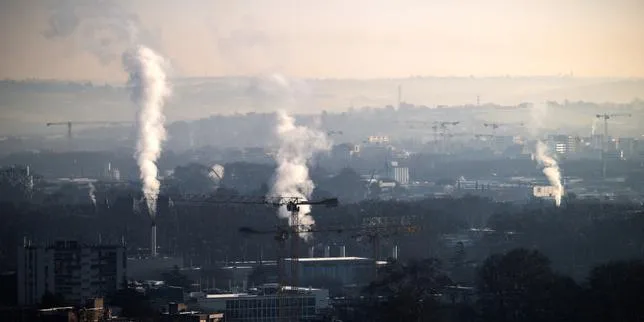
PARIS – A groundbreaking study from the World Inequality Lab recently revealed a striking correlation between air pollution and academic achievement gaps. The findings indicate that poor air quality can account for up to 25% of the disparity in exam results between students from disadvantaged socio-economic backgrounds and their more affluent peers.
The study, published after extensive research, highlights how environmental impacts on cognitive health directly affect children's learning abilities. Fine particulate pollutants not only damage the respiratory system but are also proven to influence brain development and concentration.
The research explicitly identifies that the most vulnerable group of students to the negative effects of pollution are those from low-income families. Their residential areas are often located near industrial zones, busy transportation routes, or other facilities that are significant sources of pollutant emissions.
This disparity, according to the researchers, is not merely a matter of access to quality education but is also linked to exposure to unhealthy environments. Children growing up in polluted environments face a higher risk of developing health issues such as asthma, allergies, and neurodevelopmental disorders, which in turn impede their performance at school.
Dr. Eleanor Dubois, one of the lead researchers, stated, 'We often talk about economic or access disparities. However, our findings affirm that the quality of the living environment, particularly the air we breathe, is a crucial factor that cannot be overlooked in creating educational equality.'
The implications of this study are far-reaching, urging governments and policymakers not only to focus on curriculum reform or school funding. Improving air quality must become a priority agenda in efforts to reduce social and educational inequality.
This also aligns with ongoing global education issues. A previous article, PISA 2025 Shakes France: Education System Needs Decade of Reform, shows that many countries are still struggling with similar challenges in improving education quality and equity.
Further analysis reveals that long-term exposure to air pollution can lower IQ, reduce memory capacity, and slow reaction times in children. These cumulative effects become a double burden for students from impoverished families who often have limited access to adequate nutrition and optimal healthcare facilities.
Governments need to consider more aggressive environmental policies, such as transitioning to clean energy, investing in environmentally friendly public transportation, and strict regulations on industrial emissions, especially in densely populated areas. This step is not only for public health but also for the future of the next generation.
The role of communities and educational institutions is also vital in educating the public about the dangers of pollution and how to mitigate them. Tree planting programs in schools, local air quality monitoring, and initiatives to reduce private vehicle use can be part of the solution.
This study serves as a stark warning that the fight for educational equality does not only take place within classrooms but also in the students' surrounding environment. Ensuring every child has the right to breathe clean air is the initial foundation for creating a more just and equally opportunistic future for all.
Editorial Insight:
These findings challenge conventional perspectives on the causal factors of educational inequality. The editorial board believes that governments worldwide must integrate the environmental dimension into educational policies and urban development. Ignoring air quality means ignoring the potential of a large part of the young generation, especially those already economically marginalized. Air quality is no longer just a health issue, but fundamental to social justice and vertical mobility.