 Edward DP Situmorang
WASHINGTON – The United States military is reportedly experiencing significant global weakening, leading to the withdrawal of ammunition from even friendly nations. This condition has sparked deep concern among Washington's key allies, who are now privately expressing doubts about the US's capability to control increasingly complex global threats in 2026. This situation underscores a shift in geopolitical dynamics and raises fundamental questions about superpower leadership.
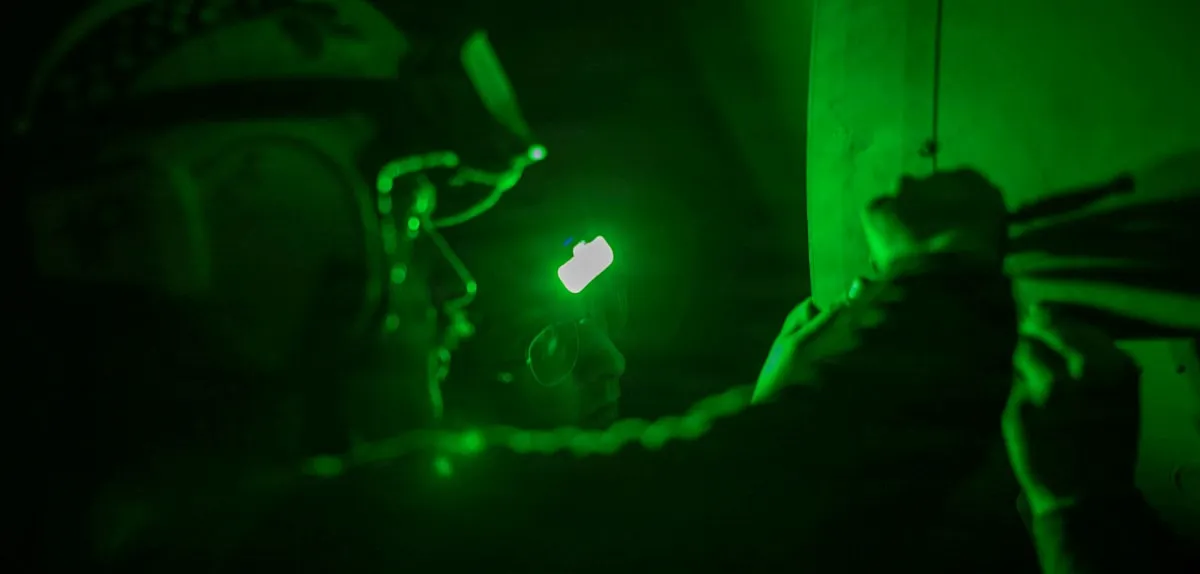
This weakening is not merely a logistical issue but a reflection of years of pressure faced by the US Armed Forces across various conflict fronts. From Eastern Europe to the Indo-Pacific region, massive troop and resource deployments have depleted strategic reserves.
Intelligence reports circulating within diplomatic circles indicate that several allied nations, particularly in Europe, are now closely observing American actions. They have noted signs of essential ammunition inventory being withdrawn from depots located in allied territories, a rare maneuver that sends worrying signals.
An anonymous source from the Ministry of Defense of a NATO member state stated, Behind closed doors, the whispers are growing louder. We wonder if Washington still possesses the capacity and willingness to act decisively if a major crisis strikes. This statement reflects widespread unease.
This phenomenon occurs amidst rising global geopolitical tensions. The prolonged conflict in Ukraine, for instance, continues to demand an uninterrupted supply of weaponry from the West, including from the United States. German bureaucracy was even mentioned as hindering crucial aid to Kyiv, illustrating the complex coordination among allies.
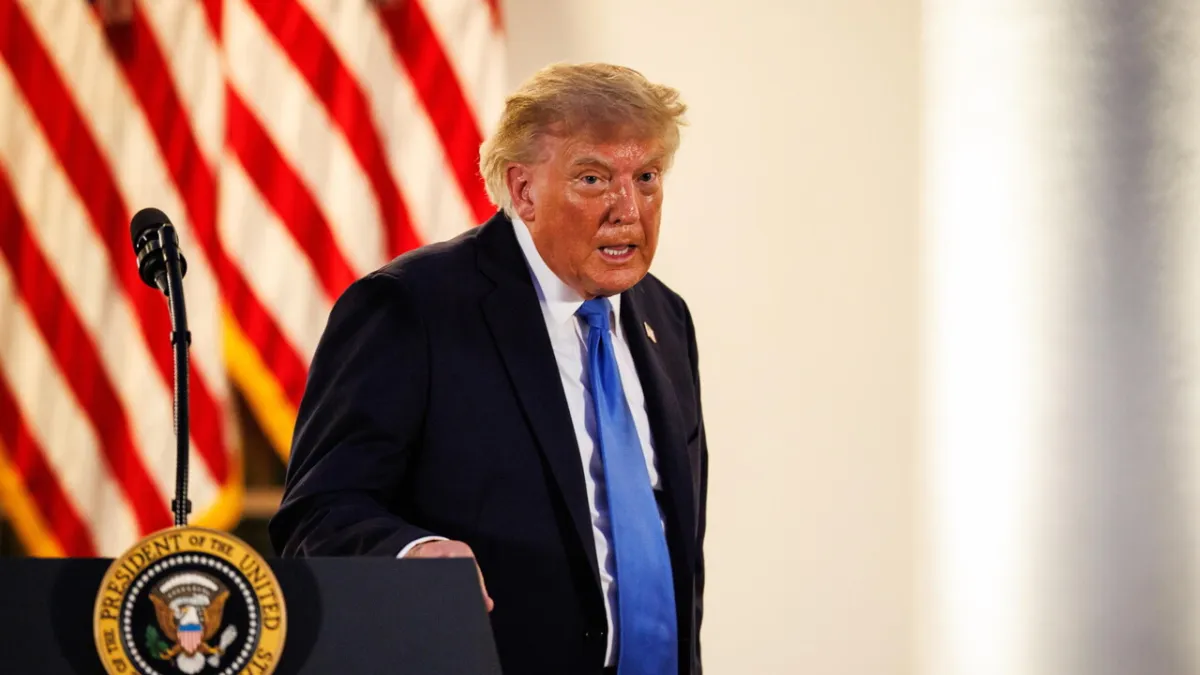
Defense analysts argue that the heavy burden of defense budgets and shifting strategic priorities have had a tangible impact. Although President Donald Trump has repeatedly affirmed America's commitment to maintaining military dominance, realities on the ground indicate undeniable constraints.
Dr. Elena Petrova, an international relations expert from Georgetown University, highlighted, This is not just about the number of soldiers or warships. It's about Washington's ability to project power sustainably and assure its partners that they can be relied upon in the long term.
The withdrawal of ammunition, according to some observers, could be interpreted as an attempt at logistical restructuring or, more alarmingly, an indication that the US is consolidating resources for a potentially larger future conflict or facing supply limitations.
The impact of these allied doubts could be far-reaching. Potential reconfigurations of defense alliances, a push to increase domestic military capabilities in allied nations, and even shifts in the global balance of power are some possible scenarios emerging from this situation.
President Donald Trump himself, on several occasions, has emphasized the importance of allied nations increasing their defense contributions. However, this policy, amid perceived weakening, could inadvertently create the impression that America is retreating, rather than merely demanding burden-sharing.
This situation adds complexity to global security challenges. With threats such as extremism, regional conflicts, and great power competition continuously evolving, the integrity and perceived strength of Western alliances become critically important.
World leaders, including President Prabowo Subianto of Indonesia, will undoubtedly monitor these developments closely, given their implications for regional stability and the global order.
Editorial Insight: This situation is not merely a challenge for the United States, but also a test for the global alliance solidarity that has been built over decades. Allied doubts about superpower capabilities can trigger a domino effect, pushing nations to seek alternative security arrangements or even adapt to a new multipolar reality. Washington needs to urgently address this perception, either through assertive diplomacy or convincing demonstrations of strength, to prevent further erosion of its allies' trust amidst an increasingly uncertain geopolitical landscape.