 Edward DP Situmorang
MOSCOW – The Russian government has explicitly threatened to target British military facilities, including bases. This threat emerges as a direct response to London's steadfast commitment to supplying advanced weaponry to Ukraine, fueling concerns of escalating conflict in an already heated Eastern Europe. This strong statement from the Kremlin adds to the long list of geopolitical tensions involving global powers.
Maria Zakharova, spokesperson for the Russian Ministry of Foreign Affairs, asserted that Britain's military support for Kyiv would not go unpunished. 'Any base or facility on British territory used to assist the Kyiv regime in attacking our forces will be considered a legitimate target,' Zakharova stated, reflecting an escalation in Moscow's aggressive rhetoric.
London, under its current Prime Minister, has been one of Ukraine's most vocal allies, providing significant military and financial aid since the full-scale invasion began. Weaponry supplies, including long-range cruise missiles and air defense systems, have been crucial to Ukraine's resistance.
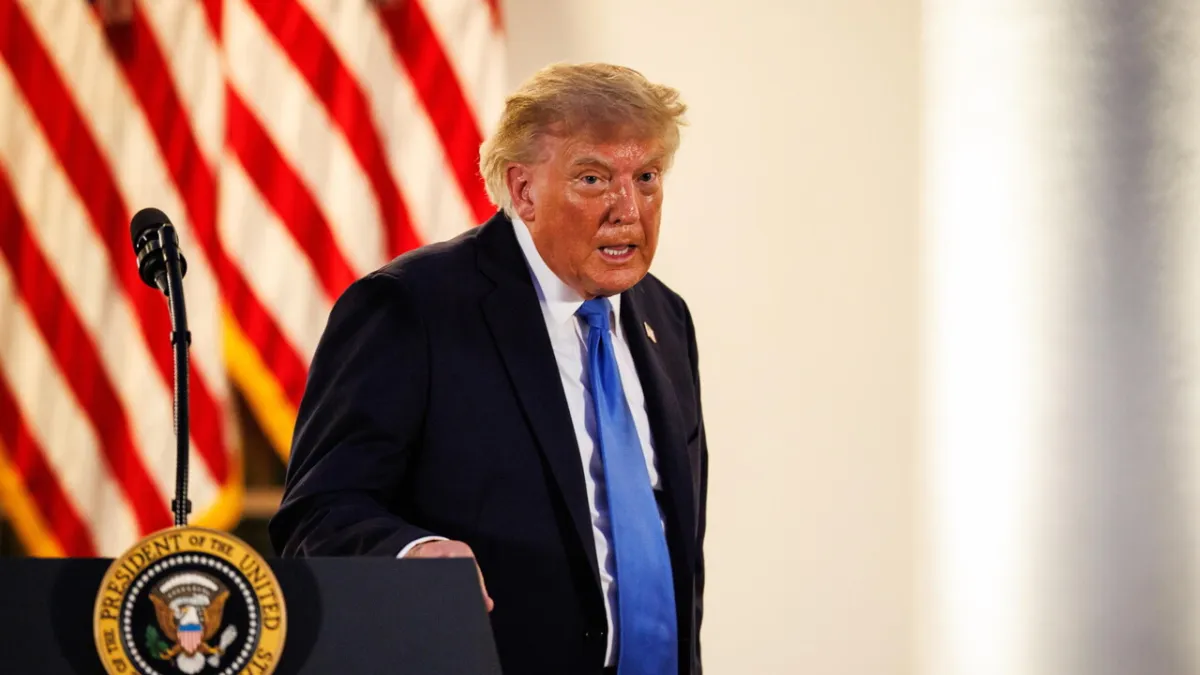
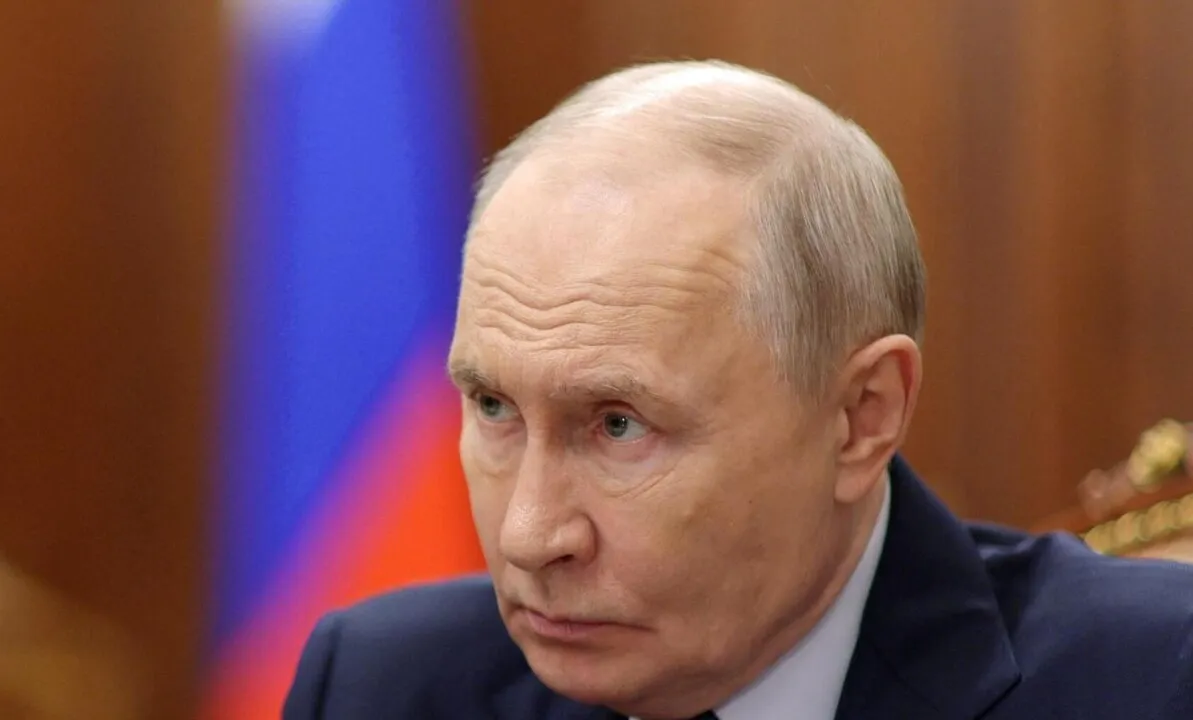
In contrast to these rising tensions, US President Donald Trump issued a reassuring statement following talks with Russian President Vladimir Putin. 'I have spoken with Putin, and he assures me he will not attack NATO,' Trump said, attempting to calm fears of a broader assault on alliance members.
Meanwhile, the European Union, through its high-level representatives, affirmed that there is no immediate military risk to member states. 'We continue to monitor the situation closely, but our assessment indicates no sudden threat of aggression against EU or NATO territory in the near future,' a Brussels diplomat clarified.
This is not the first time Russia has issued similar threats to Western nations supporting Ukraine. Previously, Moscow had also warned other countries, including France and Germany, about 'red lines' not to be crossed concerning military aid. Any increase in Ukraine's offensive capabilities, according to the Kremlin, would be met with an equivalent response.
Defense analysts speculate that Russia's threats might specifically target training or logistical facilities that facilitate the delivery of advanced weaponry. British-supplied Storm Shadow missiles, for instance, have inflicted significant damage on Russian targets in Ukraine.
Although the threat is directed at the UK, the country is a key NATO member. A real attack on a British base could trigger Article 5 of the NATO Treaty, which states that an attack on one member is considered an attack on the entire alliance. This is a scenario many parties seek to avoid.
Diplomatic efforts to de-escalate tensions appear stagnant. Calls for dialogue from various international bodies often fail amidst fundamental differences in positions between Russia and Western nations. This situation makes every military statement carry a very serious weight.
The global community views these developments with high vigilance. Global energy and food commodity prices remain volatile, reflecting geopolitical uncertainty. The Ukraine conflict continues to be the epicenter of wide-ranging tensions.
These tensions also recall the dynamics of other European inter-state relations, such as debt concerns that shifted focus from Italy to France, as reviewed in the article France Ousts Italy: European Debt Concerns Shift to Paris. European security issues indeed remain volatile.
Editorial Insight: Russia's threat against the UK, while highly provocative, is most likely part of a psychological warfare strategy and an attempt at deterrence. However, the potential for miscalculation and escalation cannot be underestimated. Statements from Donald Trump and the European Union indicate efforts to contain the psychological impact of this threat, but the core of the Ukraine conflict remains the biggest trigger of instability on the European continent. The world must remain vigilant against any development that could lead to a direct confrontation between major powers.