 Dorry Archiles
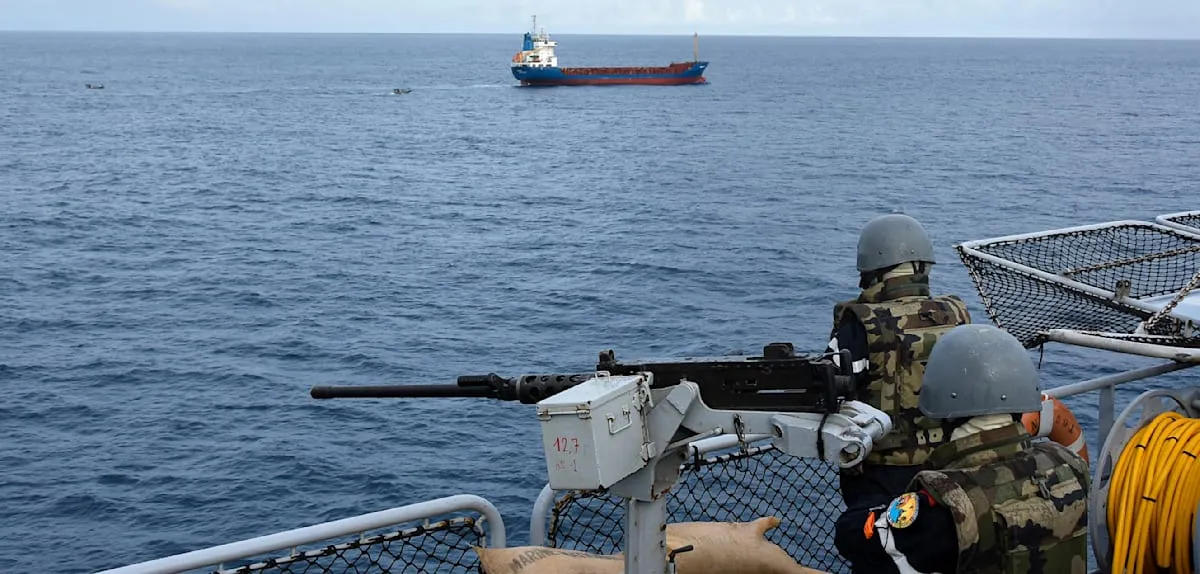
ATLANTIC – The French Navy recently foiled a massive drug smuggling operation in the Atlantic Ocean in 2026. A semi-submersible vessel carrying millions of US dollars worth of cocaine was successfully stopped after a dramatic pursuit, before its crew quickly moved to scuttle the underwater vehicle. This incident highlights the sophisticated tactics of global drug cartels and the vigilance of international law enforcement.
The interception originated from accurate intelligence regarding the movement of a manned semi-submersible vessel discreetly traversing international waters. French authorities promptly launched an intensive maritime surveillance operation to track the target.
Once detected, French Navy warships initiated an aggressive pursuit. The semi-submersible craft, specifically designed to evade radar and sonar detection, attempted to escape but was ultimately cornered by the navy's tactical maneuvers.
As patrol vessels approached to secure the craft, the crew members inside the mini-submarine made a drastic decision. They opened the vessel's hull valves, allowing seawater to rapidly ingress, in an effort to destroy evidence and complicate further investigation by authorities.
This panicked action caused the submarine to quickly sink into the depths of the Atlantic. Nevertheless, the French Navy forces did not give up and immediately commenced a time-sensitive salvage operation.
Through persistent salvage efforts, approximately 146 kilograms of cocaine were retrieved from the waters before fully sinking with the wreckage of the vessel. This amount, while significant, is estimated to be only a fraction of the total cargo transported.
Prior intelligence sources indicated that the vessel was carrying a much larger tonnage of cocaine, sparking widespread speculation about how much of the illicit substance escaped the grasp of international law enforcement.
This incident serves as clear evidence that international drug syndicates continue to innovate their smuggling methods. The use of mini-submarines demonstrates substantial investment in complex and expensive criminal logistics infrastructure.
Such mini-submarines are often referred to as narco-submarines or 'ghost vessels' due to their ability to travel beneath the water's surface, making them difficult for patrol ships and aircraft to detect. Their construction requires considerable engineering expertise, indicating a high level of organization behind this operation.
The French Navy's success is a significant blow to the smuggling network, as well as a warning to other criminal actors that the Atlantic waters are no longer safe for their operations. This reinforces the commitment of European nations in combating transnational narcotics trafficking.
This event echoes law enforcement efforts against global drug networks, such as those reported in the news Singapore Drug Scandal Shakes Nation: Prison Awaits Facilitator M Ravi, demonstrating that there is no safe haven for drug criminals, whether on land or at sea.
Editorial Insight: This incident of the scuttled cocaine submarine reveals the complexity of the war on drugs. While the seizure of 146 kilograms of cocaine is an operational success, the loss of primary evidence, including the allegedly larger tonnage of cocaine and the vessel itself, leaves many questions about the true scale of the smuggling operation. This operation underscores the urgent need for enhanced maritime intelligence capabilities and closer international coordination to dismantle increasingly sophisticated smuggling networks. The existence of narco-submarines indicates that the fight against drugs is not just about land-based arrests but also about mastering technology and vast maritime territories.