 Dorry Archiles
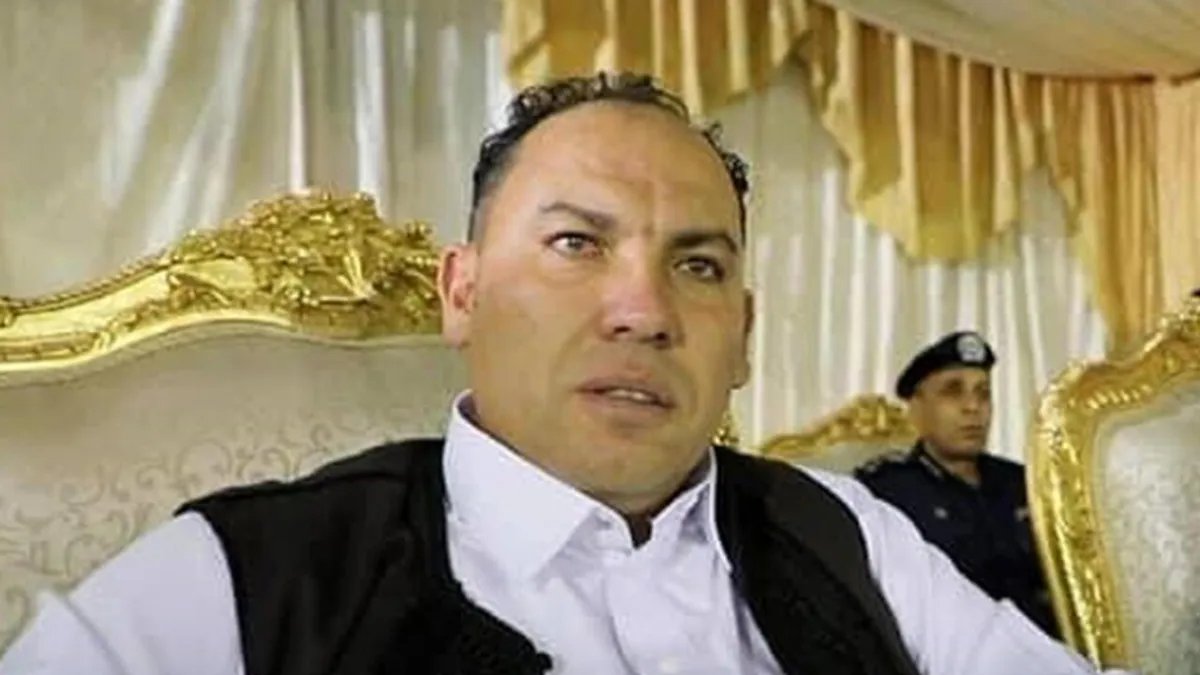
THE HAGUE – The International Criminal Court (ICC) has released a startling semestral report, stating that an individual identified as Almasri is now free in Libya and faces no legal proceedings whatsoever. This announcement, published in the court's periodic report, immediately sparked profound concern regarding the effectiveness of international justice mechanisms amidst the political and security turmoil in the North African nation.
The report explicitly mentions that the individual named Almasri is neither detained nor facing trial, even possessing the freedom to meet with anyone, including government ministers in Libya. This information implies a significant failure in enforcing any arrest warrants or charges that the ICC might have previously issued against him, although specific details of the allegations were not disclosed in the brief report.
This situation highlights the inherent complexities and challenges faced by the ICC in carrying out its mandate. Since its establishment in 2002, the court has indeed often struggled to obtain full cooperation from its member states, especially when it comes to executing arrest warrants against individuals who are in hiding or protected by powerful factions.
Libya, fragmented after the fall of Muammar Gaddafi in 2011, has become one of the most difficult terrains for international law enforcement. The country is controlled by various competing governments and armed militias, creating large loopholes for individuals accused of serious crimes to evade arrest and prosecution.
Failure to effectively handle the Almasri case could set a dangerous precedent. It potentially strengthens the narrative of impunity for those accused of war crimes, crimes against humanity, or genocide, especially in regions where national laws are weak or non-functional.
This blunt statement from the ICC seems to be an admission of its limited capacity in the face of harsh political realities. Although the court has jurisdiction over the most serious international crimes, its implementation heavily depends on the political will and logistical support from member states and authorities on the ground.
Human rights organizations and international observers will likely condemn this report as evidence of systematic failure. They continue to urge the international community to strengthen support for the ICC and seek innovative ways to ensure accountability, even in the most challenging environments. Such conditions are often topics of discussion in global forums about the importance of cross-border law enforcement.
Cases like this recall other instances where the ICC faced similar obstacles, for example, in efforts to extradite Omar al-Bashir from Sudan or Saif al-Islam Gaddafi from Libya itself, who were ultimately tried by local authorities without full international oversight.
Almasri's freedom to meet with ministers in Libya also raises questions about the level of acceptance or protection he receives from certain authorities within the country. This could indicate the intricate web of political alliances in Libya, which often confuses external observers.
The governments in Libya, both based in Tripoli and in the east, have not yet issued official statements in response to this ICC report. This silence adds to speculation about their stance on international justice and their willingness to cooperate with global institutions.
Editorial Insight: The ICC's report regarding Almasri is not merely news; it is a stark mirror reflecting the fragility of the international justice system. In an increasingly multipolar world where state sovereignty is fiercely maintained, the ICC's ability to act effectively without global political consensus will continue to be a major challenge. The Almasri case underscores that impunity remains a real threat eroding the foundations of humanitarian law and public trust in global institutions.