 Edward DP Situmorang
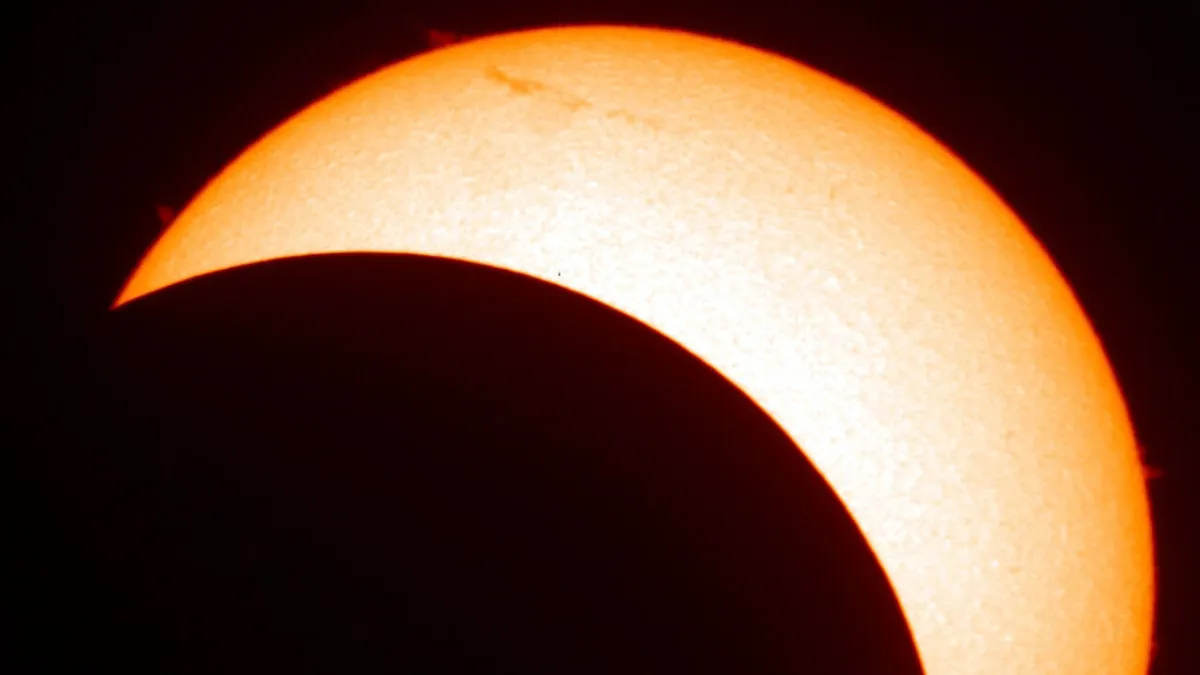
JAKARTA – Communities worldwide are urged to heighten vigilance ahead of the solar eclipse phenomenon set to grace the skies on August 12, 2026. Medical and astronomical experts unequivocally warn that ordinary sunglasses are entirely inadequate to shield eyes from potential permanent damage, even blindness, which may not be immediately felt after observing this extraordinary event.
This warning arises from serious concerns regarding the intense ultraviolet and infrared radiation emitted by the sun during an eclipse. Such radiation, though invisible and painless upon contact with the eyes, is capable of irreversibly damaging the retina. This damage can lead to severe medical conditions like solar retinopathy.
Conventional sunglasses, even those with the highest UV protection labels, are designed to reduce glare from normal sunlight, not to block the specific harmful radiation present during an eclipse. The filters in regular sunglasses lack sufficient optical density to adequately screen the direct intensity of solar light.
The primary danger lies in the delayed nature of the effects. An individual might feel perfectly fine after observing the eclipse with improper protection, yet damage to the photoreceptor cells in the retina could already have occurred. Symptoms such as blurred vision, blind spots in the central field of vision, or color distortion often emerge only hours or even days later.
Therefore, the use of specialized solar eclipse eye protection is imperative. These devices, often called eclipse glasses, are designed with filters that meet international safety standards, such as ISO 12312-2 certification. These filters are capable of reducing the sun's light intensity to a level that is extremely safe for direct observation.
Space agencies and health organizations advise the public to use only officially certified eclipse glasses from reputable manufacturers. Other safe alternatives include pinhole projectors or specialized solar filters attached to telescopes or binoculars, provided they are installed professionally.
Public education on the risks and safe ways to observe a solar eclipse is crucial. Governments and health organizations are expected to massively disseminate this information before August 12, 2026, to prevent incidents of mass blindness or permanent eye damage. This is particularly important given that a segment of the population remains unaware of these risks.
The public is also urged to verify information sources regarding safe eclipse viewing. Avoid misleading advice suggesting the use of non-standard materials like X-ray film, magnetic tape, or dark glass shards, as none of these provide adequate protection.
The August 12, 2026 solar eclipse phenomenon is predicted to have a specific path, but the potential informational impact spreads globally. While it may not be visible in all regions, awareness of the importance of eye protection remains relevant for anyone planning to observe this celestial event.
Editorial Insight: The August 12, 2026 solar eclipse is not merely a captivating astronomical phenomenon; it is also a test of public health literacy. The media bears a significant responsibility not just to report on the beauty of the eclipse, but to proactively educate the public about latent dangers and concrete solutions. Without accurate and widespread information dissemination, the risk to public eye health could increase significantly, leaving detrimental long-term impacts on individuals and healthcare systems.