 Debby Wijaya
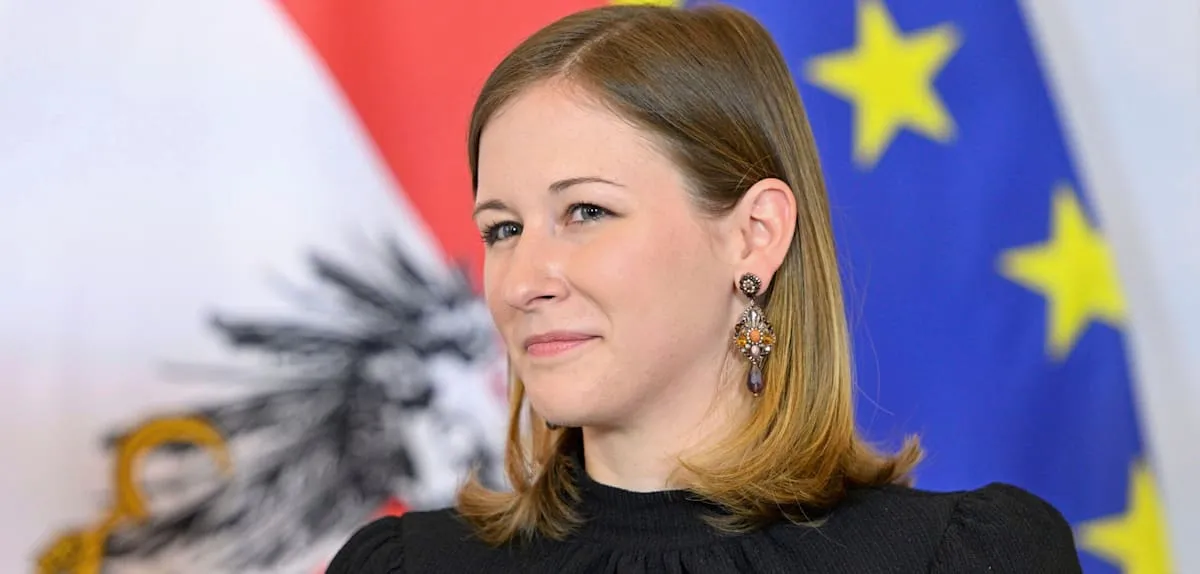
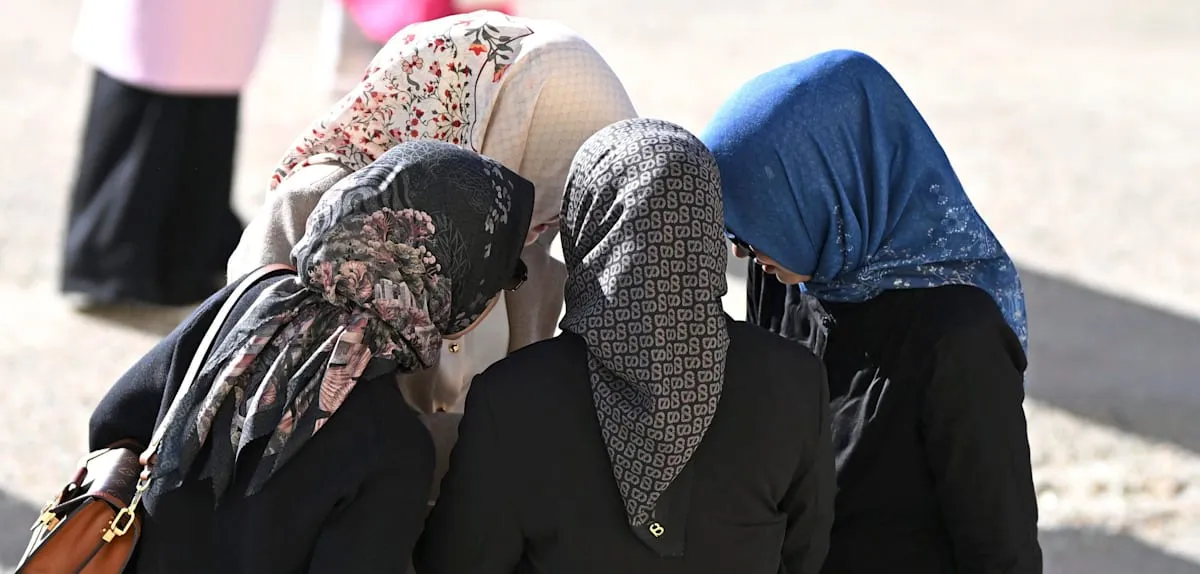
VIENNA — Austria, in 2026, announced Europe's most aggressive immigration measures to date, encompassing a ban on headscarves for girls in primary schools and significant cuts to state benefits for migrants. This controversial policy, which goes far beyond similar regulations in Germany, was asserted by Integration Minister Claudia Bauer as an effort to monitor “moral guardians” (sittenwächter) and ensure stricter integration.
The decision stems from the Austrian government's concerns regarding the influence of extreme conservatism within migrant communities. Minister Bauer emphasized that the new regulations are designed to protect young girls from social pressure and promote secular values considered fundamental to Austrian society.
The new legislation will include a headscarf ban in all educational institutions for girls up to the age of 14. Furthermore, newly arrived migrants will face a review of their access to social benefits and housing.
In an exclusive interview, Minister Claudia Bauer stated, "These so-called moral guardians will be better monitored by us in the future. We cannot allow the core values of our society to be eroded by extremist interpretations of tradition." This statement reaffirms the government's commitment to taking decisive action.
The fundamental difference from Germany lies in the scope and strictness of implementation. Germany, despite facing similar debates concerning integration and religious attire regulations, has not implemented a nationwide headscarf ban as comprehensive as Austria's proposal.
This policy is predicted to significantly impact migrant communities, particularly those from Muslim-majority countries. Many human rights organizations have voiced concerns over potential discrimination and marginalization.
Amidst a positive response from conservative segments, this policy also triggered a wave of criticism from liberal groups and migrant rights organizations. They argue that a headscarf ban violates religious freedom and could exacerbate the integration process, rather than improve it.
The implementation of these rules is expected to face legal challenges, with potential lawsuits filed in high courts. The Austrian government prepares for resistance but insists these measures are essential for long-term social stability.
The debate over migrant integration and the limits of religious freedom is also raging intensely in various other European countries. For instance, a recent German High Court ruling declared the halt of Afghanistan's asylum program illegal, highlighting the complexity of this issue in the region. Austria's approach now serves as an interesting case study on the continent's political stage.
Thus, Austria positions itself at the forefront of European immigration policy reform, with high stakes for the multicultural integration model. How this policy will shape the future of Austrian society and intercultural relations remains a major question that the international community will continue to observe.