 Chris Robert
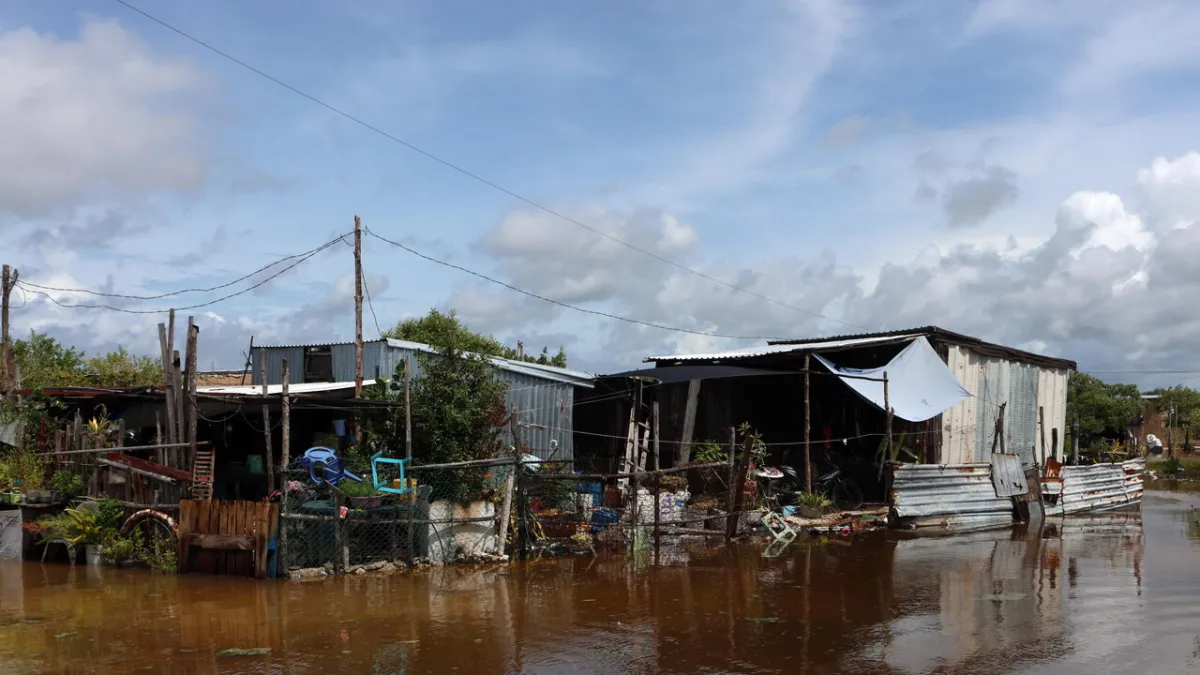
Florida – Hurricane Isaias reportedly made landfall on Florida's east coast over the weekend in 2026 as a Category 2 storm, triggering widespread power outages that left thousands of homes and businesses without electricity. This extreme natural phenomenon has heightened vigilance across states bordering the Gulf of Mexico, urging residents to prepare for potential further impacts from the powerful weather system.
The arrival of Hurricane Isaias marks a significant weather event immediately felt. Strong winds battered the coast, followed by heavy rains with the potential to cause flooding in low-lying areas. Local authorities swiftly moved to implement mitigation and evacuation efforts in vulnerable zones.
Initial data indicates over tens of thousands of electricity customers lost power as the storm hit. Utility companies are working tirelessly to restore the grid, but extreme weather conditions complicate the repair process. Many residents found themselves isolated in darkness, forced to rely on emergency generators.
The National Hurricane Center (NHC) had previously issued stern warnings regarding Hurricane Isaias's potential strengthening as it approached land. These predictions proved accurate, with the storm's intensity significantly increasing before making landfall in Florida, posing a serious threat.
U.S. President Donald Trump, through his spokesperson, conveyed deep concern over the situation in Florida. The federal government expressed readiness to provide full assistance to the state government in post-disaster recovery efforts. The Federal Emergency Management Agency (FEMA) has activated rapid response teams.
Residents along the coast had been reminded to have emergency supplies, including drinking water, non-perishable food, and spare batteries. Disaster alerts were continuously disseminated through various communication channels, emphasizing the importance of personal safety and vigilance.
Not only Florida, but other states bordering the Gulf of Mexico are also on high alert. History records the devastating power of tropical storms in the region. Early warnings have been issued for Georgia, South Carolina, and North Carolina, given the unpredictable path of the hurricane.
This event recalls various previous extreme weather incidents that have affected coastal regions of the United States. Efforts like the heroic story of an elderly surfer surviving 19 hours in the northern stormy sea demonstrate residents' resilience in the face of nature's fury, but also underscore the inherent risks.
Beyond infrastructure damage, this hurricane also has the potential to cause significant economic losses. The tourism and agriculture sectors, which form the backbone of Florida's economy, are expected to be hit hard by operational disruptions and property damage.
Rescue teams and emergency workers have been deployed to affected areas to provide first aid and assist stranded residents. The top priority is ensuring the safety of lives and minimizing further damage.
Global climate scientists continue to highlight the increasing frequency and intensity of tropical storms as a manifestation of climate change. The Isaias phenomenon in Florida adds to a long list of extreme weather events requiring serious attention from the international community.
Editorial Insight: The arrival of Hurricane Isaias as a Category 2 storm in Florida reaffirms the urgency of disaster preparedness in vulnerable regions. The challenges of recovery following widespread power outages and infrastructure damage will test the effectiveness of local and federal government responses. This article highlights how communities face increasingly frequent and intense natural threats, prompting a re-evaluation of long-term mitigation strategies, especially in the context of global climate change.