 Stefani Rindus
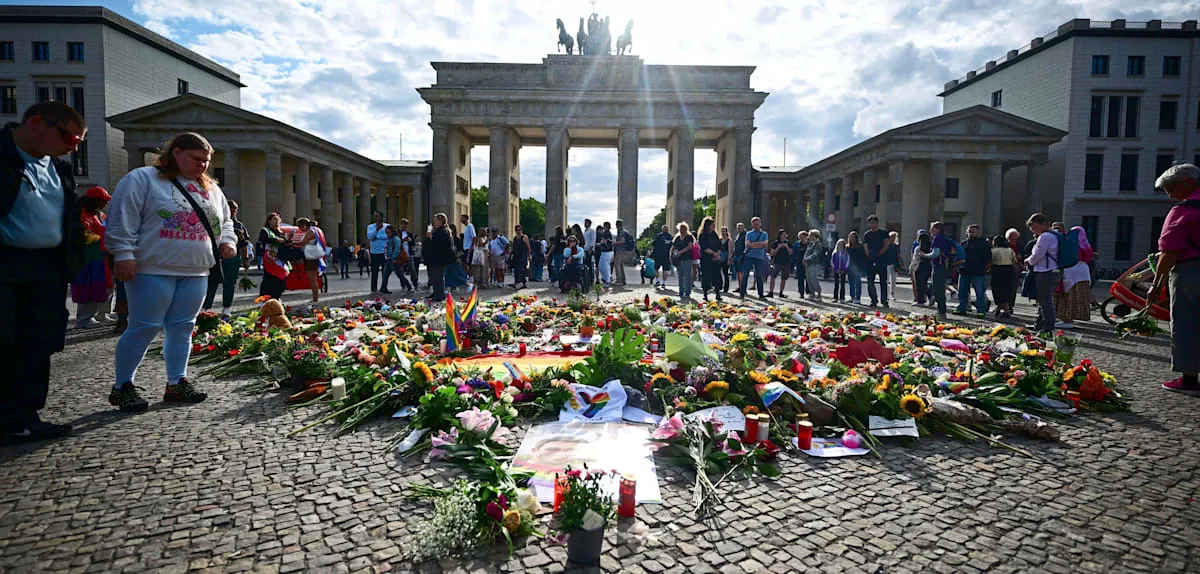
Berlin — A terror incident targeting the Christopher Street Day (CSD) celebration in Berlin has triggered a wave of global concern, highlighting Germany's vulnerability to an integration crisis and the growing wave of radicalization sweeping Europe in 2026. International media, including the prestigious British newspaper The Times, keenly analyzed the attack's impact, asserting that Germany “is exposed to this danger to an unusual degree.”
This heartbreaking incident, occurring in the heart of the German capital, immediately drew global attention to the complex challenges the country faces. The brutal assault on an event symbolizing diversity and inclusion shocked many, simultaneously opening serious discussions about the root causes behind extremist violence.
The Times, in its in-depth editorial, did not hesitate to voice its critical views. The publication highlighted that Germany, as Europe's economic and cultural locomotive, is now at a crossroads in managing increasingly complex social issues, especially regarding immigrant community integration and preventing extremism.
The international media spotlight is not without reason. Various reports indicate an increasing trend of radicalization in several European countries, a phenomenon often linked to failures in social integration processes. This CSD attack serves as a catalyst for urgent conversations about the effectiveness of government policies in addressing social and ideological divides.
The German government, through its spokesperson, strongly condemned the attack and pledged a thorough investigation. However, public and international community pressure is now focused on the concrete steps that will be taken to strengthen social cohesion and suppress the seeds of extremism.
European security analysts interpret this event as a warning signal. They argue that the attack in Berlin is not an isolated incident but a manifestation of deepening polarization in European society. Debates surrounding identity, multiculturalism, and security have become more intense post-event.
This situation is exacerbated by Germany's internal political dynamics, which are also facing challenges, including fluctuating support for major parties and the rise of populist movements. The presence of radicalization and integration issues certainly adds to the complexity of the country's political landscape.
Civil society, particularly human rights organizations and minority groups, calls for increased protection and solidarity. They assert that an attack on vulnerable groups such as the LGBTQ+ community is an assault on universal democratic values and human rights.
Sociology and religious studies experts emphasize the importance of a holistic approach to combating radicalization. They underscore the necessity of education, intercultural dialogue, and a deep understanding of moderate religious teachings as key deterrents to extremism. This aligns with findings in the article titled "Experts Reveal Key to Countering Religious Radicalization: Understanding Sacred Texts," which is relevant to this discussion.
The integration crisis in Germany and radicalization in Europe are not new issues, but the CSD attack in Berlin has solidified their urgency. It demands a coordinated and strategic response, not only from Germany but from the entire European Union, to maintain its stability and fundamental values amidst evolving threats.
The impact of this attack is expected to trigger a revision of security and integration policies in Germany, and potentially influence discussions at the EU level regarding joint efforts to combat terrorism and extremism. The strength of unity and societal resilience will once again be tested in facing this tangible threat.