 Chandra Wijayanto
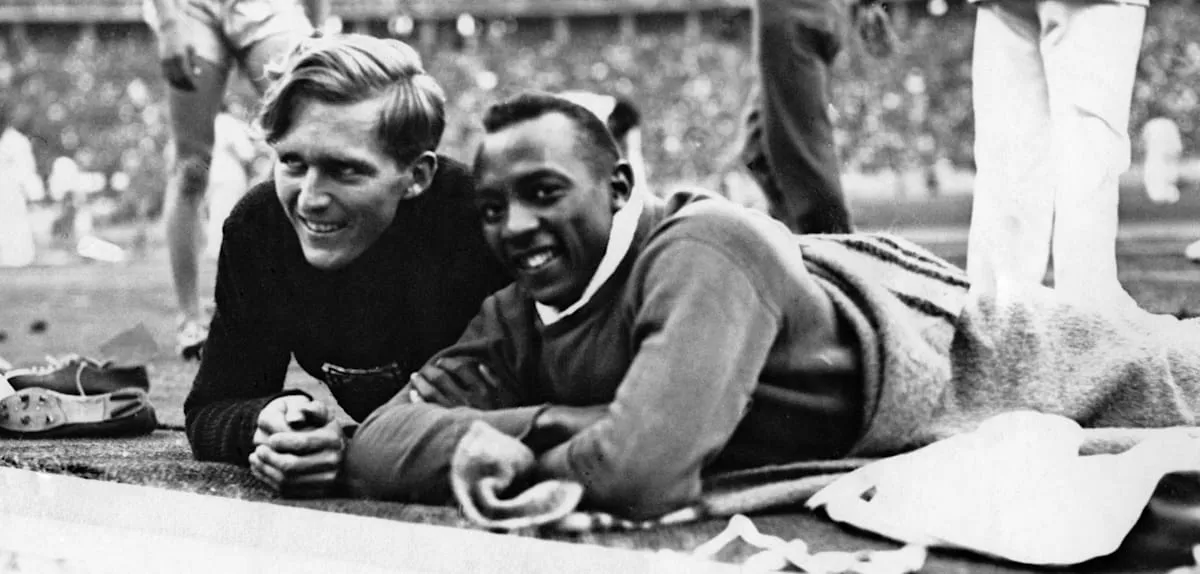
BERLIN – The German capital, Berlin, has officially abandoned its hopes of hosting the 2036 Olympic Games. This decision comes after a series of complex considerations and opposition from various parties. Ironically, amidst the fading future ambitions, an immersive educational program that invites the public to revisit the 1936 Olympics is currently enjoying success, sparking a fierce debate about the relevance of history and lessons for the present.
This educational program, designed to provide an authentic experience of the Olympics under the Nazi regime, raises fundamental questions. Should Elif Eralp and activists from the NOlympia movement, who vehemently oppose the staging of the Olympics, participate in this program to deeply understand the historical complexities of the world's largest sporting event?
The 1936 Berlin Olympics became one of the most controversial chapters in sports history. Used as a massive propaganda platform by Adolf Hitler and the Nazi Party, the event projected an image of Aryan power and glory, albeit marred by oppression and discrimination. The current immersive program seeks to uncover these historical layers, not to glorify, but to provide critical understanding.
Berlin's decision not to bid for the 2036 Olympics reflects a global shift in perspective toward such mega-events. Concerns about exorbitant costs, environmental impact, and potential exploitation of the city and its citizens were key reasons for withdrawal. Berlin's aspirations, which had once emerged to showcase a modern and inclusive German image, are now forced to be shelved.
Conversely, the immersive program about the 1936 Olympics offers a different approach. It is not about building new infrastructure or spending vast budgets, but about reconstructing collective memory and extracting valuable lessons from a dark past. The program takes participants through various simulations and interactive exhibits depicting the atmosphere of Berlin during that era.
Elif Eralp, a figure known for her critical views on the staging of the Olympics, often speaks about the financial and social burden these events impose. Similarly, the NOlympia movement, which consistently opposes any city's bid to host the Olympics, argues that the event brings more harm than actual benefit to local residents.
Interestingly, the presence of this 1936 program puts activists in a dilemma. Will a deep historical understanding of how the Olympics can be manipulated strengthen their arguments, or will it open new perspectives on the educational value of Olympic history itself? The program implicitly suggests that to understand the future, one must first understand the past.
Education and history advocates welcome this immersive program initiative. They see it as a rare opportunity to directly educate younger generations about the dangers of extremist ideologies and the importance of true sportsmanship, free from hidden political agendas. This type of active learning is considered far more effective than simply reading textbooks.
This historical context also brings to mind Germany's current role on the world stage. For example, Germany's involvement in international peace negotiations, as seen in Abu Dhabi, where the German Chancellor's advisor attended Ukraine peace talks, demonstrates a nation now proactive in diplomacy and conflict resolution. This contrasts sharply with its tumultuous history in the 1930s.
Therefore, exploring history through the 1936 immersive program is not merely nostalgia. It is a crucial effort to ensure that the bitter lessons of the past are not repeated. The discussions arising from this program are expected to form a stronger foundation for public understanding of how global events, including the Olympics, can affect society and politics.
Editorial Insight: Berlin's decision to withdraw its 2036 Olympic bid, while simultaneously supporting an immersive educational program about the 1936 Olympics, reflects a collective maturity. It is an acknowledgment that a city must grapple with its historical legacy responsibly, while weighing future priorities realistically. The immersive program is not just a flashback, but a vital instrument to mitigate past mistakes and inspire more critical discussions about the true essence of sports and global unity, without falling into the trap of propaganda or unsustainable economic burdens.