 Dodi Irawan
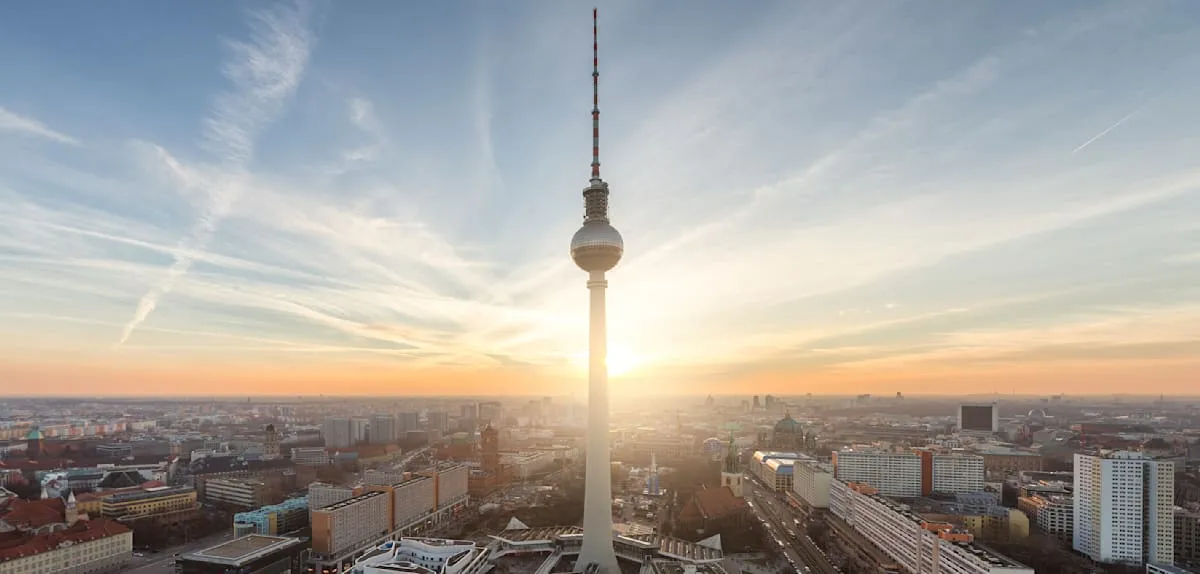
BERLIN – The political dynamics of the German capital are entering a new phase in 2026. Although the Christian Democratic Union (CDU) and the Left Party (Die Linke) are locked in a tight race for the top position, Berlin's fundamental political direction appears to be irresistibly shifting towards the left spectrum. This phenomenon indicates that the city's demographic and ideological preferences have formed a solid foundation for progressive policies, regardless of short-term electoral outcomes.
For weeks, Berlin's political atmosphere has been marked by tension. The vote counts between the CDU, traditionally representing the center-right, and Die Linke, rooted in democratic socialism, have been extremely close. However, observers note that this narrow difference only reflects surface fluctuations of a larger current that has long shaped the city's political identity.
Berlin's modern history, especially after German reunification, has etched deep traces of liberalism and progressivism. The city has become a magnet for individuals with more open and inclusive socio-political views. Urban migration, particularly among the youth, has further strengthened the voter base that tends to support left-wing agendas, such as affordable housing policies, strict environmental protection, and comprehensive social services.
Die Linke, with a platform advocating for stricter rent controls, increased public investment in transportation, and wealth redistribution policies, effectively targets the needs of Berlin's population. While the CDU attempts to attract voters with promises of stability and administrative efficiency, the appeal of a progressive narrative remains strong in most city districts.
Political analysts from Humboldt University Berlin observe that the 'Berlin special path' is not just campaign rhetoric but a reflection of the city's sociological identity. The majority of Berliners, regardless of party affiliation, have high expectations for the state's role in providing social welfare and addressing inequality.
Environmental agendas are also a cornerstone of Berlin's political landscape. With high climate awareness, demands for renewable energy policies, emission reduction, and the development of urban green spaces are priorities voiced by various groups, pushing all parties to adopt increasingly eco-friendly platforms.
This shift has significant implications for urban governance. Despite the potential for a CDU victory, coalition governments in Berlin will likely still involve left-leaning or green parties. This ensures the continuity of policies centered on social inclusion and environmental sustainability.
The economic impact of this political orientation is often a subject of debate. Some argue that overly progressive policies can hinder investment and create fiscal burdens. However, proponents of left-wing policies highlight the importance of social justice as a prerequisite for sustainable and equitable economic growth.
In contrast to some other regions in Germany that have seen rising support for right-wing parties like the Alternative for Germany (AfD), Berlin remains a stronghold for progressive ideologies. Articles such as Germany's Outcry: Attempts to Marginalize AfD Politicians Spark Criticism, How It Benefits the Figure show different dynamics at the national level, but Berlin maintains its distinctiveness.
Fiscal policies, particularly regarding taxation and public spending, will continue to be under scrutiny. Discussions about 'fair taxation for the people,' as addressed in the article Germany Targets Billions in Inheritance: Fair Taxes for the People, are likely to find strong resonance in Berlin's political debates.
Companies and investors operating in Berlin need to understand this unique political landscape. A focus on corporate social responsibility, sustainability, and inclusion will be crucial factors for success in the German capital.
Editorial Insight: Berlin's inevitable leftward political shift is not merely an election outcome but a manifestation of the city's long-established identity. It challenges traditional governance models and promotes bolder socio-environmental agendas. For Germany, Berlin will continue to serve as a laboratory for progressive policies, leading discussions on the future of inclusive and sustainable urbanization, while also presenting unique challenges to national political cohesion in the long run.