 Chandra Wijayanto
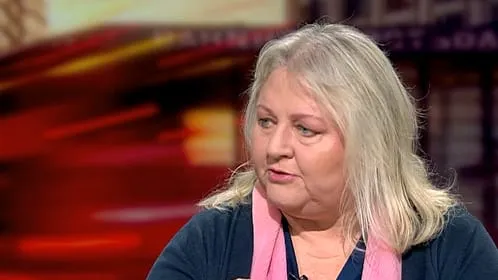
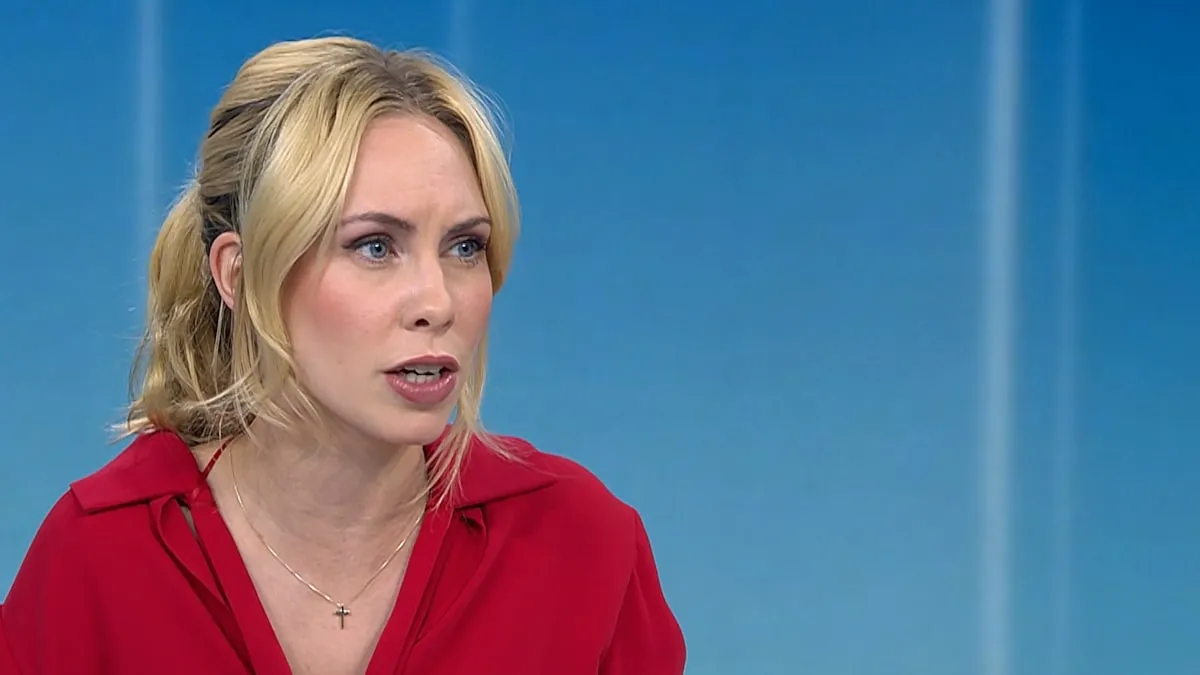
BERLIN – Former Green Party politician Antje Hermenau recently launched sharp criticism against the Bundnis Sahra Wagenknecht (BSW) party, deeming it highly unreliable. Her statement follows the 2026 state election results in Saxony-Anhalt, which, according to Hermenau, have torn down the so-called 'firewall' between the Christian Democratic Union (CDU) and Alternative for Germany (AfD), sparking calls for a political fresh start and condemnation of the federal government.
Hermenau, a senior figure known for her forthright political views, presented this analysis in an interview. For her, the current political situation in Germany demands a thorough re-evaluation, especially after significant shifts in the state's electoral landscape.
The main focus of her criticism was directed at BSW, the newly emerging party, which she considers lacking in consistency. 'The BSW is as unreliable as anything else', Hermenau stated, reflecting her disappointment with the party's performance or political stance within the post-election German dynamics.
A more concerning issue for Hermenau is the erosion of the historical 'firewall'. Traditionally, established parties like the CDU have adhered to a principle of not forming coalitions or cooperating with the AfD due to its extreme right-wing views. However, the 2026 Saxony-Anhalt election results appear to have altered this perception.
AfD's significant victory in Saxony-Anhalt delivered a major blow to mainstream parties. This indicates a massive shift in voter sentiment, forcing the CDU to re-evaluate its strategy. The situation has led to instability within the CDU, as reflected in a related article concerning calls for clear politics and unity from CDU leaders.
Hermenau views this reality as a clear signal that a new era of German politics has arrived. She calls for a 'political fresh start' that can address the root causes of voter dissatisfaction driving the rise of populist parties like AfD. This call aligns with other analyses describing AfD's victory as a sign of Germany's shaky foundations.
Not only that, Hermenau also did not hesitate to criticize the federal government. According to her, the government's failure to address various crucial issues has created gaps exploited by extreme political forces. This criticism reflects public sentiment that has fueled various demonstrations, as seen in the unrest in Magdeburg.
Hermenau's statements further intensify the public debate regarding the future of German politics. They confirm that the election results in Saxony-Anhalt are not merely a local event but have profound national implications for Germany's political stability and social cohesion.
Debates surrounding social reform have also intensified post-election, as discussed in another report. Traditional parties face the arduous task of responding to demands for change without compromising liberal democratic principles.
The rise of the AfD and the challenge to the 'firewall' underscore an era of political uncertainty in Germany, a country known for its stability for decades. Analysts compare this phenomenon to a 'German Brexit', indicating the potential for a decade of wild politics ahead, as revealed by Stadelmann in this article.
Editorial Insight: Antje Hermenau's statements highlight the vulnerability of the German political system following the 2026 Saxony-Anhalt election. The collapse of the 'firewall' between the CDU and AfD, though still open to interpretation, signals a significant paradigm shift. The federal government and mainstream parties must seriously address this criticism with substantive reforms to avoid further erosion by the intensifying wave of populism. Failure to do so could lead to deeper political fragmentation, with long-term impacts on regional and European stability.