 Demian Sahputra
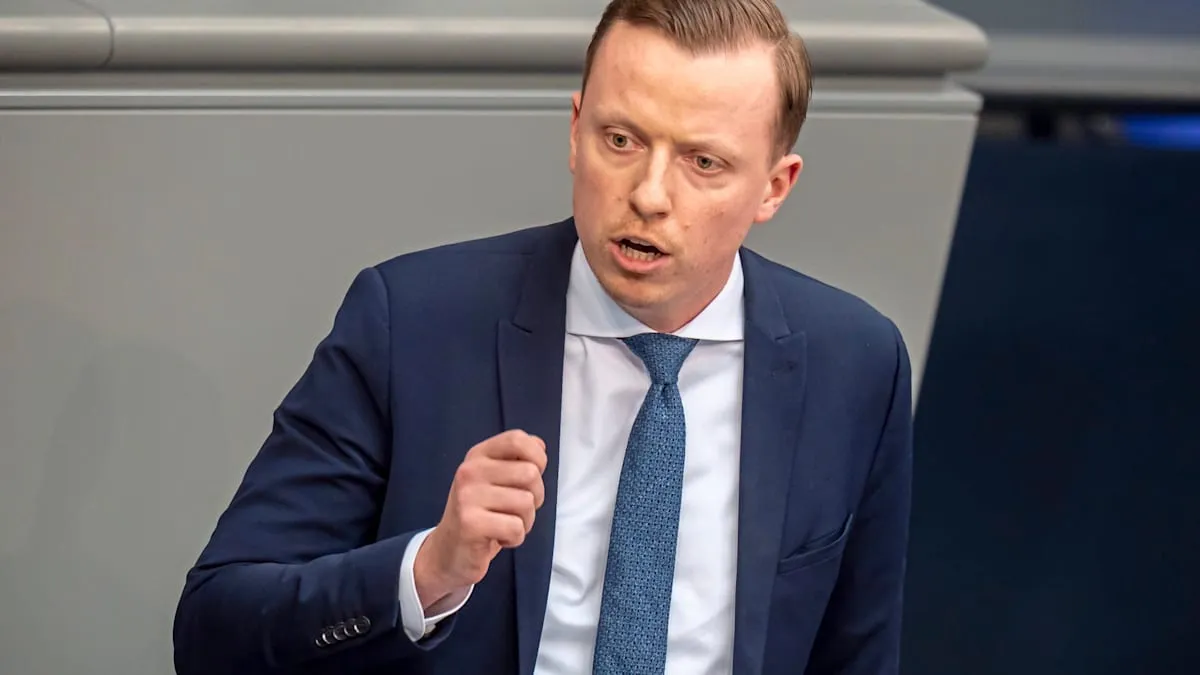
Ceuta — Tensions on the Europe-Africa border escalated in 2026 following a significant surge of migrants into the Spanish enclave of Ceuta. Morocco officially disputed the reported migrant figures and accused international media of spreading “fake news,” igniting a fierce debate within the European Union regarding migration policy. Ahmetovic, a foreign policy politician from Germany’s Social Democratic Party (SPD), called for European unity to confront potential divisions within the bloc.
This incident, occurring after a massive wave of migrants, once again highlighted the vulnerability of the EU’s external borders and the complexity of bilateral relations with North African countries. The situation tests Europe's capacity to act cohesively.
The Moroccan Ministry of Interior, through its spokesperson in April 2026, asserted that the number of migrants who successfully crossed into Ceuta had been exaggerated. They claimed international media reports were inaccurate and deliberately created a narrative of misinformation, similar to previous denials related to Misinformation Forms Ceuta Crisis Narrative and Morocco Denies Ceuta Casualty Data.
The response from Brussels varied. Some member states demanded strict measures against Morocco or unilateral border reinforcement, while others emphasized the importance of humanist solutions and bilateral cooperation. This debate, which often divides the bloc, resurfaced as discussions continued on consequences for Morocco and strengthening border controls.
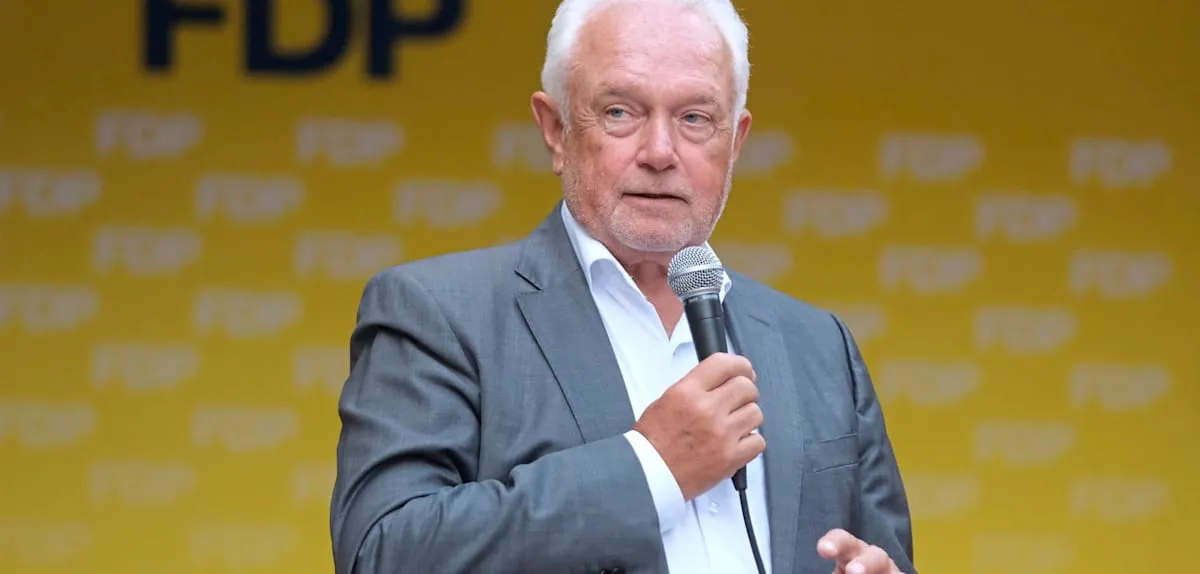
Responding to the situation, Ahmetovic issued a stern warning. “Let us not allow ourselves to be divided as the European Union,” he stated in Berlin. He emphasized that division would only exacerbate the crisis, erode solidarity, and benefit those who wish to see a weakened Europe in the face of global challenges.
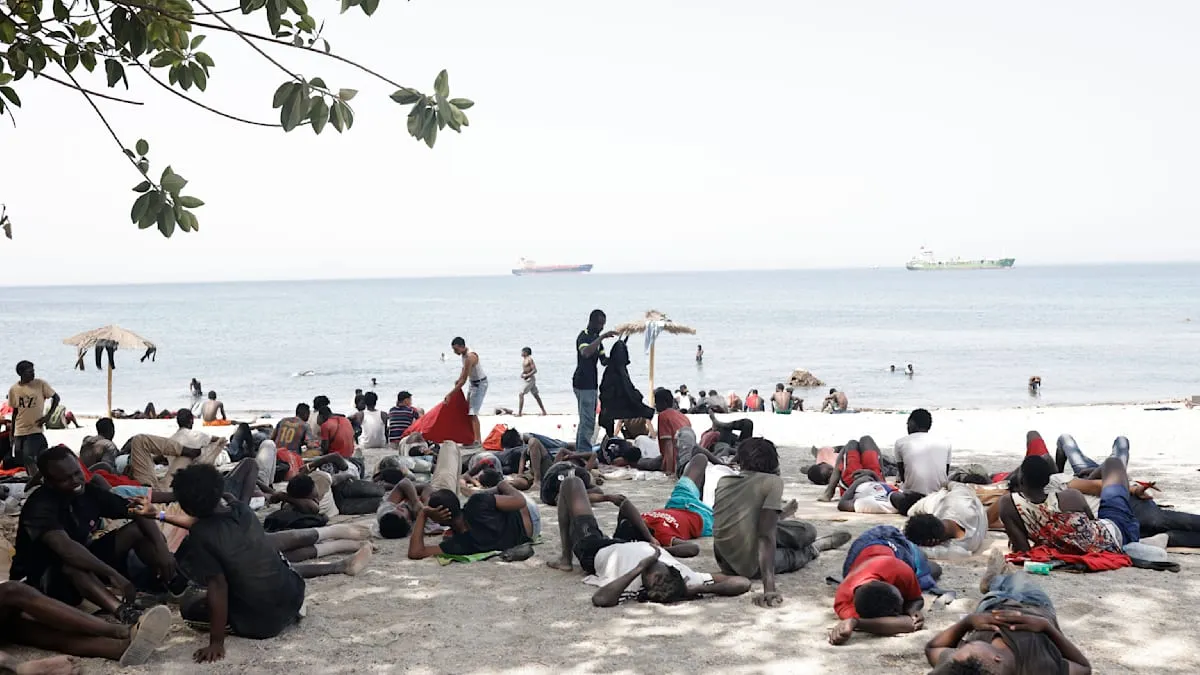
The previous waves of migrants, which peaked in the mid-2020s, involved thousands of individuals, including many minors, who swam or walked across land and sea borders into Ceuta. The urgent humanitarian situation at that time drew international condemnation, with young migrants found Trapped by Hunger.
Madrid — Spain, as a frontline country directly bordering Morocco, felt the immediate impact of this migratory pressure. The Spanish government, under Prime Minister Pedro Sanchez in 2026, repeatedly urged the European Union to provide more concrete support in border management and repatriation processes. Threats of Drastic European Measures were also once voiced.
The issue of “fake news” raised by Morocco adds a layer of complexity to this crisis. Verification of data and information becomes crucial amidst conflicting narratives, hindering efforts to find common solutions and determine strategic steps.
Relations between the European Union and Morocco, a key partner in managing migration from North Africa to Europe, are now at a crossroads. Bilateral trust is vital for effective cooperation in managing migration flows, but Morocco’s accusations could erode the foundation of that relationship.
The migrant crisis in Ceuta not only has political and humanitarian dimensions but also significant economic and social impacts, both for the Spanish enclave and for Morocco as a country of origin or transit. Local infrastructure and public services are under pressure.
Ahmetovic further underscored the need for a comprehensive and integrated EU migration policy. He argued that fragmented approaches by individual member states would only create loopholes and exploitation by human traffickers, thereby worsening the problem.
As 2026 progresses, long-term solutions for the migration challenges in Ceuta and across Europe remain a top priority. Constructive dialogue, cross-border cooperation, and a commitment to facts are key to addressing the complex root causes and their impacts.