 Stefani Rindus
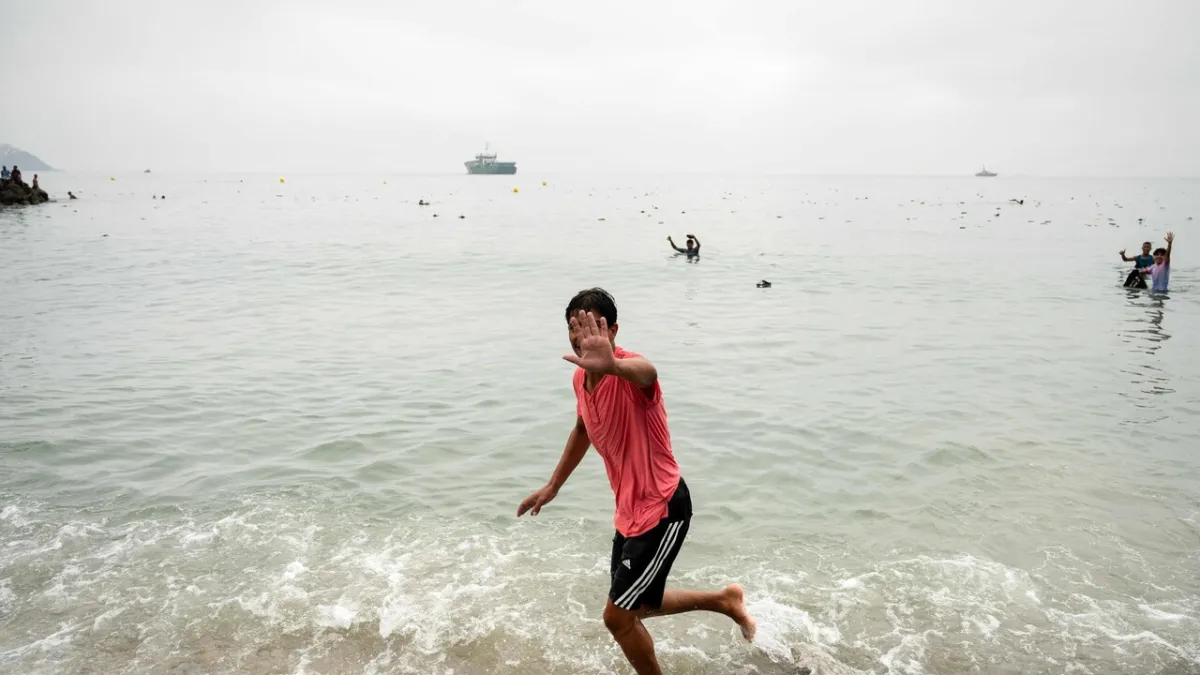
CEUTA — An unprecedented wave of migrants has overwhelmed the Spanish enclave of Ceuta in North Africa, as approximately 60,000 individuals flooded the border within hours, triggering a deep humanitarian and diplomatic crisis. This tragic incident, which also claimed at least 57 lives, garnered international attention, with the United States openly accusing Madrid of having "deliberately encouraged illegal immigration."
The dramatic events unfolded in early 2026, transforming Ceuta's coastal landscape into an emergency zone. Migrants, many from Morocco and sub-Saharan countries, exploited what some perceived as weakened border conditions to pour into European territory. The scale of this migrant influx is unprecedented in the region's modern history.
The Spanish government responded swiftly, deploying military and police forces to secure the border and initiate repatriation processes. Recent data indicates that over 37,000 migrants have been successfully returned to their countries of origin or Moroccan territory, an effort undertaken amidst tension and sharp criticism.
However, these efforts failed to quell the wave of condemnation. The United States Department of State issued a stinging statement, claiming Spain had made "deliberate efforts to encourage illegal immigration." This criticism highlights global concerns regarding the handling of the migrant crisis and its implications for regional stability.
From Brussels, European Commission President Ursula von der Leyen also voiced deep concern. "The images emerging from Ceuta are simply unacceptable," she stated, emphasizing the need for a coordinated and humane response from across the European Union to the migration phenomenon. This indicates that the crisis in Ceuta has become a priority issue on the European agenda.
This incident is not the first time Ceuta has faced massive migratory pressure. The enclave's history is marked by continuous attempts by thousands of individuals hoping to find a better life in Europe. Previous articles titled Ceuta Emergency: 49,000 Migrants Storm Spain, Dozens Dead and Humanitarian Crisis Grips Ceuta: Tens of Thousands of Migrants Storm Border, 18 Dead describe similar precedents, though the scale this time is far greater.
The high death toll of 57 also adds a tragic dimension to this crisis. Most deaths are believed to have occurred due to drowning while attempting to cross dangerous waters or from exhaustion and injuries during the journey. This incident once again highlights the extreme dangers migrants face on their perilous journeys.
Diplomatic tensions between Spain and Morocco have also resurfaced. Some analysts suggest that Morocco might be using this migrant crisis as a geopolitical tool to pressure Spain on bilateral issues. The article Morocco Manipulates Migrant Crisis: Ceuta Becomes New Geopolitical Target? provides perspective on these complex dynamics.
The Spanish government, despite facing a wave of criticism, insists it is acting in accordance with international law and humanitarian obligations. They emphasize the importance of border sovereignty and efforts to suppress human smuggling networks that exploit the migrants' vulnerabilities.
However, human rights organizations and UN agencies are calling on Spain to ensure humane and fair treatment for all migrants, in line with international commitments. Spain Must Protect Moroccan Migrants, No Forced Expulsion from Ceuta serves as an important reminder of these principles.
This crisis exposes the fragility of Europe's asylum and immigration system, as well as the urgent need for more comprehensive and integrated policies. Pressure on enclaves like Ceuta and Melilla will continue as long as regional instability and economic disparities between Africa and Europe persist.
The long-term impact of this incident on Spain's relations with the United States and its position within the European Union remains to be seen. However, one thing is certain: the migrant crisis in Ceuta in 2026 has served as a bitter reminder of the complex challenges that continue to plague Europe in managing its borders and responding to humanitarian crises.