 Dorry Archiles
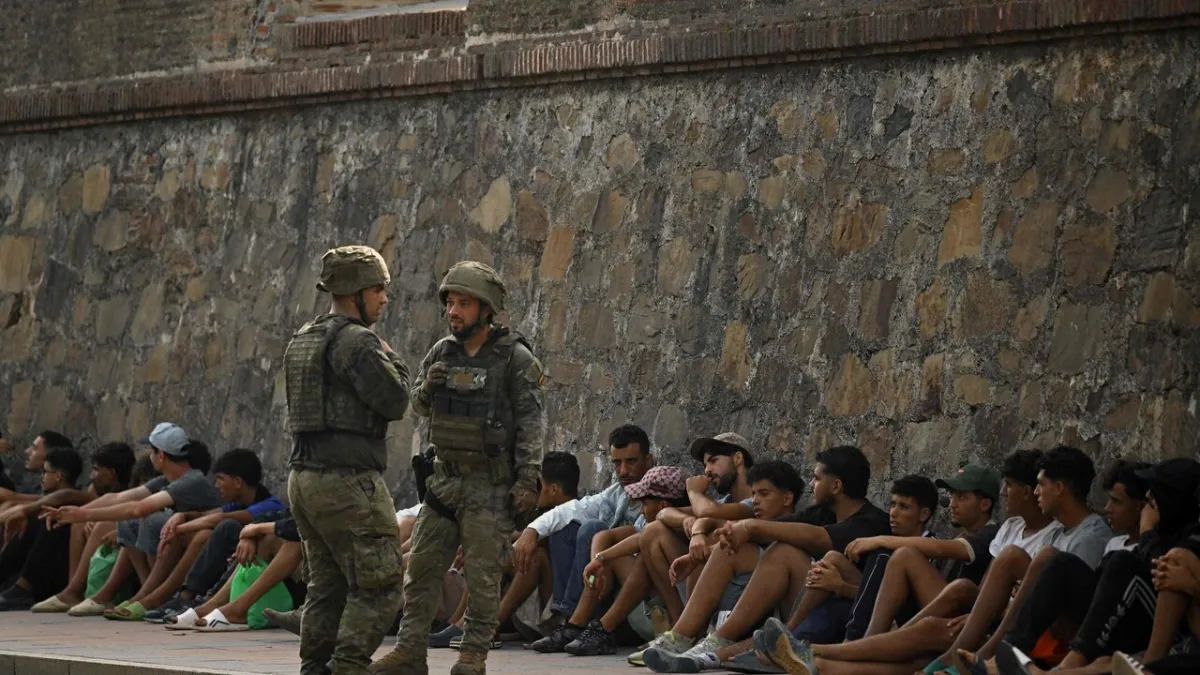
BRUSSELS — Political tensions in the European Union are escalating ahead of an emergency Summit initiated by Italian Prime Minister Giorgia Meloni, alongside 21 other member state leaders. The meeting, scheduled for this Tuesday in 2026, will address the migrant crisis in Ceuta, a Spanish exclave in North Africa, and has already sparked a fierce verbal clash with Spanish Prime Minister Pedro Sanchez.
Meloni's insistence on immediately holding the Summit reflects widespread concern among European nations regarding the surge of migrants entering the EU through Ceuta. This crisis is not merely a humanitarian issue but also tests the foundations of solidarity and common migration policies across the continent.
From Rome, diplomatic sources indicate that Meloni and her allies are pushing for a more robust, coordinated response. They emphasize the necessity of a comprehensive strategy, ranging from strengthening external borders to establishing fair migrant distribution mechanisms among member states.
However, this initiative was met with a strong reaction from Madrid. Spanish Prime Minister Pedro Sanchez sent a sharply worded letter to European leaders, asserting that the idea of “closing Schengen is an act of ignorance.” This statement clearly targets countries advocating for tightening or even temporarily suspending the Schengen Agreement as a solution to the migrant crisis.
Sanchez argues that migration is a complex global issue that cannot be resolved with simplistic approaches or by sacrificing fundamental EU principles like freedom of movement. He urges leaders to address the root causes and invest in sustainable, long-term solutions. This issue brings to mind previous tensions regarding similar problems, as highlighted in the article Schengen Threatened! Sanchez Accuses Europe of Ignoring Migrant Tragedy in Ceuta.
The crisis in Ceuta has reignited intense debate over the future of the Schengen area, which guarantees passport-free travel for European citizens. Several countries, including Italy and Austria, have repeatedly voiced concerns about the misuse of the system and its impact on their national security. Articles Europe Tightens Schengen Controls on Spain Amid Migrant Crisis and Italy Tightens Schengen Controls on Spain: Migrant Crisis Triggers Tension detail the tightening control measures already in place.
This emergency meeting is expected to achieve consensus, though prospects appear dim given the sharp differences in views. Political observers suggest that this division poses a serious challenge to European unity, especially amid current global uncertainties.
The 21 leaders supporting Meloni's initiative demonstrate a bloc of nations leaning towards a more restrictive approach to migration. They argue that without effective control at external borders, pressure on frontline countries will continue to increase, potentially threatening the internal stability of the European Union.
Conversely, Sanchez and some of his allies emphasize the importance of solidarity and a humanitarian approach. They remind that many migrants seeking protection are vulnerable individuals fleeing conflict and extreme poverty. The article Ceuta Crisis Shakes Spain: Media Admits Surprise, World Demands Solutions describes the international pressure on Spain.
This debate is not only about policy but also about the values underpinning the European project. Will the EU prioritize border security over humanitarian principles, or vice versa? These are crucial questions at stake in this emergency Summit.
The outcome of the Ceuta Summit on Tuesday will be highly determinative for the future direction of the European Union's migration policy. Success in reaching an agreement will signal Europe's solidity, while failure could deepen existing rifts among its members, as indicated by the article Meloni Urges Ceuta Summit: Europe Divided, Sanchez Furious Over Schengen.
Diplomats are now working hard behind the scenes to bridge differences before the official meeting. Hopes rest on the leaders' ability to find common ground that can harmonize security needs with the European Union's humanitarian commitments.
The future of freedom of movement and internal solidarity within the European Union, which are key pillars of European integration, now stands at a crossroads. Decisions made in Brussels will have long-term implications for millions of citizens and for the EU's position on the global stage.