 Demian Sahputra
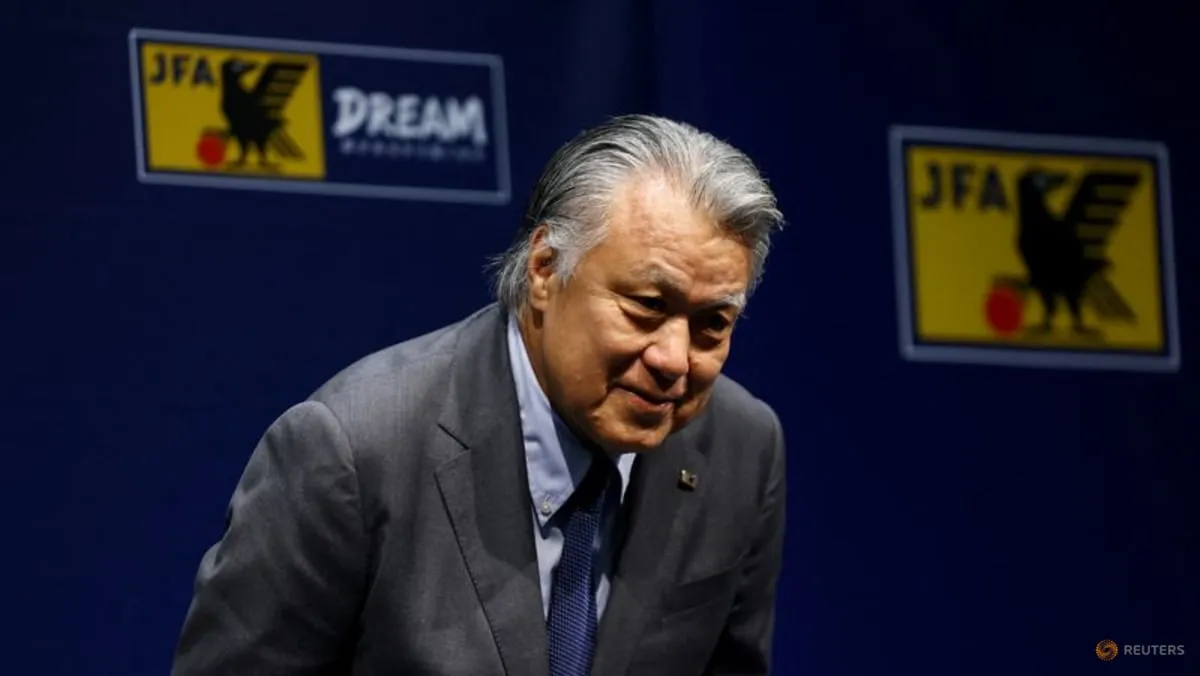
Jakarta – The controversial red card incident involving key player Folarin Balogun during a pivotal match at the 2026 World Cup has become the primary catalyst for veteran Japanese football official Kohzo Tashima to announce his candidacy for the Presidency of the Federation Internationale de Football Association (FIFA). This surprising decision, revealed from the headquarters of the Japan Football Association (JFA), sends ripples through the leadership landscape of the world's most popular sport. Tashima stated that the incident exposed fundamental weaknesses in the refereeing decision-making system and underscored the urgent need for radical reforms.
Tashima, who currently serves as the President of the JFA and a member of the FIFA Council, expressed his profound concern over what he termed a 'manifest injustice' suffered by Balogun, the Nigerian National Team forward, as his team competed in the group stage of the prestigious tournament. The referee, following a lengthy and contentious Video Assistant Referee (VAR) review, issued a direct red card to Balogun for an offense that many believed warranted only a yellow card.
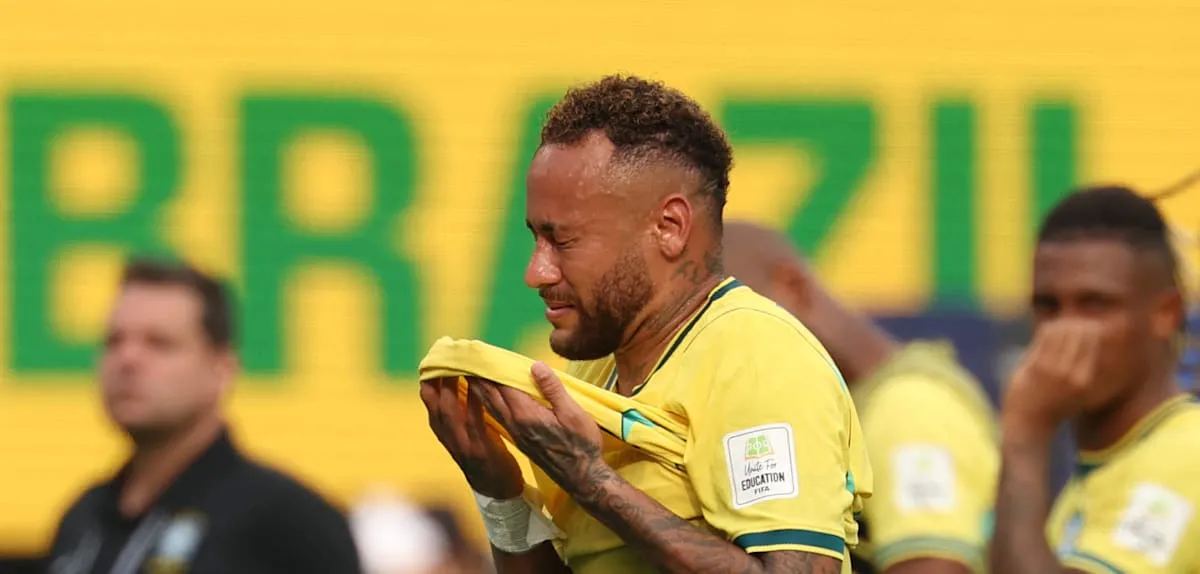
That moment was a boiling point for me, Tashima remarked during an online press conference broadcast from Tokyo. When I witnessed Folarin Balogun's tears and the disappointment of millions of fans, I realized that our system requires serious improvement. This is not merely about one match, but about the integrity of the sport we cherish.
Indeed, Balogun's red card incident triggered a wave of protests and heated debates across social media and among football pundits. The head referee's decision, subsequently confirmed by VAR, was widely perceived as biased and inconsistent with standards for similar fouls in other matches. Some observers even highlighted a lack of transparency within the VAR decision-making process itself.
For Tashima, the incident was not merely a technical error, but a reflection of a FIFA structure that is excessively centralized and lacks accountability. He views this as an opportunity to usher in long-awaited changes, promising decentralization of power and an enhanced role for member associations in global football governance.
We cannot allow a single referee's decision, which may well be erroneous, to shatter the dreams of thousands of athletes and billions of fans, Tashima asserted. My vision for FIFA is an organization that is more transparent, equitable, and responsive to the needs of all stakeholders, from players on the pitch to supporters in the stands.
Tashima's campaign platform highlights several key points:
- Comprehensive VAR Reform: Establishing clearer and more transparent protocols for VAR usage, including better communication between referees and VAR officials.
- Enhanced Referee Accountability: Introducing a more stringent and independent referee evaluation system, along with fair appeal mechanisms for controversial decisions.
- Decentralization of Decision-Making: Granting more voice to regional confederations and member associations in FIFA policy, reducing the concentration of power at a single center.
- Focus on Grassroots Development: Allocating more resources to football development at local and regional levels, particularly in developing nations.
Tashima's announcement was met with mixed reactions. Several Asian and African football federations voiced initial support, viewing him as a candidate representing their interests on the global stage. However, some parties close to the current FIFA leadership regarded this candidacy as an unnecessary challenge potentially disrupting stability.
Initial analysis suggests Tashima faces an uphill battle against incumbents or candidates backed by European football powerhouses. Nevertheless, his track record as a competent administrator and his integrity as a football leader in Asia provide strong momentum for a credible campaign.
The race for the top seat at FIFA is predicted to be one of the most fiercely contested in history. The Balogun red card incident might just be the tip of the iceberg of broader dissatisfaction within the global football community, and Tashima appears ready to capitalize on this momentum to make history.
Editorial Insight: Kohzo Tashima's candidacy, spurred by a controversial World Cup incident, highlights FIFA's vulnerability to perceptions of injustice and the imperative for governance reform. This is not merely an individual's challenge but a philosophical battle between the status quo and the demand for greater transparency and accountability. Should Tashima succeed in building a strong coalition, regardless of the election's outcome, his campaign could compel FIFA to seriously consider fundamental changes in its management of global football, particularly concerning technology and referee decision-making.