 Edward DP Situmorang
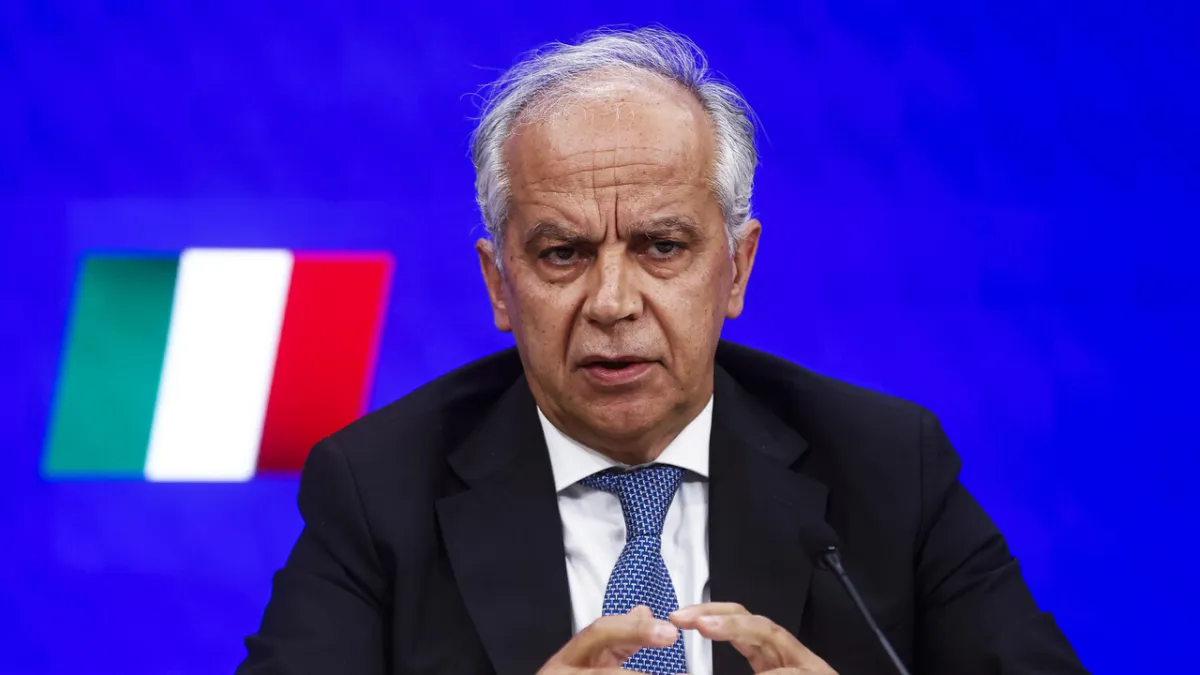
ROME – Italian Interior Minister, Matteo Piantedosi, has summoned the National Public Security Committee for an emergency meeting next Tuesday. The main agenda for discussion is a thorough evaluation of the increasingly complex cyber threat, which has the potential to disrupt the stability of the nation's vital infrastructure. This meeting will take place at the Ministry of Interior headquarters, the Viminale, marking a serious governmental response to the escalation of digital risks.
This step follows a rise in the intensity of global cyberattacks, which not only target private entities but also government institutions and essential public services. Cybersecurity has become a top priority for many countries, including Italy, which recognizes vulnerabilities within its digital ecosystem.
The Public Security Committee, comprising security experts, intelligence officials, and high-ranking state officers, will analyze the latest attack trends. They will also formulate more robust prevention and response strategies. This includes enhanced inter-agency coordination and potential investments in cutting-edge cyber defense technologies.
Italy, with an economy heavily reliant on digital technology, presents an attractive target for malicious cyber actors. Previous incidents, such as attacks on banking systems or energy networks, have demonstrated the critical importance of national preparedness. The government aims to ensure that all sectors, from finance to healthcare, are protected from digital infiltration.
The meeting at the Viminale will also focus on assessing the potential impact of cyberattacks on critical infrastructure, such as power grids, transportation, and telecommunications. The continuity of these services is vital for citizens' daily lives and national economic stability.
In a global context, cyber threats have evolved into a new dimension of geopolitical conflict. Major nations are vying to enhance their cyber capabilities, both for defense and offense. This situation demands that Italy be not only reactive but also proactive in safeguarding its digital sovereignty.
Minister Piantedosi has previously affirmed the government's commitment to strengthening national cyber defense. We cannot afford to be complacent for a moment. This threat is real and constantly evolving. Protecting citizens and strategic assets is an absolute priority, he stated in a press release some time ago. This statement underscores the urgency of the current meeting.
The Public Security Committee meeting is expected to produce concrete recommendations for strengthening the legislative framework related to cybersecurity. Furthermore, public education efforts regarding digital threats and safe internet practices will also form part of the comprehensive strategy. The public needs to be more aware of the risks of phishing, malware, and other types of attacks.
Global cyber incidents in 2026 also provide relevant background. For instance, reports on AI OpenAI Reveals Fatal Linux Vulnerability in Vital Infrastructure 2026 or news concerning Mass Protests Rock Amsterdam: Microsoft Data Center Ransacked, Hundreds Arrested illustrate how vulnerable modern systems are to disruption, both intentional and unintentional. Italy must learn from these experiences.
The Italian government faces a dual challenge: protecting itself from external attacks and building internal cyber resilience. Establishing responsive policies and investing in digital talent are key. This Tuesday's meeting at the Viminale is expected to be a significant milestone in these efforts, ensuring Italy is better prepared to face the digital threat landscape in 2026 and beyond.
Editorial Insight: This emergency meeting of the Public Security Committee in Italy highlights the seriousness with which the government views cyber threats. Minister Piantedosi's decision to act swiftly reflects an awareness of the significant disruption potential caused by digital attacks, not only to IT systems but also to public trust and national stability. The measures likely to be taken involve strengthening regulations, enhancing technical capabilities, and fostering international collaboration. The success of these efforts will be a benchmark for Italy's ability to adapt in the era of global cyber warfare.