 Angel Doris
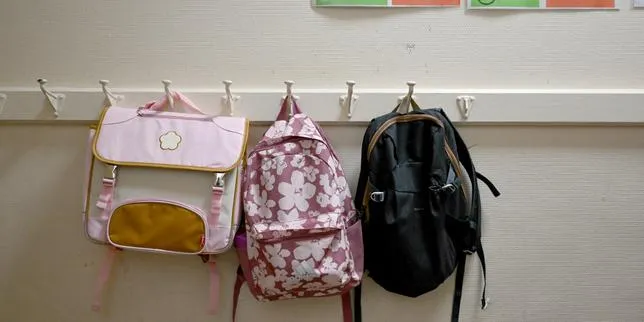
PARIS – A new decree published by the French government last Wednesday in the Official Journal has triggered a wave of controversy in the education sector. This regulation grants full authority to the academic director to transfer a student from their school if a parent's behavior is deemed to disrupt order or even threaten the safety of school staff members. This surprising decision immediately drew strong condemnation from various teachers unions and student parent representatives, who labeled it an unacceptable practice.
This drastic measure comes in response to recent incidents involving student parents, which are claimed to have created an unconducive and even dangerous learning environment. The government argues that this decree is an effort to reassert the authority of educational institutions and protect teachers and school personnel from serious disturbances.
According to the decree's content, the academic director now has the discretion to instruct the reallocation of a student to another educational institution if the behavior of one or both parents seriously threatens the physical or psychological safety of staff members, both teachers and administration. This transfer process will go through a series of evaluations, although clear boundaries regarding the criteria for serious disruption remain a question.
National teachers unions, through their spokesperson, expressed deep concern. They consider this policy a form of unfair collective punishment for students, who are not inherently responsible for their parents actions. This is an unacceptable practice and potentially violates a child's fundamental right to education in a stable environment, a union representative stated during a press conference in Paris.
In line with the teachers unions, the National Federation of Student Parents also voiced their rejection. They fear that this rule will be misused and create uncertainty for thousands of families. Instead of solving the root cause, this policy shifts the burden and stigma to innocent children. We call for a more constructive dialogue, said the federation's spokesperson.
The French government, through the Ministry of National Education, insists that this policy is essential to maintain the dignity and integrity of educational institutions. The Minister of Education emphasized that the school environment must be a safe and conducive place for all parties, and firm action is necessary if there are serious threats from outside the core academic environment.
This debate not only highlights the issue of school safety but also raises complex questions regarding the limits of parental responsibility and the autonomy of educational institutions. How should schools balance a student's right to learn with the staff's need to work in a safe environment?
Some parties argue that this decree is an overly reactive response and fails to consider the psychological impact on transferred students. Moreover, the adaptation process in a new school is often challenging, especially for children who are emotionally or academically vulnerable.
In a broader context, this policy contrasts with other ongoing efforts to improve education quality and inclusivity. For instance, in some regions, programs like education breakthroughs 2026 are focusing on creating a learning environment that supports every individual, without exception. There are concerns that this decree could undermine that spirit.
Public policy observers highlight the importance of transparent and fair appeal mechanisms for parents who feel aggrieved by this decision. Without adequate oversight, the risk of abuse of power or disproportionate decisions will be high.
Moving forward, the implementation of this decree will be a major focus, especially concerning how the criteria for serious disruption will be interpreted and applied in practice. The fate of thousands of students and the relationship between parents and schools now stands at a crossroads, awaiting clarity and justice.
Editorial Insight:
This decree issued by the French government, while aiming to protect school staff, potentially sets a dangerous precedent. Transferring students due to parental behavior can be seen as a form of indirect punishment that undermines the principle of a child's right to education. In-depth evaluation and multi-stakeholder dialogue are needed to ensure this policy does not harm students, while simultaneously maintaining a safe and productive school environment. Prudent implementation with strong corrective mechanisms is key.