 Robert Andrison
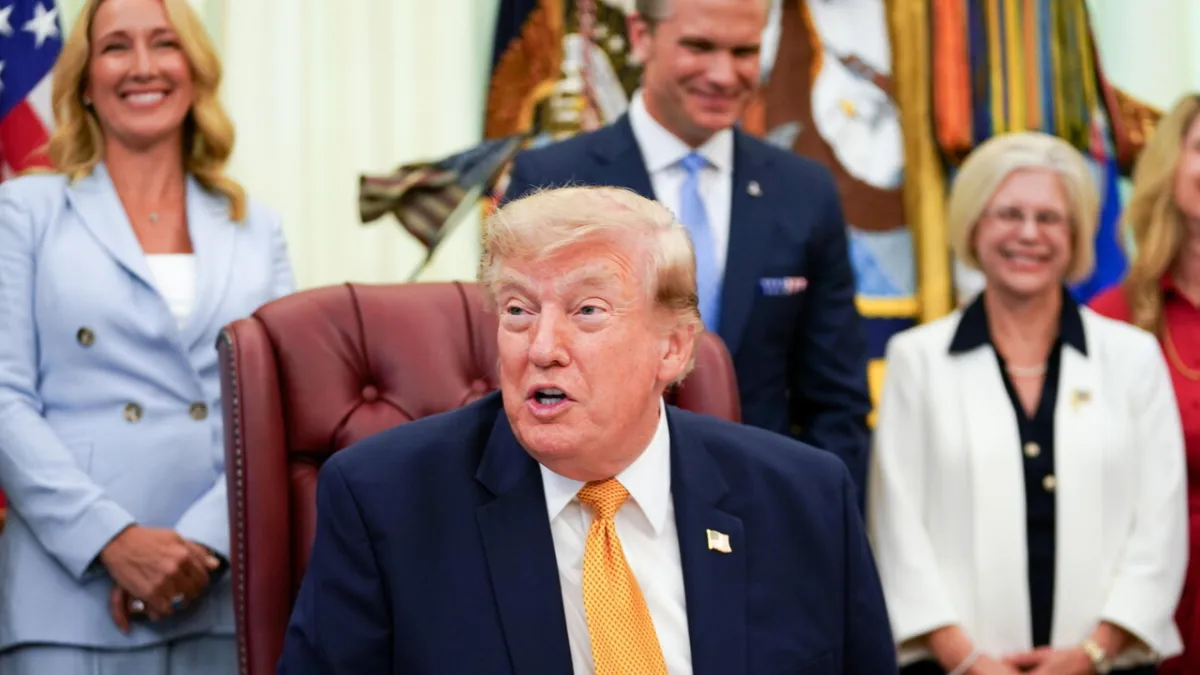
TEHRAN — The Iranian government, through its Ministry of Foreign Affairs, on Tuesday (January 21, 2026), vehemently denied statements made by the President of the United States claiming new talks and a nearly concluded deal regarding the situation in the Strait of Hormuz. This strong denial from Tehran dashed Washington's optimism about the prospects for peaceful negotiations amid ongoing geopolitical tensions in the crucial region.
The statement that fueled speculation was previously made by the US President on Monday (January 20, 2026), indicating that negotiations with Iran would resume today and a strategic agreement on the Strait of Hormuz was on the verge of realization. The claim quickly spread and briefly raised hopes for de-escalation in one of the world's most vital shipping lanes.
However, these hopes evaporated when the spokesperson for Iran's Ministry of Foreign Affairs publicly dismissed any form of secret talks or substantial progress as implied by Washington. “There are no planned or ongoing bilateral dialogues between the Islamic Republic of Iran and the United States on any matter, including the Strait of Hormuz,” he asserted unequivocally.
This incident adds to a long list of complex dynamic relations between the two major powers. For years, Iran and the United States have frequently engaged in diplomatic disputes and military tensions, particularly around the Strait of Hormuz, a strategic waterway crucial for global oil supplies.
The Strait of Hormuz, which connects the Persian Gulf to the Arabian Sea, serves as a vital choke point through which approximately one-third of the world’s seaborne crude oil supply passes. Control over this strait is a sensitive issue, often triggering global concerns regarding energy price stability and maritime security.
Geopolitical analysts believe that this narrative discrepancy between Tehran and Washington reflects a deep-seated trust deficit. Unilateral claims by the US, subsequently flatly denied by Iran, could exacerbate future diplomatic efforts and complicate the search for peaceful solutions.
Furthermore, this development has the potential to significantly impact regional stability. Gulf nations, close allies of the United States, are urging Washington to take more concrete and transparent diplomatic steps. Related articles have previously highlighted these calls, indicating that the issue of transparency is a critical key.
On the other hand, the international public is closely observing every diplomatic maneuver from both sides. The failure to reach an understanding, even at this basic communication level, raises significant questions about the effectiveness of potential backchannel efforts.
Since the United States' withdrawal from the Iran nuclear deal in 2018 and the imposition of stricter economic sanctions, bilateral relations between the two countries have continued to deteriorate. This incident, occurring in 2026, reaffirms that fractured trust remains a major impediment.
The Iranian government, through its official statements, consistently emphasizes its sovereignty and right to determine foreign policy without external interference. This denial can be interpreted as an attempt to reassert that position before both domestic and international publics.
Nevertheless, some argue that such strong rhetoric is sometimes also part of a negotiation strategy. The possibility of indirect contacts or mediation efforts by third countries remains open, even if both sides demonstrate rigid stances publicly.
Now, global attention is focused on Washington's next steps. Will the US President provide further clarification, or will this contradiction be left hanging, potentially escalating tensions in the already volatile Strait of Hormuz?