 Demian Sahputra
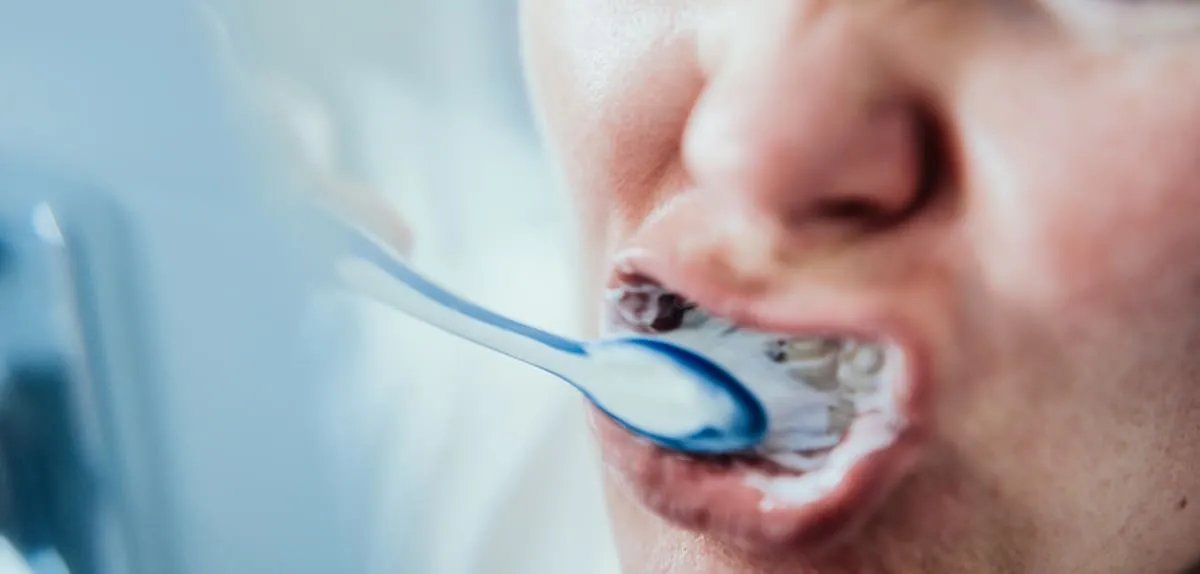
BERLIN – Scientists from various research institutions in Central Europe are developing a revolutionary innovation in dental health. A micro-sized mouth-held device, designed as an advanced high-pressure cleaner, is expected to eliminate the need for conventional toothbrushes. This cutting-edge technology promises far more thorough teeth cleaning than current methods.
This development is a response to the ongoing challenges in maintaining optimal oral hygiene for the general population. While modern electric toothbrushes have offered improvements, they often leave hard-to-reach areas or spots that are not perfectly clean. This is the gap that the researchers' latest innovation seeks to fill.
The core concept of this device centers on an ergonomic mouthpiece that automatically cleans all tooth surfaces. Its mechanism involves advanced technology capable of reaching every crevice and corner within the oral cavity. This represents a significant leap forward compared to traditional toothbrushes, dental floss, or interdental picks.
Specific details of the technology used are still under confidential development, but initial indications suggest a combination of ultrasonic waves and extremely fine, pressurized liquid jets. This combination aims to effectively dislodge plaque and food debris without damaging tooth enamel or gum tissue.
Scientists claim that this device will not only be more time-efficient but also more precise in cleaning. Users simply need to place the mouthpiece in their mouth and let the technology work. This has the potential to transform daily oral hygiene routines as they are currently known.
'We envision a future where dental care becomes easier, faster, and most importantly, far more effective,' stated a senior researcher who wished to remain anonymous, citing early research reports. 'Our goal is to create an accessible solution for everyone, from children to the elderly, ensuring superior oral hygiene every day.'
The social impact of this innovation is expected to be widespread. Public dental health levels could improve dramatically, reducing the prevalence of cavities, gum disease, and other oral problems that often require expensive medical treatment. This could also alleviate the burden on public healthcare systems.
This ambitious project still requires a series of clinical trials and further validation before it is ready for global market launch. However, enthusiasm within the medical and technology communities is already palpable. Dental health experts hope this finding can make a real contribution to improving human quality of life.
The commercial potential of this device is also immense. If proven effective and safe, this product could become a new standard in the oral care industry, challenging the dominance of established toothbrush and toothpaste manufacturers that have been around for decades. Investment in such research and development is seen as strategic.
This revolution marks a paradigm shift from manual mechanical efforts to smart technology-based solutions in maintaining oral hygiene. The public can anticipate a new era where maintaining dental health is no longer a tedious task but an efficient and effective automatic process.
Editorial Insight:
The development of this high-tech automatic tooth cleaner promises a quantum leap in global dental health. If successfully implemented on a mass scale, this device will not only simplify oral hygiene routines but also potentially reduce long-term dental care costs for individuals and healthcare systems. The main challenges lie in validating its safety, long-term effectiveness, and affordability to ensure this innovation truly provides universal benefits.