 Gabriella
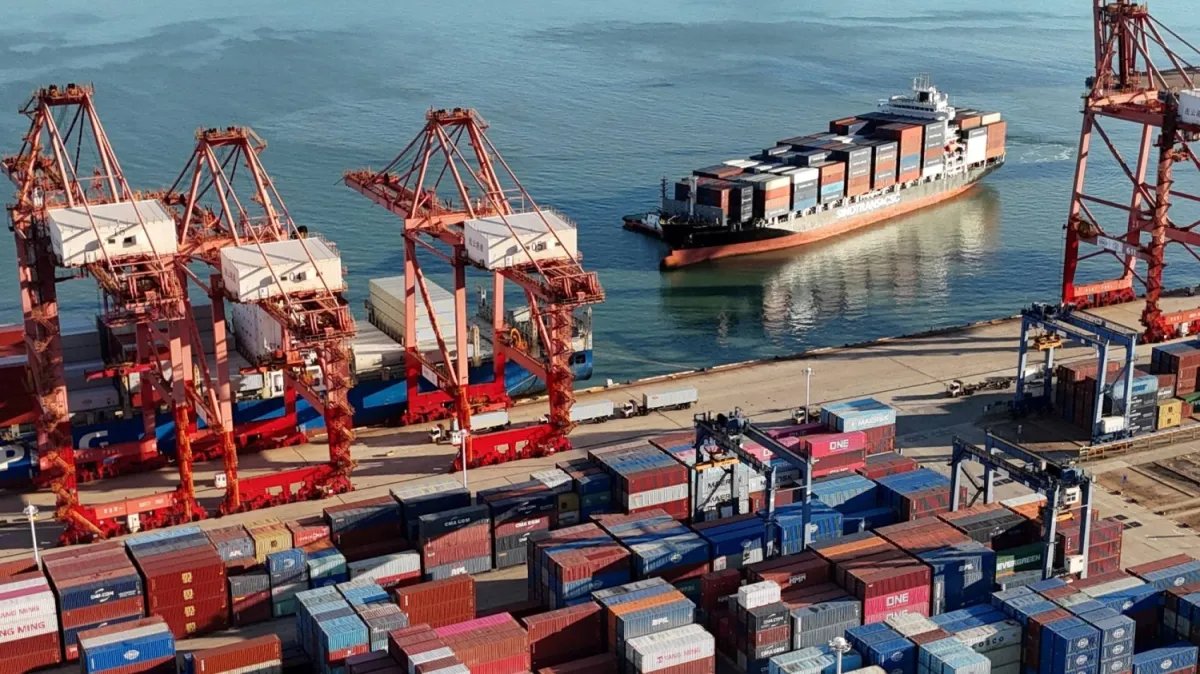
BEIJING – The year 2026 marks a momentous occasion for China as its trade surplus surged past an astonishing 1 trillion US dollars. This monumental achievement is inextricably linked to the pivotal role of the artificial intelligence (AI) industry, which has significantly propelled export performance globally, serving as a crucial pillar for the economy of the Middle Kingdom.
Recent data from China's Ministry of Commerce indicates an exponential growth trend in the export of AI-based products, ranging from advanced semiconductor components to hardware for data centers. This signifies a strategic shift in China's economic focus towards innovative high-tech sectors.
This phenomenon underscores Beijing's increasing reliance on overseas market demand as a vital strategy to maintain economic stability, particularly as domestic consumption remains subdued and the property sector continues its slow recovery from past turbulences.
Economic analysts observe that China's success in capitalizing on the global AI boom has created new opportunities. Despite geopolitical challenges and market fluctuations, global demand for intelligent technologies remains high, providing a substantial boost to Chinese manufacturing and exports.
The Chinese government, under President Xi Jinping's leadership, has long prioritized AI technology development as a national strategic pillar. Massive investments in research and development, coupled with incentives for technology companies, are now yielding concrete results in terms of export dominance.
However, beneath these impressive surplus figures, internal challenges persist. Stagnant household consumption and the ongoing property sector crisis remain serious domestic issues for the government. Export-driven growth could potentially create imbalances if not complemented by strengthening public purchasing power.
Reliance on export markets also carries inherent risks, especially when navigating global trade dynamics frequently marked by geopolitical tensions. Trade negotiations with nations such as the United States under President Donald Trump and the European Union continue to be closely watched.
Nevertheless, AI's role as an export engine demonstrates the Chinese economy's resilience in adapting to a changing global landscape. The AI industry encompasses not only hardware exports but also increasingly sought-after software solutions and cloud computing services.
Several reports highlight how Chinese innovations in AI security and AI applications for cross-language communication have also contributed to the sector's growth.
The Chinese government continues its efforts to strengthen its position as a global leader in technology, aiming to reduce reliance on traditional economic growth models. A focus on innovation and high value-added exports is a key long-term strategic imperative.
Editorial Insight: China's AI-backed trade surplus surge is indeed impressive, yet paradoxical. It showcases Beijing's technological adaptation and innovation prowess, but simultaneously exposes the fragility of its domestic demand. The balance between boosting technology-driven exports and revitalizing internal consumption will be the primary barometer of China's future economic stability, particularly amidst dynamic global technological competition and issues such as tensions with Taiwan.